
Last updated November 21, 2026
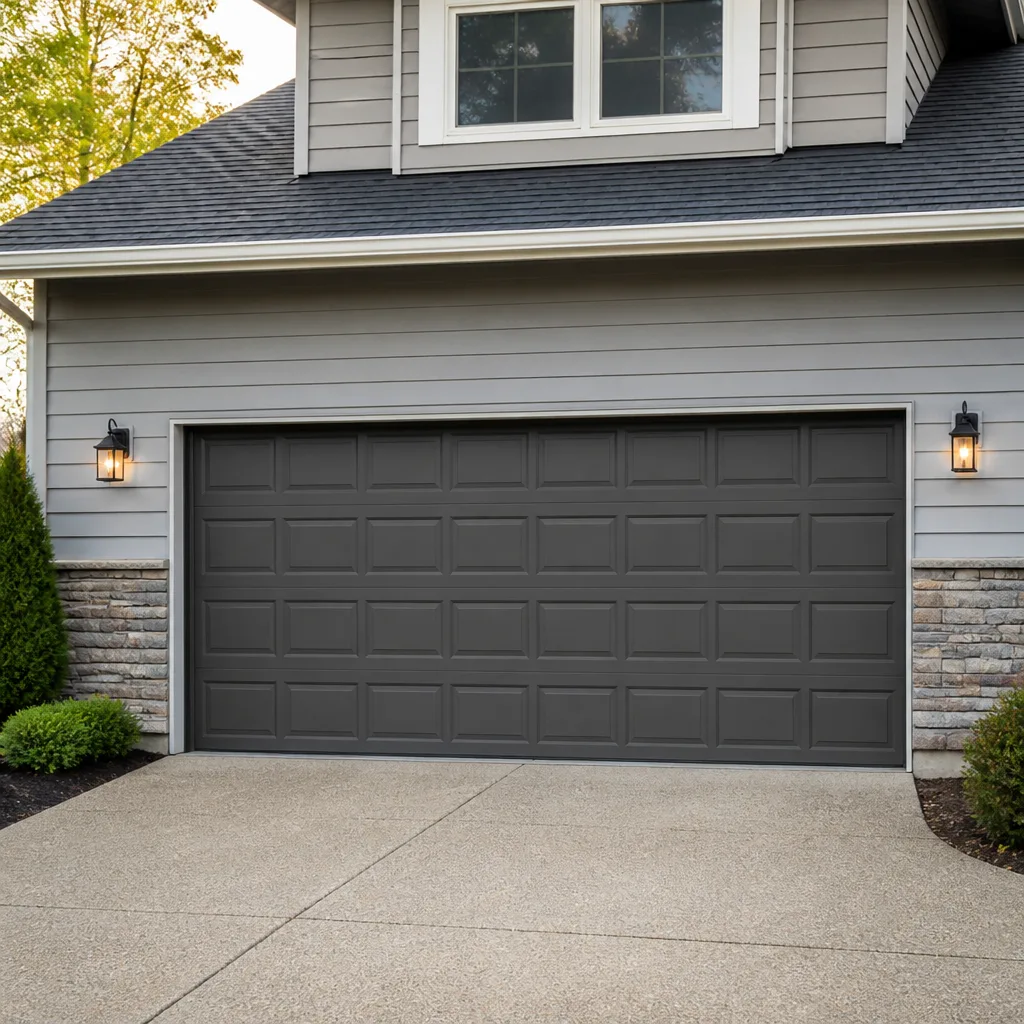 Raised-panel steel
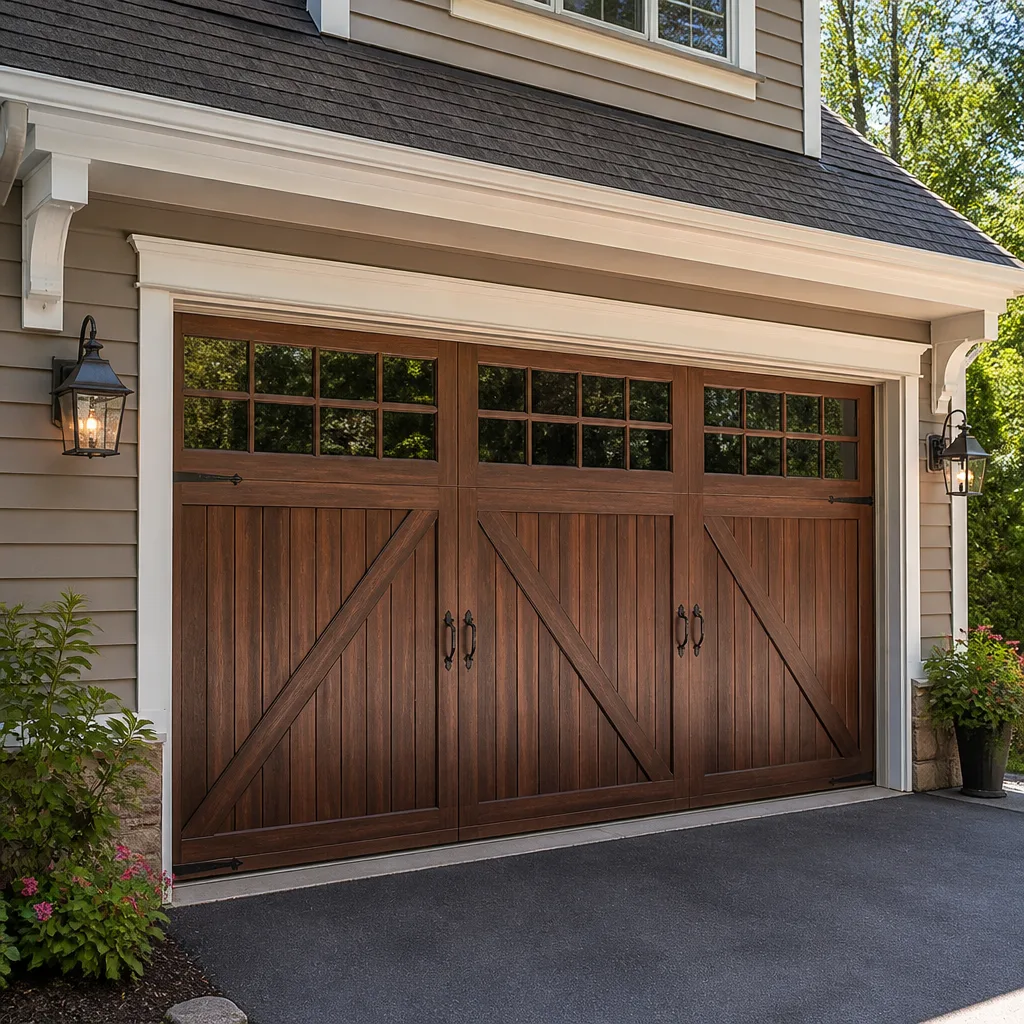 Carriage house
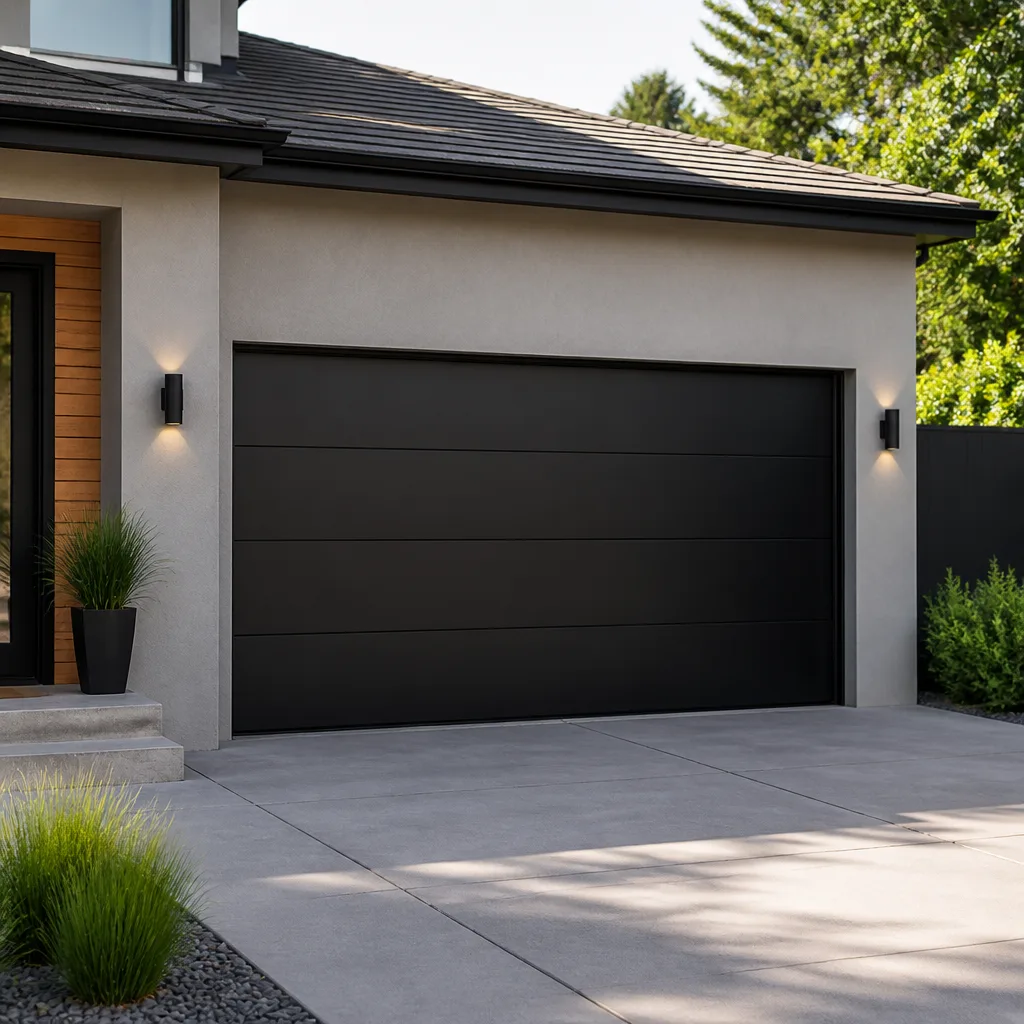 Modern flush
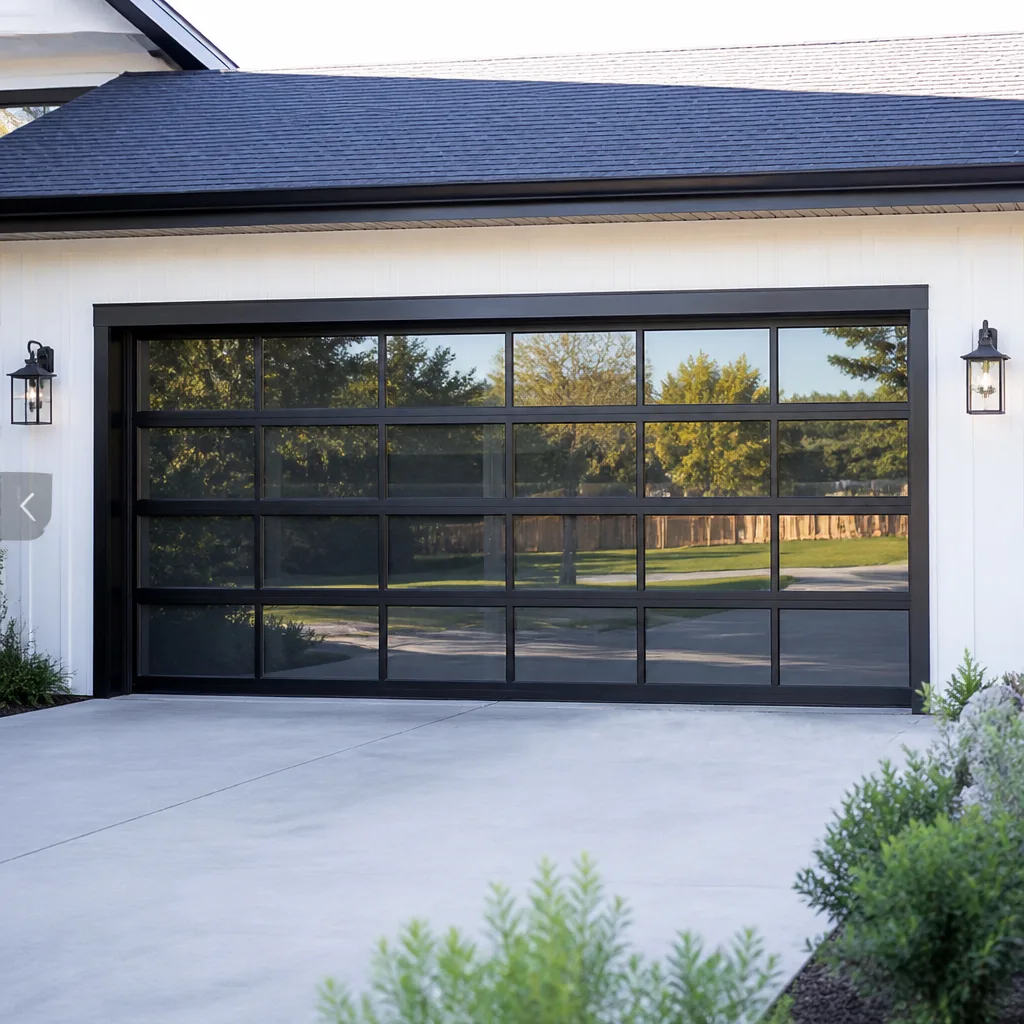 Full-view glass
 LiftMaster openers
 Chamberlain openers
Full 25-point door and opener safety check with every visit - springs, cables, rollers, tracks, and your LiftMaster or Chamberlain opener included
You get a price before we start. It does not change when the pro arrives.
Get your free estimateGarage Door Warning Signs: A Georgetown Homeowner’s Reference Guide
A garage door that hesitates for half a second before closing isn’t being slow. It’s telling you the spring tension is off and the opener is compensating. That’s a repair, not a quirk. Most garage door failures don’t arrive without warning; they announce themselves days or weeks ahead through sounds, movements, and small visual cues that any Georgetown homeowner can learn to read without touching a wrench. This guide is a symptom index for exactly that: what each noise points to, which visual signs matter on older Georgetown homes, how to tell a safe-to-use door from one you should disconnect until a technician arrives, and which warnings are genuine same-day emergencies versus a scheduled appointment.
Quick Answer
Grinding, popping, or scraping sounds, a door that jerks or reverses on its own, frayed cables, and gaps in the spring or cable hardware are all warning signs of a garage door problem that will usually get worse, not better. One warning sign is a same-day emergency: a broken torsion spring or a snapped cable, where the door should be disconnected and left closed until a trained technician handles it. Most other early symptoms can wait for a scheduled appointment, but they shouldn’t wait too long.
Styles & brands we work with
- Raised-panel steel
- Carriage house
- Modern flush
- Full-view glass
- LiftMaster openers
- Chamberlain openers
Table of Contents
- What Each Garage Door Sound Is Telling You
- Visual Warning Signs on Georgetown’s Older Homes
- Is It Safe to Keep Using Your Door?
- Opener Problems vs. Mechanical Hardware Problems
- Which Warning Signs Are Same-Day Emergencies
- The Monthly Five-Minute Garage Door Check
- Why Brand Fluency Matters in Georgetown
- What Warning-Sign Repairs Typically Cost in Georgetown
What Each Garage Door Sound Is Telling You
Sound is the first alarm a garage door usually sets off. It’s also the cue most homeowners dismiss, because a garage door has always made some noise. The trick is knowing which noises are normal operating sound and which are a component asking for attention. In our experience, once you can match a sound to a component, the guesswork disappears.
Grinding or groaning
A grinding or groaning noise usually points to dry, worn, or misaligned rollers and hinges, or to a torsion spring under strain. It often intensifies over a few weeks before anything fails. Ignoring it wears the opener and the rollers faster.
Popping or a loud bang
A sharp pop or bang is the classic sound of a torsion spring failing or a cable letting go. If you hear it and the door won’t lift or hangs unevenly, treat it as a broken spring or cable and stop using the door.
Scraping or rubbing
Scraping generally points to track alignment problems, a bent track, or a panel rubbing against the frame. On Georgetown’s older homes, shifting frames and settling foundations make this one common. It rarely fixes itself and it can wear through cables if left alone.
Rattling or clanking
Loose bolts and brackets, worn roller bearings, and a door that has drifted slightly out of square all produce rattling. It’s the most benign of the sounds, but it’s also the cheapest to address early.
Buzzing but nothing moving
If the opener hums and nothing happens, the motor is fine but the drive is stuck, the gears are stripped, or the safety circuit is holding the door shut. That’s a motor or a logic issue, not a hardware problem, and the fix is different. Our garage door opener repair service is built around exactly this kind of diagnosis.
Visual Warning Signs on Georgetown’s Older Homes
Not every warning makes a sound. A good part of what’s worth checking is purely visual and takes under five minutes. Because Georgetown’s hilly blocks and older housing stock put real load on a door over time, visual checks are where you catch problems before they become prices.
- Rust patterns. Light surface rust on a track is cosmetic. Rust that has spread to bolts, hinges, and the spring and left a gritty residue is a sign of wear and a wear problem that’s accelerating. It can also disguise a frayed cable.
- Frayed or kinked cables. Look at the cables that run down each side of the door. Straight and smooth is fine. A cable with broken strands, a kink, or slack where there shouldn’t be any needs professional attention and shouldn’t be touched directly.
- Panel gaps and misalignment. A door that sits crooked in the frame, has visible gaps between panels, or is closer to one side than the other is telling you the tracks, cables, or spring tension are out of balance.
- Spots on the floor. A small oil mark under the opener or along the track can point to a worn component or a dirty roller, worth noting but not an emergency.
- Daylight through the frame. Daylight at the bottom or sides can mean a seal or weatherstrip issue, and on older Georgetown homes it can also point to a door that no longer sits square. A door that sits square seals better.
- Sagging springs or slack cables. A spring whose coils look uneven or stretched, or a cable that has slipped off its drum, is a stop-using-the-door signal, not a maintenance note.
Georgetown’s climate runs warm and humid in summer, cool and damp in winter. Fluctuations of that kind expand and contract wood frames, door panels, and hardware over the year, which is why track alignment and seal problems tend to show up seasonally here rather than only on heavily used doors. A door that binds through a June summer and frees up in November isn’t fixed. It’s just moving between two alignment problems.
Is It Safe to Keep Using Your Door?
Most early warning signs leave the door safe to use while you arrange a visit. A few don’t. Use your hands and your eyes, not the opener, to check before you decide.
Safe to keep using (call to schedule)
- Loud grinding, rattling, or scraping on a door that still opens and closes smoothly
- Light surface rust on the tracks
- A slow-moving door that still reverses cleanly when it meets an obstacle
- Buzzing opener with the door visibly under control
Disconnected and closed until a technician arrives
- A broken torsion spring or extension spring. This is the one to take seriously. If you suspect a spring has failed, don’t run the opener again and don’t attempt to lift the door yourself.
- A snapped, frayed, or off-drum cable. A cable under tension can cause serious injury if anyone tries to handle it.
- A door that won’t close or reverses on its own after repeated tries. Leave it disconnected and secured from the inside until it can be looked at.
The signal to watch most carefully is a door that stays up on its own when it shouldn’t. On a properly balanced torsion system, the door should hold its position about halfway open. If it drops immediately or flies up when you try, the spring tension isn’t right, and the door shouldn’t be run until that’s settled. Disconnecting a garage door opener gently is safe for most homeowners. Touching the springs or cables is not: they’re under extreme tension, and we treat spring repair as a dedicated specialty for the simple reason that it’s one of the most dangerous DIY repairs a homeowner can attempt.
Opener Problems vs. Mechanical Hardware Problems
Half of a good diagnosis is knowing which of two separate systems is complaining. The opener is the motor and electronics. The hardware is the door itself: springs, cables, tracks, rollers, and hinges. They fail differently and they’re fixed differently, and a homeowner who can tell them apart will describe their problem clearly, which shortens the diagnosis and helps avoid surprises on the invoice.
Signs the opener is the problem
- The motor runs (you hear it) but the door doesn’t move
- The door moves a few inches and then stops dead
- Remote and wall switch stop working together
- A newer smart opener such as a Chamberlain or a Genie with an app connection drops offline or shows repeated error codes
- The door opens partway then takes itself back down
Opener problems are electronics, gear drive, and sensor logic. On a legacy Craftsman opener in a Georgetown home of a certain vintage, it might be a gear set; on a modern LiftMaster myQ system it might be a connectivity or sensor issue. Both are genuinely repair jobs.
Signs the hardware is the problem
- The door opens by hand but is extremely heavy (spring tension)
- It sits crooked or closes at an angle
- It rattles or scrapes every time
- A snapped or slack cable is visible
- The door jumps or jerks at a specific point in its travel
Mechanical hardware problems are track alignment, spring tension, cables, and balance. If you call an opener technician for a hardware problem, you get a diagnosis you didn’t need. If you leave a spring problem alone because the opener seems fine, you get a broken spring. Knowing which system is which is the difference between a quick fix and a visit that turns into garage door repair on a heavier scale.
Which Warning Signs Are Same-Day Emergencies
Not every warning sign deserves a same-day call. Overreacting wastes money and under-reacting risks injury or a more expensive repair. Here’s a straightforward split, based on which signs we actually treat as urgent.
Same-day emergency
- A loud pop followed by a door that won’t lift, or a clearly broken spring
- A snapped, slack, or badly frayed cable
- A door stuck open on a home or a small-business property, leaving the building unsecured
- A car trapped inside
- An opener that has failed completely on a door that’s the only vehicle access to the home
These are the ones where a failed spring or an offline opener catches you at the worst moment: the car is stuck, the building is unsecured, or the door is jammed in a position you can’t leave it in. Our emergency garage door service exists for exactly that set of situations, and spring repair is handled as its own specialty because it is a safety-critical repair. If you’re unsure whether your situation qualifies, call us and describe what you see.
Can wait for a scheduled appointment
- Grinding or rattling on a functional door
- A slow opener that still operates
- Intermittent remote or app control issues
- A weather seal that’s worn or letting in light
- Cosmetic rust or a squeak that’s been slowly worsening
Booking a scheduled visit for these is both cheaper and more practical. What you don’t want is to leave them for months. A noisy roller can wear a cable, and a small alignment problem can wear out a door panel.
The Monthly Five-Minute Garage Door Check
Most of the warning signs in this guide are easier to catch early than to repair after the fact. A once-a-month walkthrough with your eyes and ears, plus a quick manual balance check, catches nearly all of them. It takes about five minutes.
- Listen. Run the door and stand under the ceiling. Note any new grind, pop, scrape, or rattle that wasn’t there a month ago.
- Look at the cables. Check both sides for fraying, kinks, or slack. Don’t touch them.
- Look at the springs. Visually check for gaps, uneven coils, or rust where there shouldn’t be. Don’t touch them.
- Check the balance. Disconnect the opener (use the release cord), lift the door halfway by hand, and let go. It should hold position with minimal effort. If it drops or is very heavy, the spring tension is wrong.
- Check the seal. Close the door and look for daylight at the bottom and sides. A worn seal is a simple fix now and a draft or water problem later.
- Test the safety reversal. Place a small object in the door’s path and let the door close on it. It should reverse immediately. If not, don’t use the door until that’s fixed.
This checklist won’t replace a professional inspection, but it will tell you whether your door has a wait issue or a call-today issue, and that’s the decision most homeowners actually need help with. If any step makes you unsure, stop and let a technician look. Call (877) 676-2031. We answer 24/7. Fast dispatch from 7am to 7pm, Sunday through Friday.
Why Brand Fluency Matters in Georgetown
Warning signs are only half the picture. The other half is what the technician can actually do with what they find. A grinding door on a LiftMaster opener and a grinding door on a Craftsman opener may end with the same diagnosis but different parts and different fixes. In a neighborhood where houses were built across many decades, the mix on a single block can be surprising: a Clopay door on a newer renovation, an older Amarr panel set, a Wayne Dalton iDrive in the back, and a Raynor from an era nobody remembers exactly.
That’s why we work on 8 of the most widely installed garage door and opener brands in the country: LiftMaster, Chamberlain, Genie, Clopay, Amarr, Wayne Dalton, Craftsman, and Raynor. It means no dead ends when the door you have doesn’t match the brochure, and no “we don’t work on that brand” conversation when a warning sign turns out to be on a legacy system. We handle both traditional openers and the newer smart-home-connected versions such as LiftMaster myQ, Chamberlain, and Genie Aladdin Connect, because Georgetown’s housing mix includes plenty of both. When a warning sign does turn into a replacement need, the same team handles garage door installation, so the relationship doesn’t end at repair and the door you end up with matches the door you have.
What Warning-Sign Repairs Typically Cost in Georgetown
Pricing across Georgetown’s market runs in the ranges below for the repair types most warning signs eventually lead to. These are typical estimated ranges, not a final price. The written estimate you get before any work starts sets the actual price.
- Routine service on a noisy or misaligned door: usually a small job, in the $100-$200 range
- Single spring replacement: typically $180-$340. Matched pairs are usually replaced together, so a pair runs closer to double that.
- Cable replacement: typically $150-$300
- Rollers and hinge refresh: typically $120-$250
- Opener repair: typically $150-$350, depending on the component
- Track realignment: typically $150-$300
The range exists because the same warning sign can sit on two different doors: a two-car Clopay panel set and a single-car Craftsman in an older home won’t need the same work. We don’t quote from a range on site, though. The price is quoted and agreed before any work starts, so you’ll know what the invoice will say before anyone touches the door. Repairs below the emergency threshold are rarely worth putting off, because a small alignment problem or a worn roller doesn’t usually stay small.
Common Mistakes to Avoid
- Running the opener after a spring pops. A door with a broken spring shouldn’t be operated again. The motor will strain, and the door won’t lift safely. Stop, disconnect if you can do so safely, and call.
- Treating a loud noise as a “garage door thing.” Grinding and popping are the door telling you what’s coming. Dismissing them usually means a bigger repair later and a longer wait for a scheduled slot.
- Looking past a frayed cable because the door still works. A frayed cable can part without notice and is dangerous to inspect. Treat cables as a call-now item, not a note-for-later one.
- Touching the springs or cables yourself. We treat spring repair as a dedicated specialty for a reason. The torsion spring is under extreme stored tension, and a mistake can cause serious injury. A technician handles this; a homeowner should not.
- Calling for a whole new door when the diagnosis is a repair. Warning signs usually point to fixable hardware or a fixable opener, not to a replacement. A good diagnosis tells you which, and the same team can handle either.
- Assuming the opener is always the problem. In our experience, a good share of “the opener is broken” calls turn out to be a hardware issue the opener is compensating for. A crooked or scraping door is a hardware diagnosis even when the opener is the only thing a homeowner notices.
- Leaving a door stuck open overnight. If the door won’t close and the building is unsecured, treat that as a call-today problem. It’s a security concern, not a convenience one.
See the difference
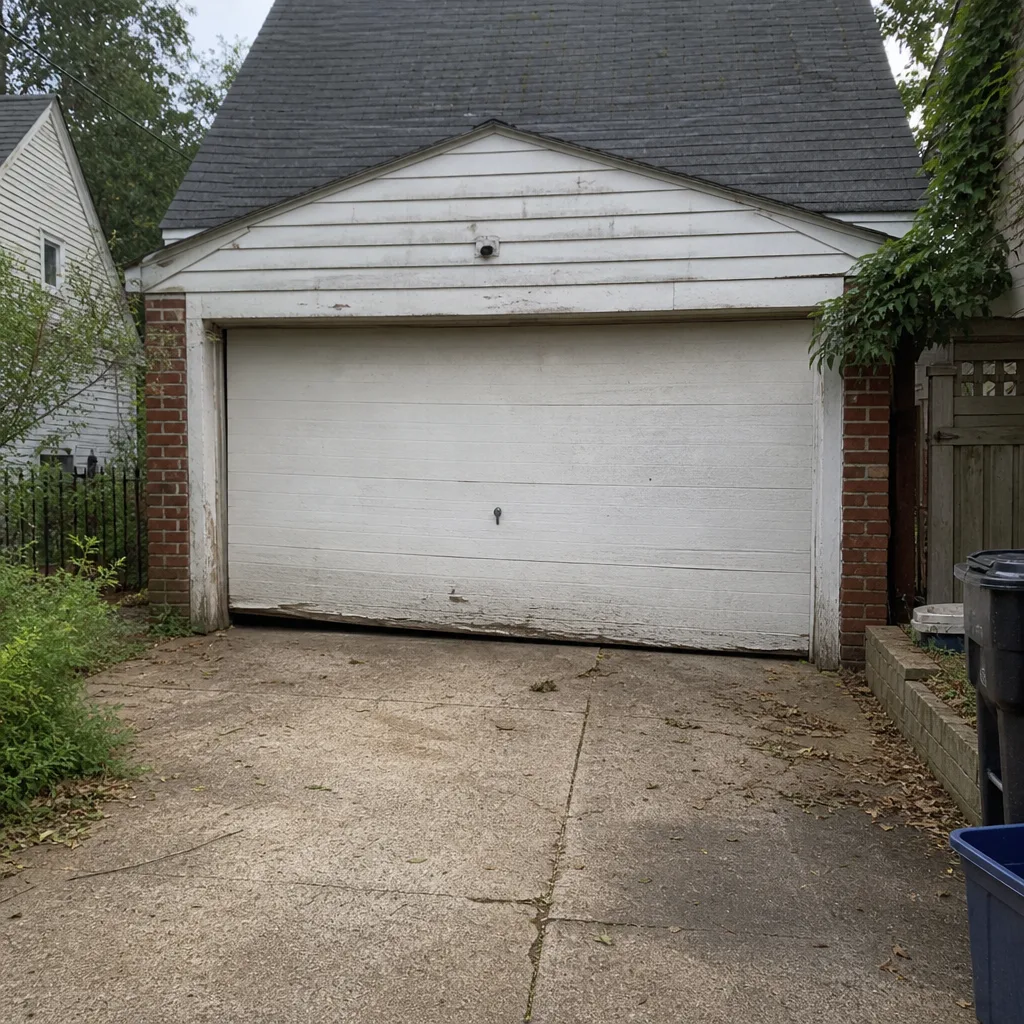 Before
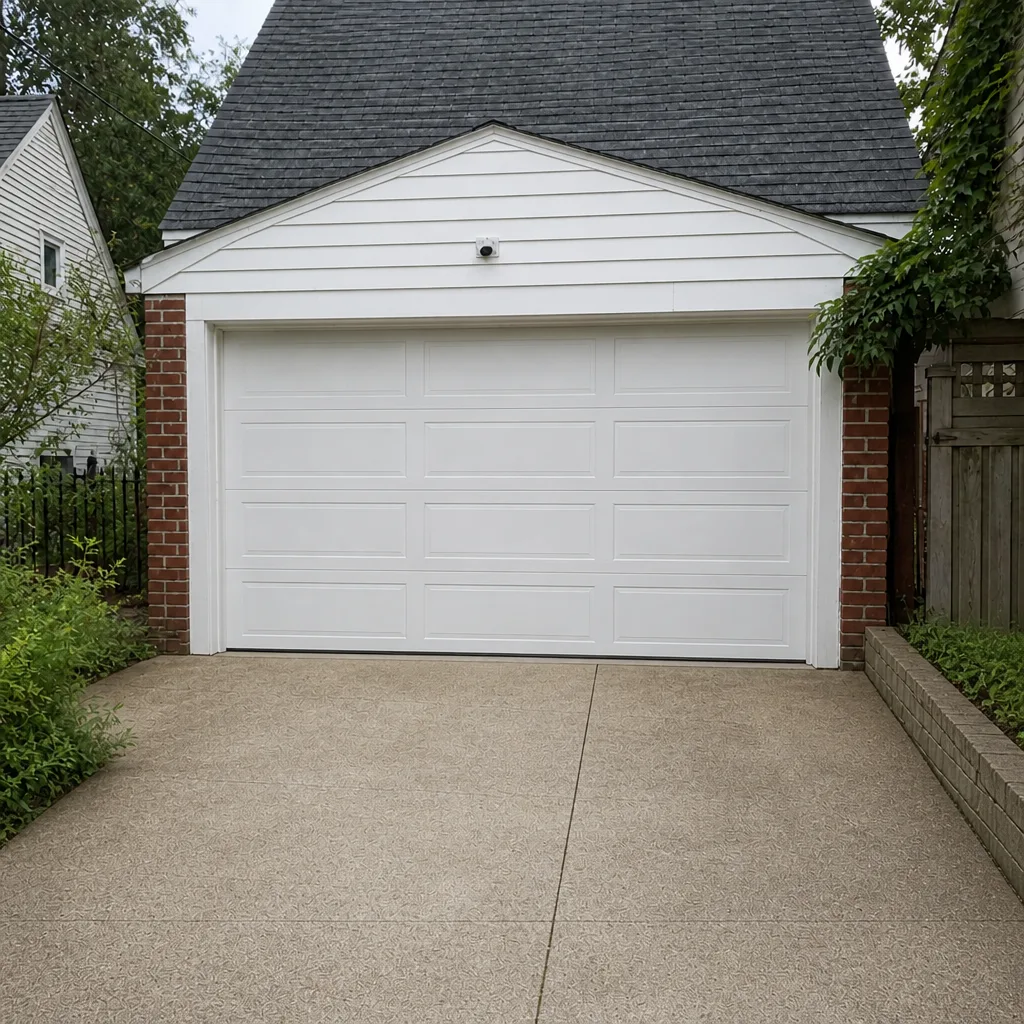 After
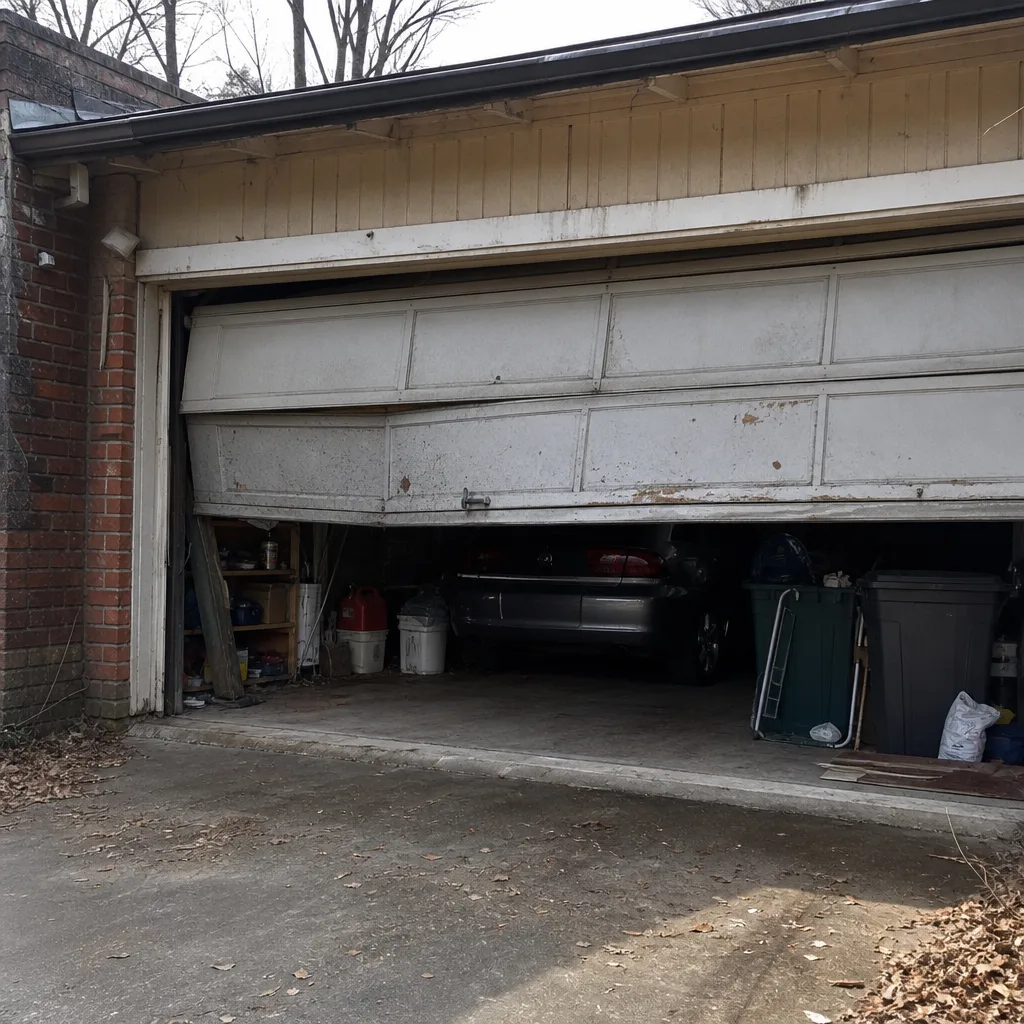 Before
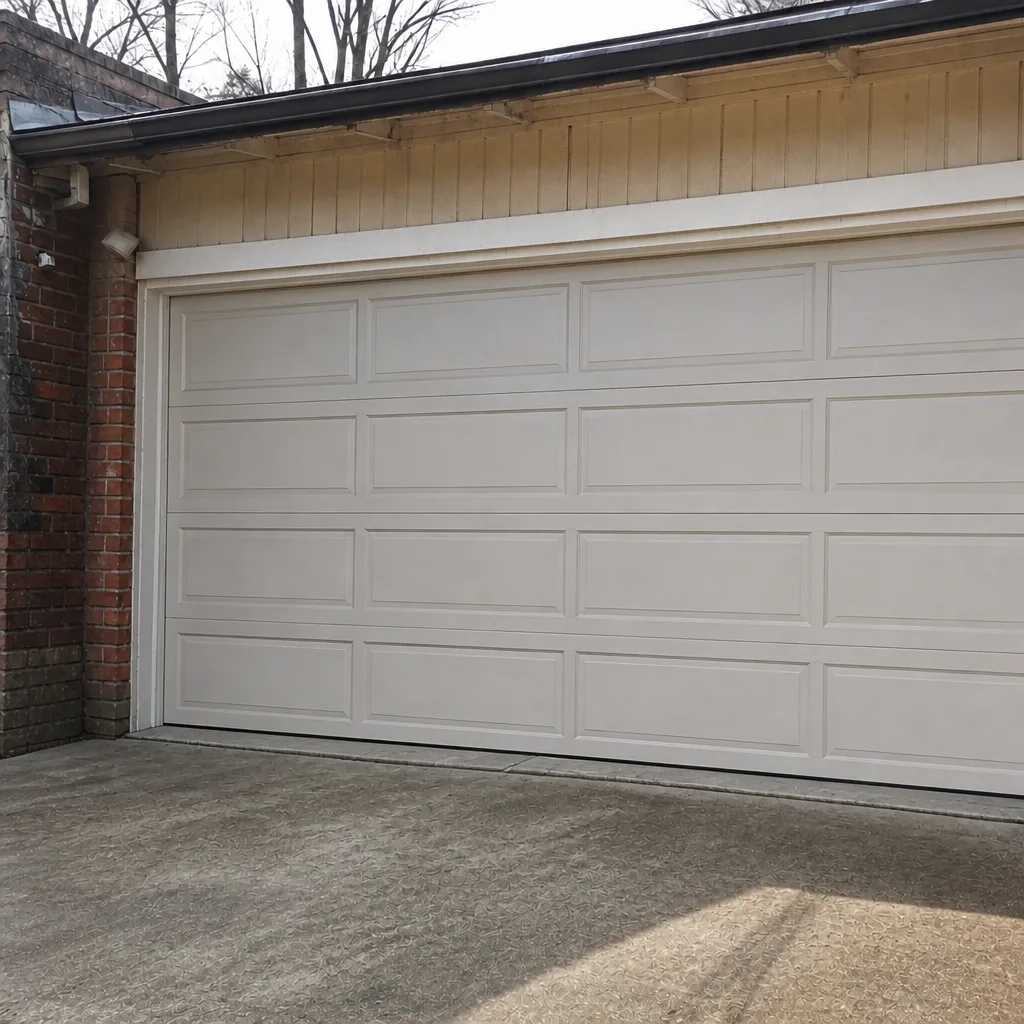 After
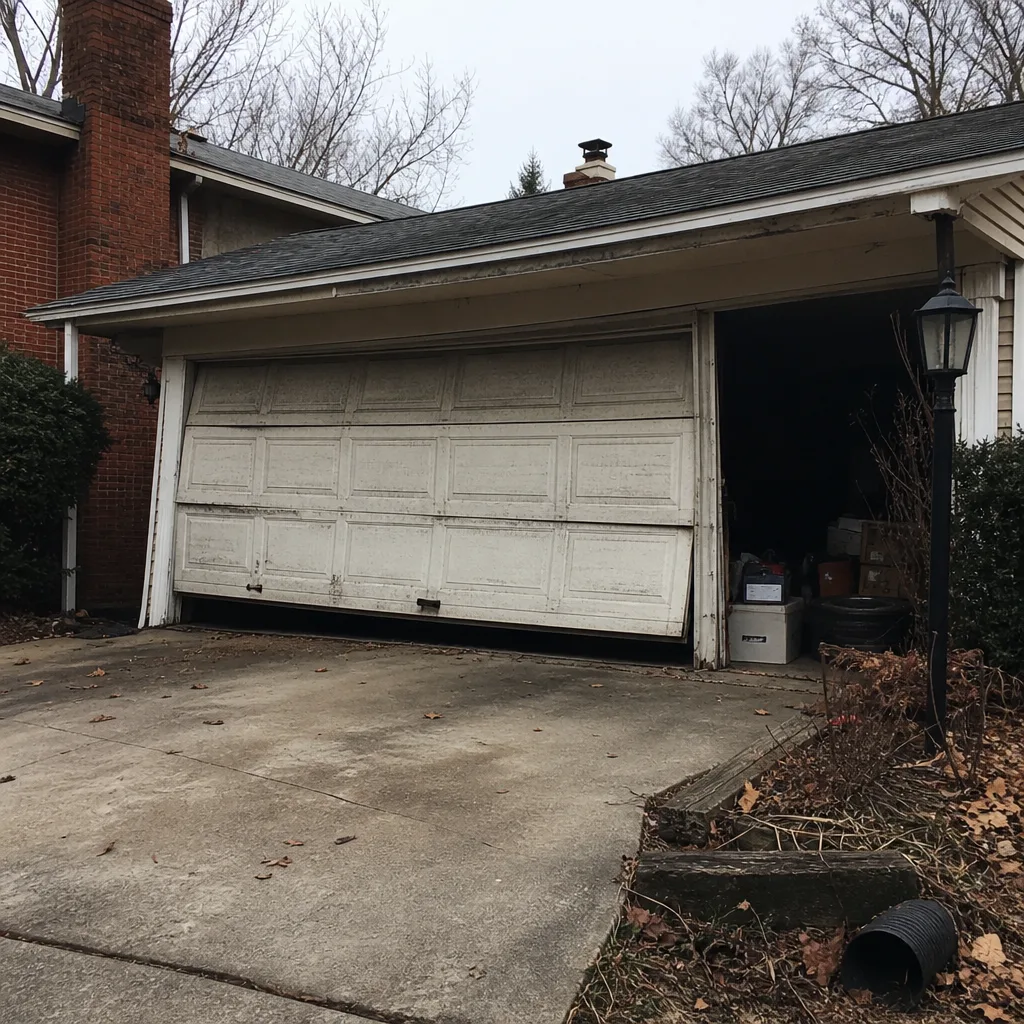 Before
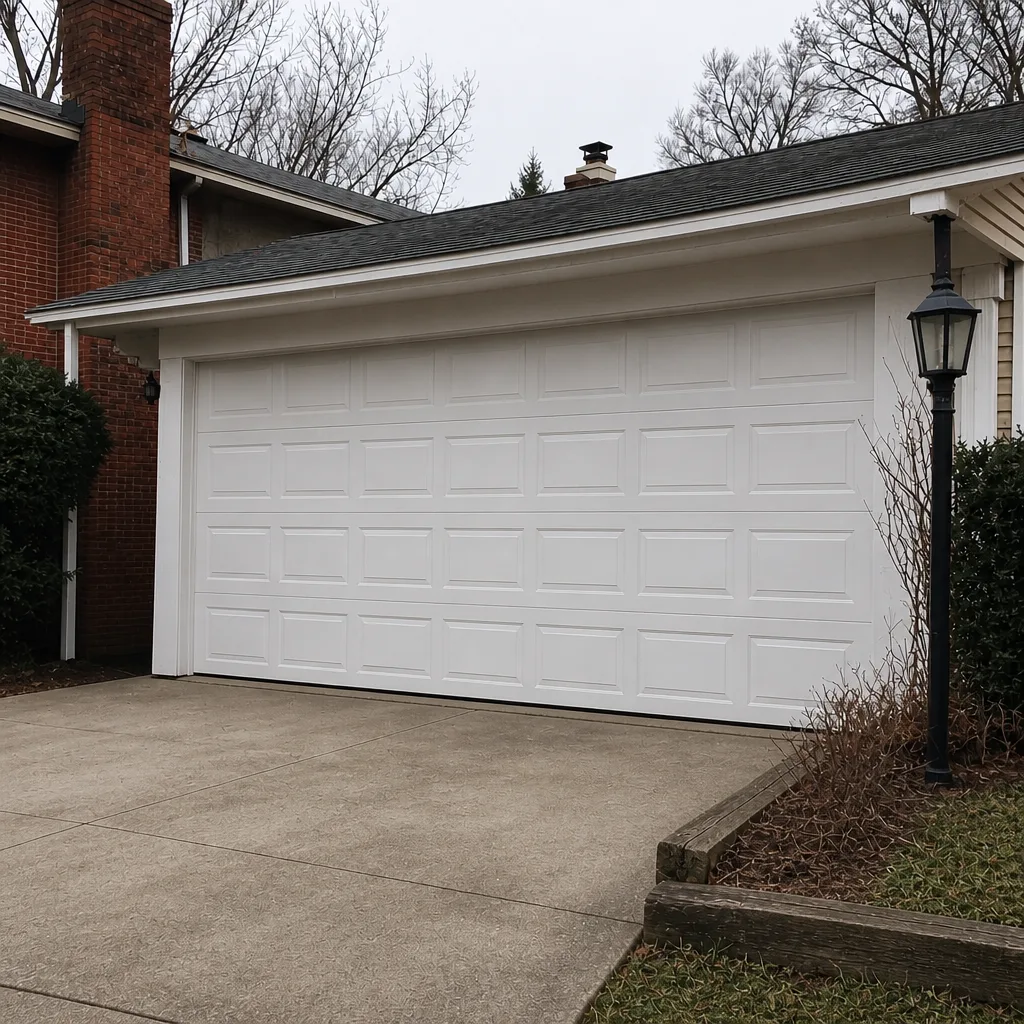 After
When to Call a Professional
Call a professional when a spring has popped, a cable is snapped or frayed, the door won’t close, the door hangs crooked, the opener runs but the door won’t move, or a visually obvious sign has appeared and you aren’t sure whether it’s safe. Call sooner if the door is the only way a car gets in or out, or if the building is left unsecured. Also call if you’ve been putting off a sound that’s been getting worse for weeks; the warning stage is the cheapest stage to fix. Georgetown Garage Door Repair Pros offers free estimates in Georgetown. Call (877) 676-2031. We answer 24/7. Fast dispatch from 7am to 7pm, Sunday through Friday. And if it turns out the fix is a full replacement, we can quote that too, so you’re not handed off between vendors.
Frequently Asked Questions
Grinding, popping, or scraping sounds are the most common early warning sign, and they usually point to worn rollers, a misaligned track, or a spring under strain. Catch it early and it’s usually a smaller repair. Call (877) 676-2031 for an exact quote; estimates are free.
You can use it for most early signs like grinding or squeaking, but not after a spring or cable has failed. A door with a broken spring or frayed cable should be disconnected, left closed, and left alone until a technician can get to it. Call (877) 676-2031 and describe what you see.
Spring replacement in Georgetown typically runs $180-$340 for a single spring, and a matched pair usually costs about double that because both are commonly replaced together. The written estimate sets the final price before work starts. Call (877) 676-2031 for an exact quote; estimates are free.
Yes, in cases where a failed spring, snapped cable, or unsecured door is leaving you trapped or exposed, same-day emergency service is available. We answer 24/7 on (877) 676-2031, with fast dispatch from 7am to 7pm, Sunday through Friday. We’re closed Saturday, and a call then is booked into the next opening on Sunday.
No. The price is quoted and agreed before any work starts, so the written estimate is what the invoice reflects. If the diagnosis changes on site, you’ll hear about the difference before anything is agreed. Call (877) 676-2031 for a free estimate.
Yes. We work on LiftMaster, Chamberlain, Genie, Clopay, Amarr, Wayne Dalton, Craftsman, and Raynor, which covers most of what’s installed in Georgetown homes, including legacy systems and newer smart-home openers. Our technicians have up to 10 years of experience working across those makes. If you’re not sure what you have, call (877) 676-2031 and we’ll help you identify it.
The Bottom Line
Garage door failures usually announce themselves first through sound, movement, or a visual cue you can check yourself. The value of learning those signs isn’t a diagnosis; it’s knowing whether your door is a wait-and-schedule problem or a stop-using-it-now problem, and acting on that before small wear becomes a bigger repair. The signs that matter most are spring and cable failure, which are same-day and dangerous to handle; alignment and balance changes, which are scheduled; and opener issues, which are their own category. A monthly five-minute check plus a call when something changes covers most of it. If anything on your door has you second-guessing, that’s the point to call. Georgetown Garage Door Repair Pros offers free estimates in Georgetown. Call (877) 676-2031. We answer 24/7. Fast dispatch from 7am to 7pm, Sunday through Friday. We’re closed Saturday.
Written by the team at Georgetown Garage Door Repair Pros.