
Last updated November 21, 2026
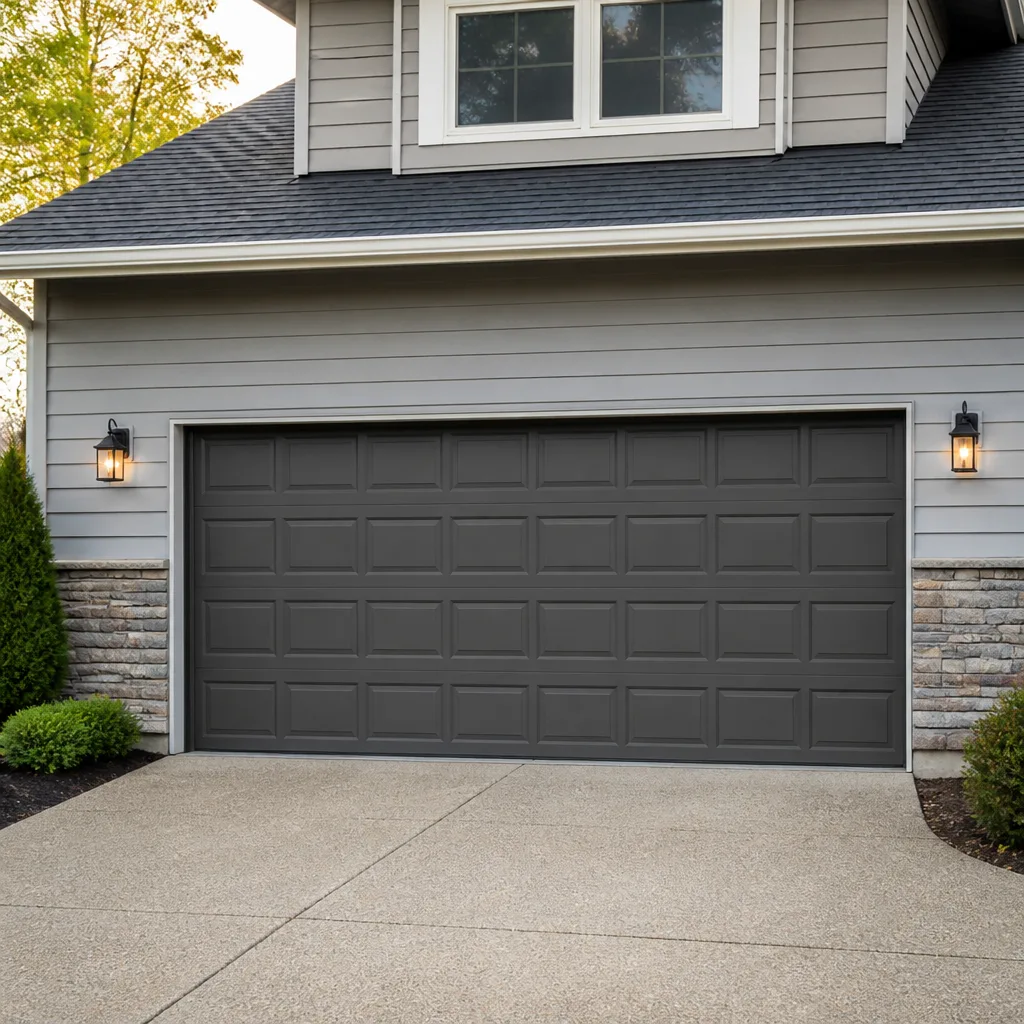 Raised-panel steel
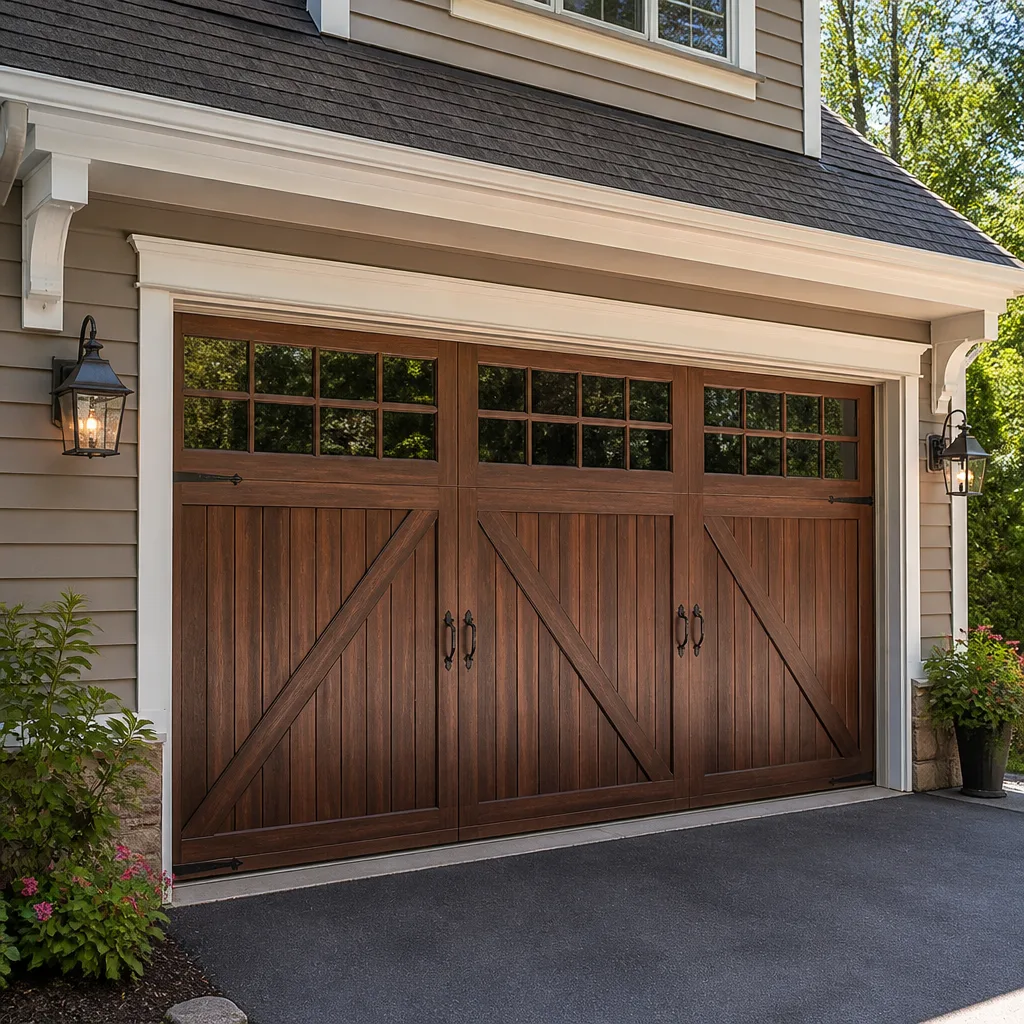 Carriage house
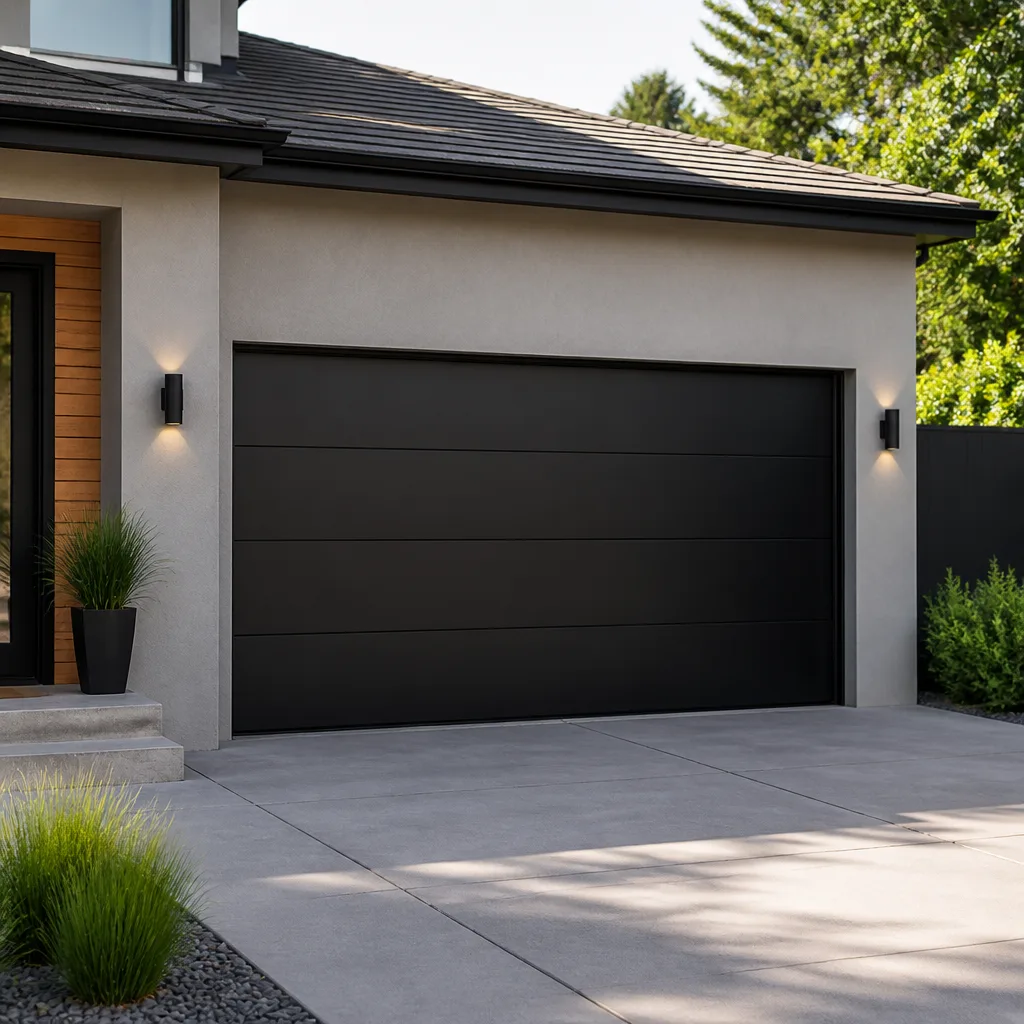 Modern flush
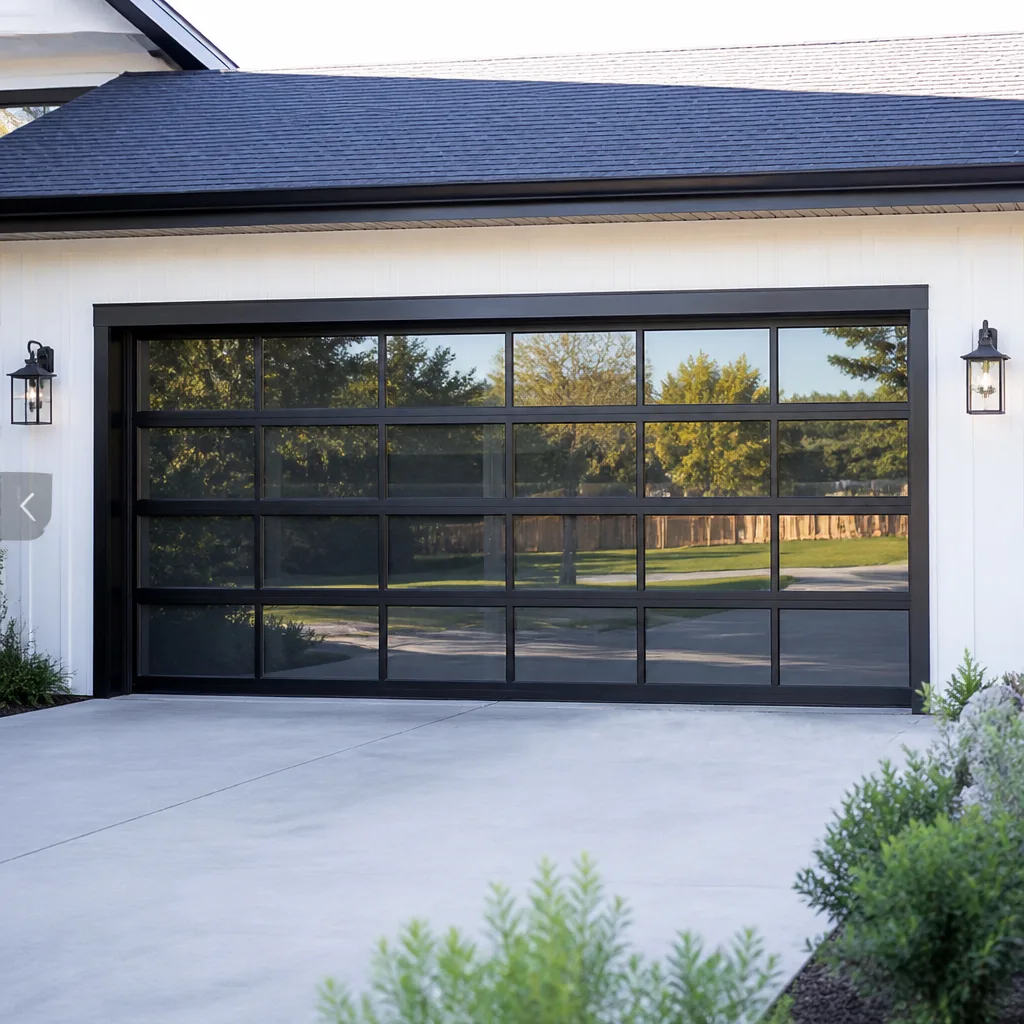 Full-view glass
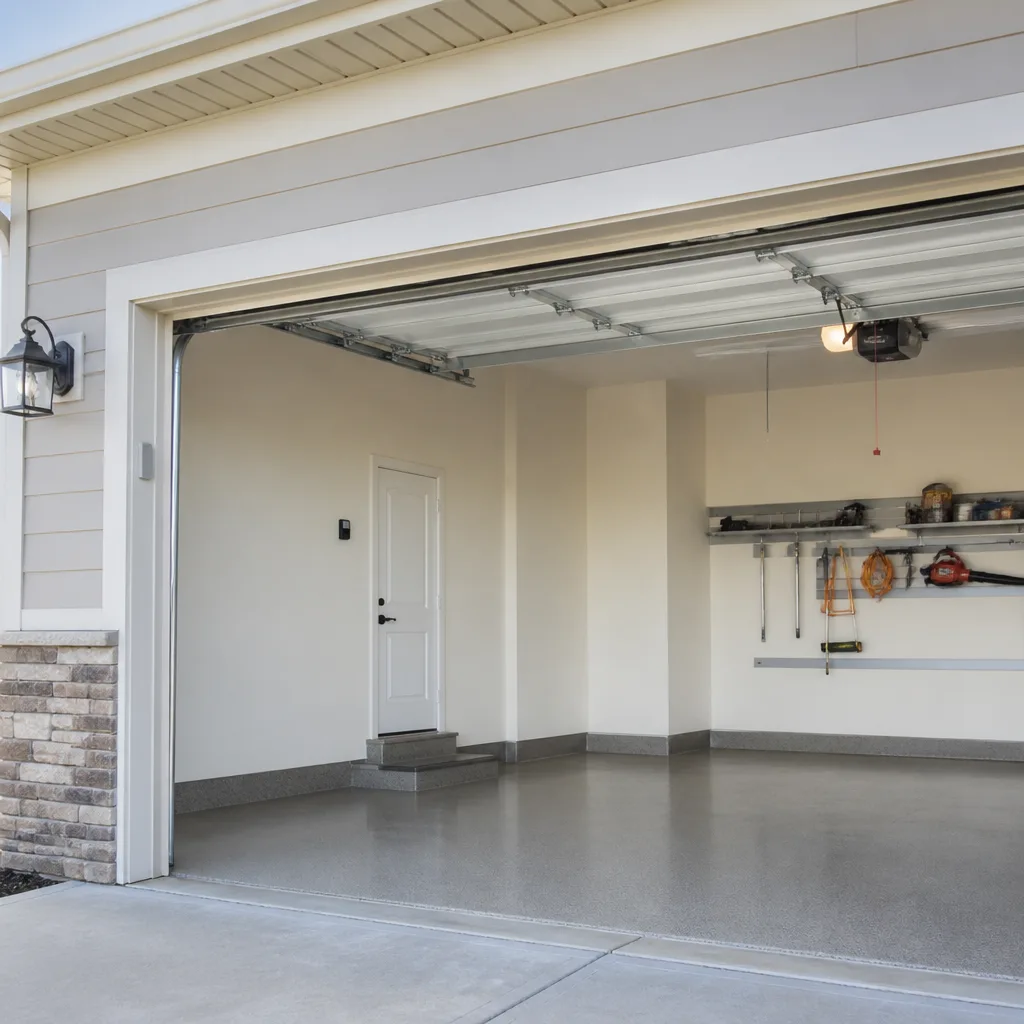 LiftMaster openers
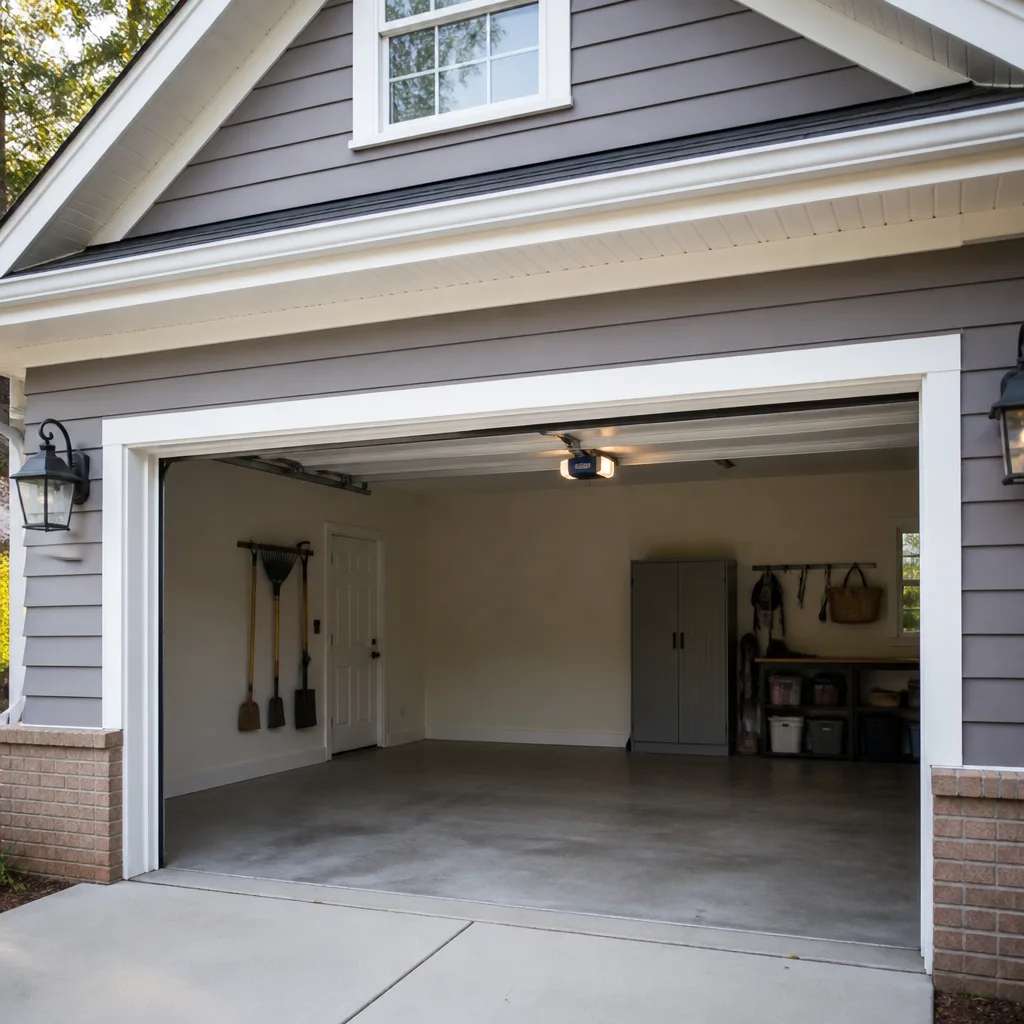 Chamberlain openers
Full 25-point door and opener safety check with every visit - springs, cables, rollers, tracks, and your LiftMaster or Chamberlain opener included
You get a price before we start. It does not change when the pro arrives.
Get your free estimateSeasonal Garage Door Care for Georgetown: Year-Round Homeowner’s Guide
Most homeowners assume a garage door breaks in January, when it’s coldest. In our experience around Georgetown, that’s not how it plays out. The heaviest stretch for spring and cable failures is actually the first warm weeks of spring, when a door that sat through freeze-thaw cycles all winter is suddenly asked to move at full speed again. Frozen lubricant residue has thickened in the rollers and hinges, cables have stiffened with road salt tracked in off the alley, and the whole mechanism gets tested at once. The door that fails in April was usually already weakening in February. This guide walks through what each Georgetown season actually does to a garage door and opener, and how doing the right small task at the right time prevents the big repair later.
Quick Answer
Seasonal garage door care in Georgetown means matching the maintenance to the season that stresses the door, not just doing the same checklist twice a year. Spring is for cleaning up after freeze-thaw cycles and checking cables and the bottom seal, summer is for managing humidity-driven swelling on wood doors, fall is for pre-winter prep on weatherstripping and springs, and winter is for avoiding damage when a door freezes to the floor. A 15-minute walkthrough each season catches most problems before they turn into a repair call.
Styles & brands we work with
- Raised-panel steel
- Carriage house
- Modern flush
- Full-view glass
- LiftMaster openers
- Chamberlain openers
Table of Contents
- Why Georgetown’s Climate Is Hard on Garage Doors
- Spring: Recovering from Freeze-Thaw Cycles
- Summer: Humidity, Swelling, and Travel Limits
- Fall: The Pre-Winter Prep That Prevents Cold-Weather Failures
- Winter: What to Do When the Door Freezes to the Floor
- Building a 15-Minute Seasonal Walkthrough
- Common Mistakes to Avoid
- When to Call a Professional
Why Georgetown’s Climate Is Hard on Garage Doors
Georgetown sits in a mid-Atlantic climate with all four seasons fully expressed, and that’s the core of the problem. A garage door in Georgetown moves through humid summer air, repeated freeze-thaw cycles in winter, and the wet spring that follows. Every one of those conditions stresses a different part of the door – the springs, the cables, the seals, the panels, the hardware – so the failure pattern changes month to month. That’s why a one-size-fits-all “lube it twice a year” routine misses half the issues.
The mechanics matter here. A torsion spring works by storing tension and releasing it to lift the door, and temperature changes that tension slightly. Cold contracts metal and stiffens lubricant; heat expands it. Cables run along the sides under constant load and react to the same shifts. On wood doors, moisture swings the panels. On steel doors, temperature swings work the fasteners and weatherstripping.
Older Georgetown homes often have a single-car or undersized garage tucked behind a narrow alley, sometimes with a wood door that’s decades old. Newer builds tend toward steel or aluminum with a smart opener. Both types feel the same seasonal cycles; they just fail in different places. A wood Clopay or Amarr door swells and binds in July, while a steel Wayne Dalton door mostly suffers at the hinges and seal. Knowing which door you have tells you which seasonal task matters most.
Georgetown also has a housing stock mix that keeps things interesting. Row houses and converted carriage houses near the commercial strips often have low-clearance or tight-fit doors where the bottom seal bears the brunt. Larger single-family homes up the side streets tend to have wider doors with more panel area to flex. Neither is inherently better; both need the same seasonal attention pointed at different parts.
When we talk with homeowners about seasonal care, we lead with this: the season isn’t a reminder to “check the door.” It’s a reminder to check a specific part of the door that this season attacks. That framing changes what you actually do.
Spring: Recovering from Freeze-Thaw Cycles
Spring is when a Georgetown garage door is most likely to fail, and the reason isn’t obvious. It’s not that winter broke something. It’s that winter left the mechanism sluggish and the first warm weeks ask it to move fast and often again. Here’s what to do after the thaw.
Inspect the bottom seal first. The rubber or vinyl astragal along the bottom edge takes on water, freezes, thaws, and can split or harden. Run your hand along it: cracks, hard spots, or gaps where it meets the floor mean the seal is due for replacement. A failing seal lets cold air, water, and pests in, and on a wood door it accelerates rot at the bottom rail.
Listen to the cables. The cables should be under even tension on both sides. If one looks slack, kinked, or frayed, stop and call for spring and cable service – do not try to adjust it yourself. Cables and springs are under extreme tension and are the most dangerous part of the whole door.
Clear and re-lubricate. Winter leaves grit and salt residue in the rollers, hinges, and tracks. Wipe the tracks clean with a damp cloth, then apply a garage-door-rated lubricant to the hinges, rollers, and the torsion spring (not the tracks – dry tracks are fine and lubricant there attracts dirt).
Cycle the door and listen. A clean, well-lubed door runs quietly. Grinding, squealing, or a harsh rattle points to a part that needs attention before it fails.
Spring is also the right window to book a routine tune-up if you haven’t had one, since the same visit can catch cable wear the eye misses. Our team handles garage door spring repair as a core specialty rather than a side job, and a spring that survived a hard winter is exactly the kind we’d rather inspect in April than replace in July.
Summer: Humidity, Swelling, and Travel Limits
Summer in Georgetown means high humidity, and high humidity means two things for a garage door: wood panels swell, and the opener’s travel limits can drift out of adjustment as the door’s geometry changes by a fraction of an inch. A door that closes fine in April can start stopping short in July or binding mid-travel.
On wood doors, humidity is the main event. A solid-wood or wood-composite door absorbs moisture and can swell enough to rub the frame or bind in the tracks. If the door squeaks, hesitates, or leaves a small gap at the bottom, it’s usually swelling rather than a mechanical fault. You don’t fix this by forcing the door; you let it move freely by checking the gap and clearing any binding point. A Clopay or Amarr wood door in an older Georgetown garage is especially prone to this.
Check the opener’s travel limits. If the door stops a few inches short on close or reverses immediately on opening, the opener’s limits may need adjusting. On a LiftMaster or Chamberlain opener, this is done from the control panel or remote depending on the model. If you’re not sure how to do it, this is a quick garage door opener repair visit rather than a weekend project.
Watch the sensor alignment. Humid air fogs the safety sensors, and summer heat can warp the sensor brackets slightly. If the door reverses for no reason on closing, check that the sensor eyes on both sides are clean, facing each other, and their indicator lights are steady.
Dehumidify or ventilate where you can. A garage that holds damp air accelerates wood swelling and rusts hardware. Cracking a window or running a small fan helps in the worst weeks.
Summer is also upgrade season in Georgetown, when many homeowners decide their opener is the weak link. If yours is a Genie Aladdin Connect or a smart LiftMaster myQ system, we service both – old and new.
Fall: The Pre-Winter Prep That Prevents Cold-Weather Failures
Fall is the most important maintenance window of the year in Georgetown, because the work you do now is what keeps the door from failing in January and February. Most cold-weather garage door failures trace back to something that should have been addressed in October.
Here’s the fall prep in order:
- Inspect and seal the weatherstripping. Check the bottom seal, the side and top seals, and any gap between the door and frame. Worn weatherstripping lets cold air and water in, and a door that can’t seal against the cold is more likely to freeze to the floor.
- Lubricate springs and hinges with a cold-rated lubricant. Standard grease stiffens in the cold. Use a garage-door-rated lubricant that stays fluid at low temperatures so the hardware isn’t dragging through winter.
- Align and test the safety sensors. Cold air and low sun angle in fall cause more false reversals than summer. Confirm the sensors are clean, aligned, and working.
- Check the balance of the door. With the opener disconnected, lift the door halfway by hand. It should stay roughly in place. If it drops or rises on its own, the springs are out of balance.
- Tighten loose hardware. Seasonal temperature swings loosen bolts at the hinges and brackets. A quick tightening prevents rattles and misalignment.
- Clear the tracks of leaves and grit. Fall debris in the tracks is a common cause of a door that binds at the same spot every time.
- Book a professional tune-up if the door hasn’t had one. A trained technician can catch cable wear, spring fatigue, and motor issues the eye misses, which is often the cheapest way to avoid a mid-winter emergency.
Fall is also when we get the most questions about whether a door needs a full garage door installation or just repair. Usually, it’s repair – an old door that’s had a tune-up each fall will outlast one that hasn’t, panel for panel.
Winter: What to Do When the Door Freezes to the Floor
In Georgetown, the first deep cold snap of winter regularly freezes a garage door to the floor. The problem is that the bottom seal gets wet from snowmelt or rain, then drops below freezing, bonding the rubber to the concrete. Here’s how to handle it without damaging the door – and how to keep it from happening again.
Don’t yank the door open with the opener. The opener will strain against the frozen seal, the motor will work harder than it’s built for, and the bottom panel or seal can tear. If the door even moves, it can rip the seal and warp the lower panel. Best to disconnect the opener and try by hand, slowly.
Use warm water, not hot, and never force. A cloth soaked in warm water held against the frozen seal for a minute or two loosens the bond. Don’t pour hot water – it can crack concrete or warp the bottom panel.
Clear snowmelt before it refreezes. After a snowy or icy day, push the slush away from the door and wipe the bottom seal dry. A dry seal doesn’t freeze to the floor.
Check the seal’s condition. A worn or stiff seal is far more likely to freeze and tear. Winter is a good time to note the condition and plan a seal replacement in spring.
Keep the opener’s sensitivity setting right. Cold can change the door’s resistance, and an opener set too sensitive may reverse on a slightly stiff door. If the door reverses unexpectedly in cold weather, don’t increase the sensitivity setting to force it; have it checked.
The winter door failure we see most is a spring that was already weak and simply quits in the cold. If the door is suddenly heavy or won’t stay up, stop using the opener (it will burn out working against a dead spring) and call for service. Spring repair is dangerous work even in warm weather; in the cold it’s no different.
Building a 15-Minute Seasonal Walkthrough
The reason most homeowners don’t do seasonal maintenance is that it sounds like a project. It isn’t. A focused walkthrough takes about 15 minutes and covers the parts that actually fail. Build it into your routine rather than treating it as a chore – a walkthrough every time you change the clocks is a natural reminder.
The 15-minute routine, in order:
- Open and close the door once, listening closely. Note any grinding, squeak, or uneven movement. (2 minutes)
- Look at the bottom seal. Cracks, gaps, or stiffness tell you it’s time to replace. (2 minutes)
- Check the cables and springs visually. Fraying, slack, or fresh rust at the spring is a call-the-pro signal. Don’t touch the springs. (3 minutes)
- Wipe the tracks clean and re-lubricate hinges and rollers. (3 minutes)
- Test the safety sensors. Block one with your hand; the door should reverse. (2 minutes)
- Confirm balance: disconnect the opener and lift the door halfway; it should hold. (2 minutes)
- Write a one-line note on what changed since last season. (1 minute)
Here’s a printable task summary to keep on the wall of the garage:
- Every season: cycle door and listen; clean tracks and lube; test sensors; check balance.
- Spring: inspect bottom seal; check cable tension; clear winter grit.
- Summer: check wood door for swelling; verify opener travel limits; align sensors.
- Fall: inspect and seal weatherstripping; lube with cold-rated product; tighten hardware; book tune-up if due.
- Winter: clear snowmelt; don’t force a frozen door; watch for heavy or slow operation.
Pair the walkthrough with a habit: whenever you carry something into the garage and hit the button, glance at the seal and listen. The homeowners in Georgetown who avoid expensive repairs are usually the ones who caught a soft cable or a splitting seal early, not the ones who did a big overhaul every spring.
Common Mistakes to Avoid
- Lubricating the tracks. A dry track is a clean track. Lubricant attracts grit and debris and turns into sludge that wears the rollers faster. Lube the hinges, rollers, and spring, not the track surfaces.
- Using thick grease in cold weather. Standard grease stiffens below freezing and makes the door work harder. Gear the product to the season.
- Forcing a frozen door open. The single highest-damage winter mistake in Georgetown. The opener strains, the seal tears, and the bottom panel can warp. Loosen it with warm water, by hand, every time.
- Cranking up the opener’s force setting to get past a stiff door. If the door is binding, the opener’s force setting is not the fix. Increasing it masks a mechanical problem and can break the door or burn the motor. Find the binding cause instead.
- Ignoring an unbalanced door. If the door won’t hold at the halfway point, a spring is likely out of balance, and running it as-is strains the opener and the whole mechanism. Have it checked rather than waiting.
- Assuming a noisy door just needs oil. Sometimes grinding is just a dry roller. Sometimes it’s a failing spring or worn cable. Every season of noise you ignore is a season the real problem gets worse.
- Skipping the fall tune-up because the door “seems fine.” Spring fatigue and cable wear rarely announce themselves until they fail. The fall visit is the one that catches them while the fix is small.
See the difference
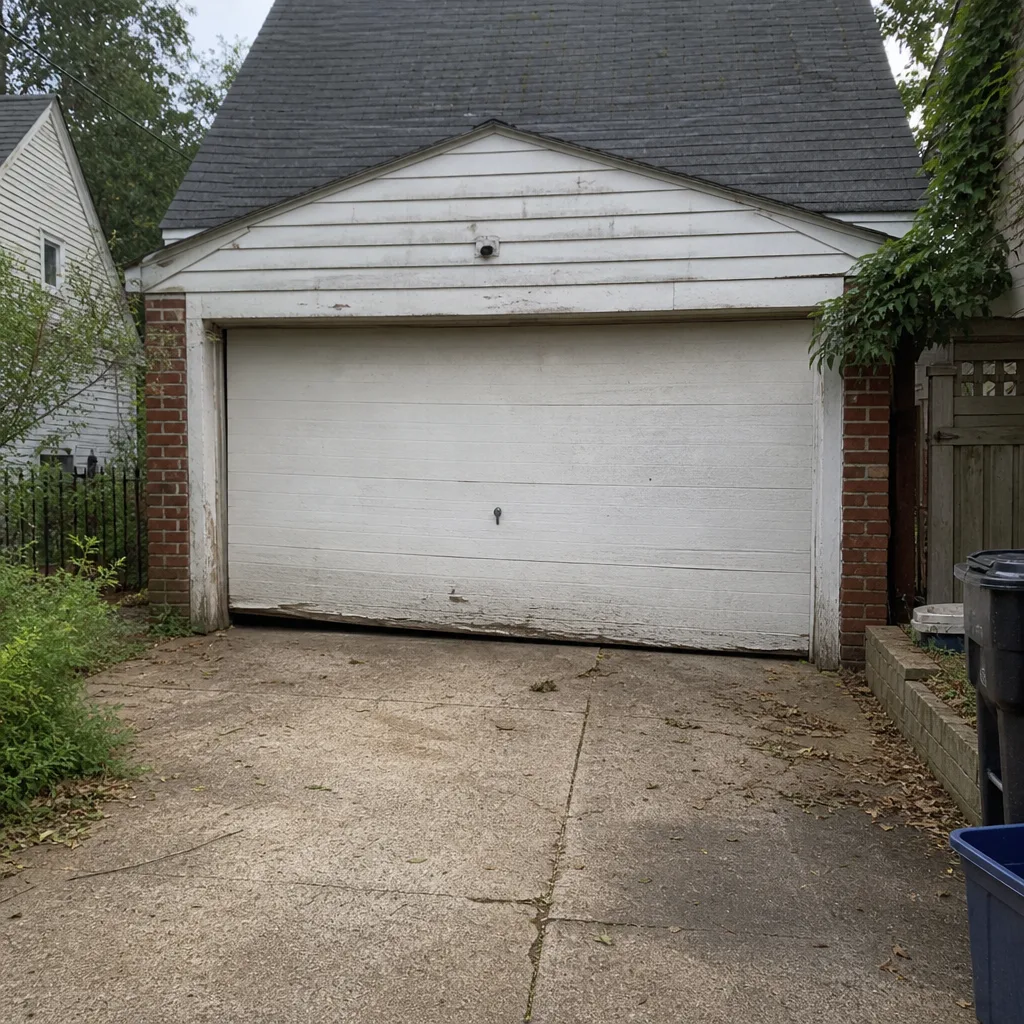 Before
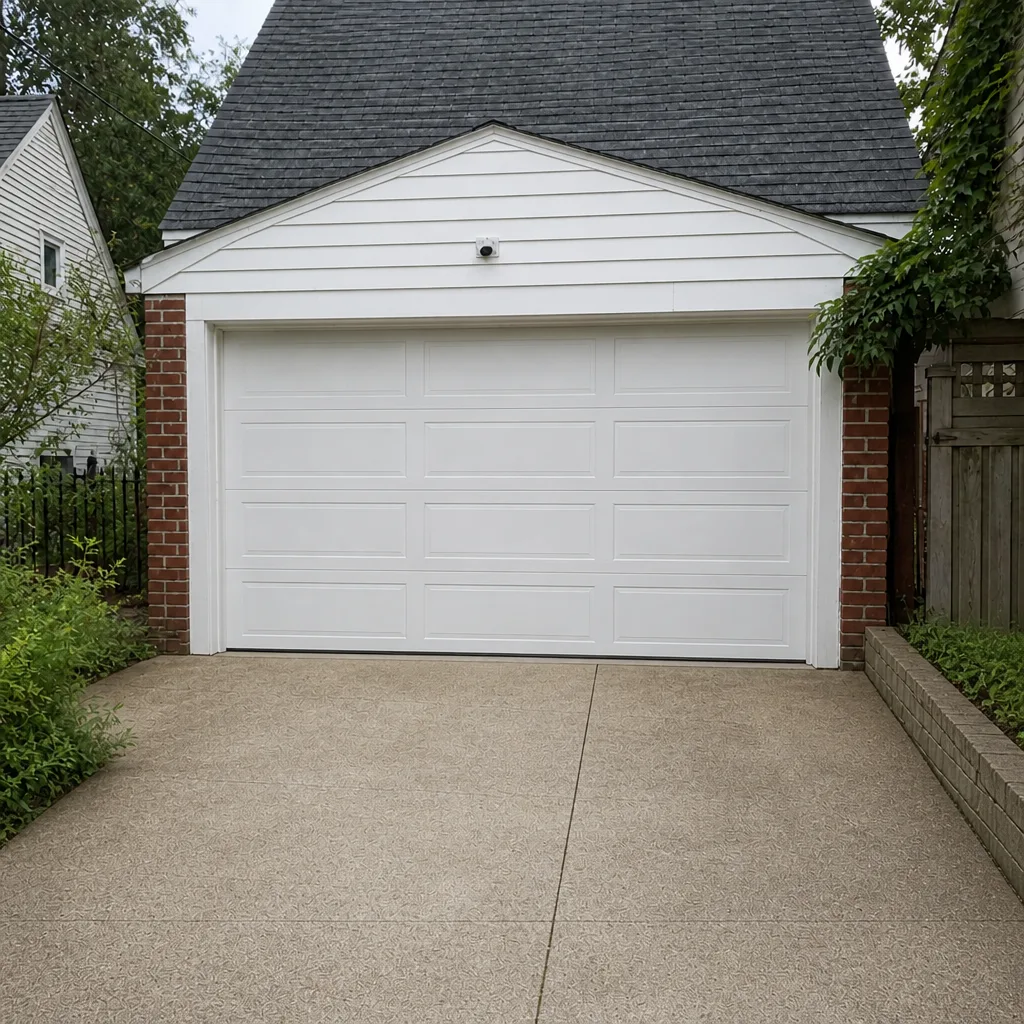 After
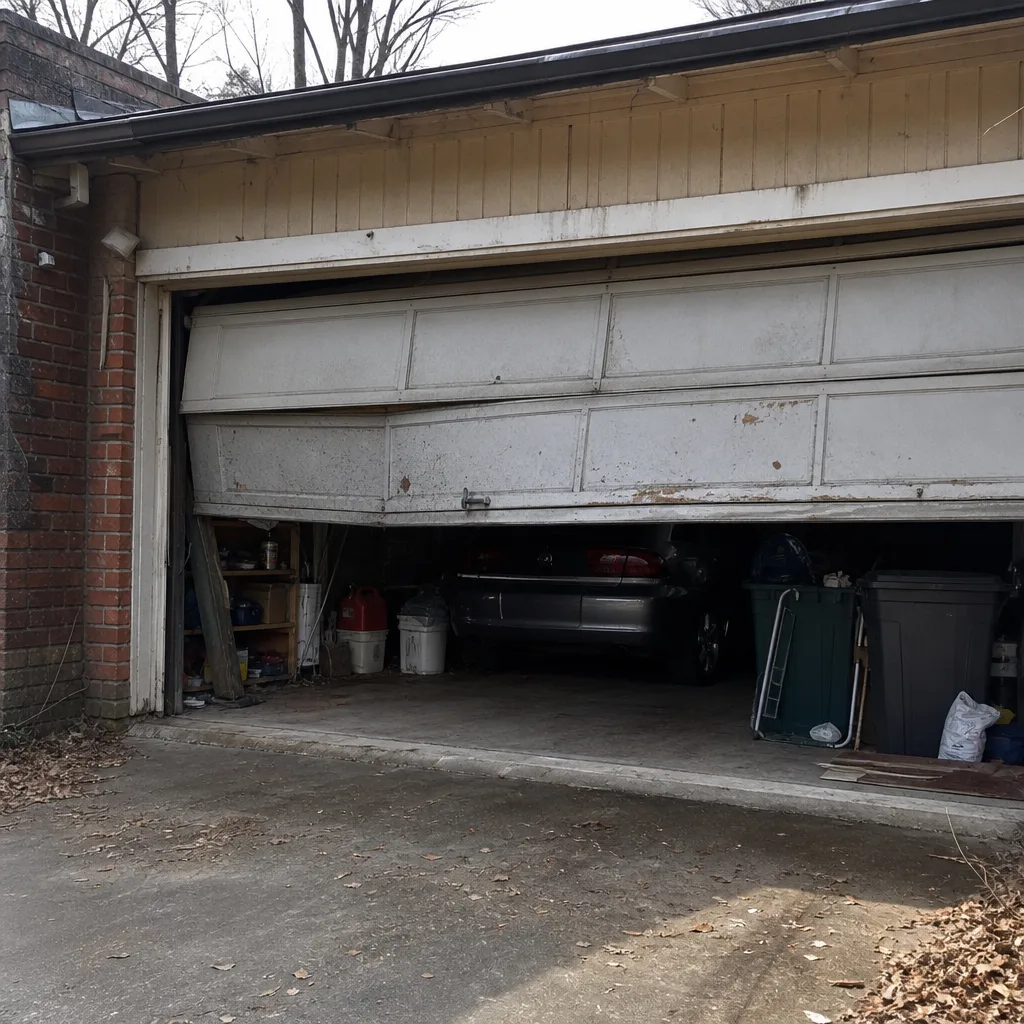 Before
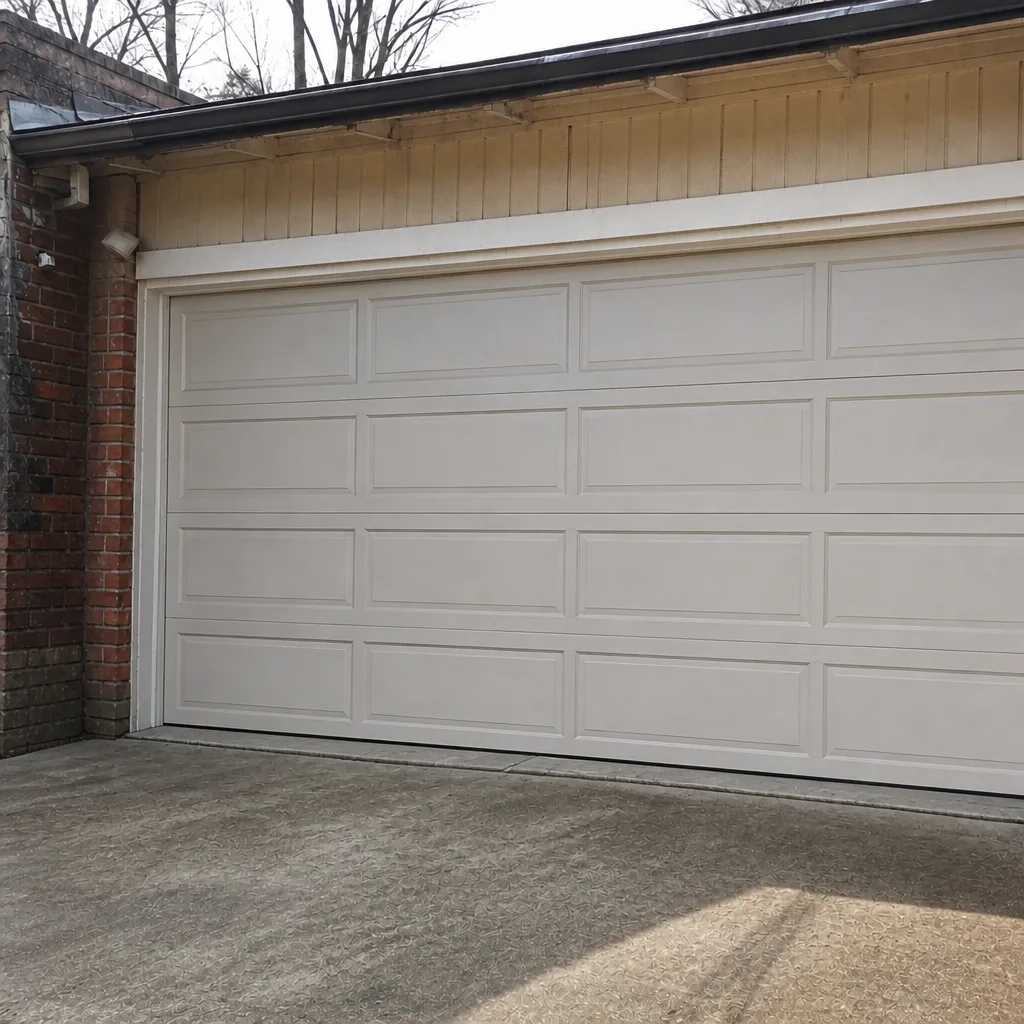 After
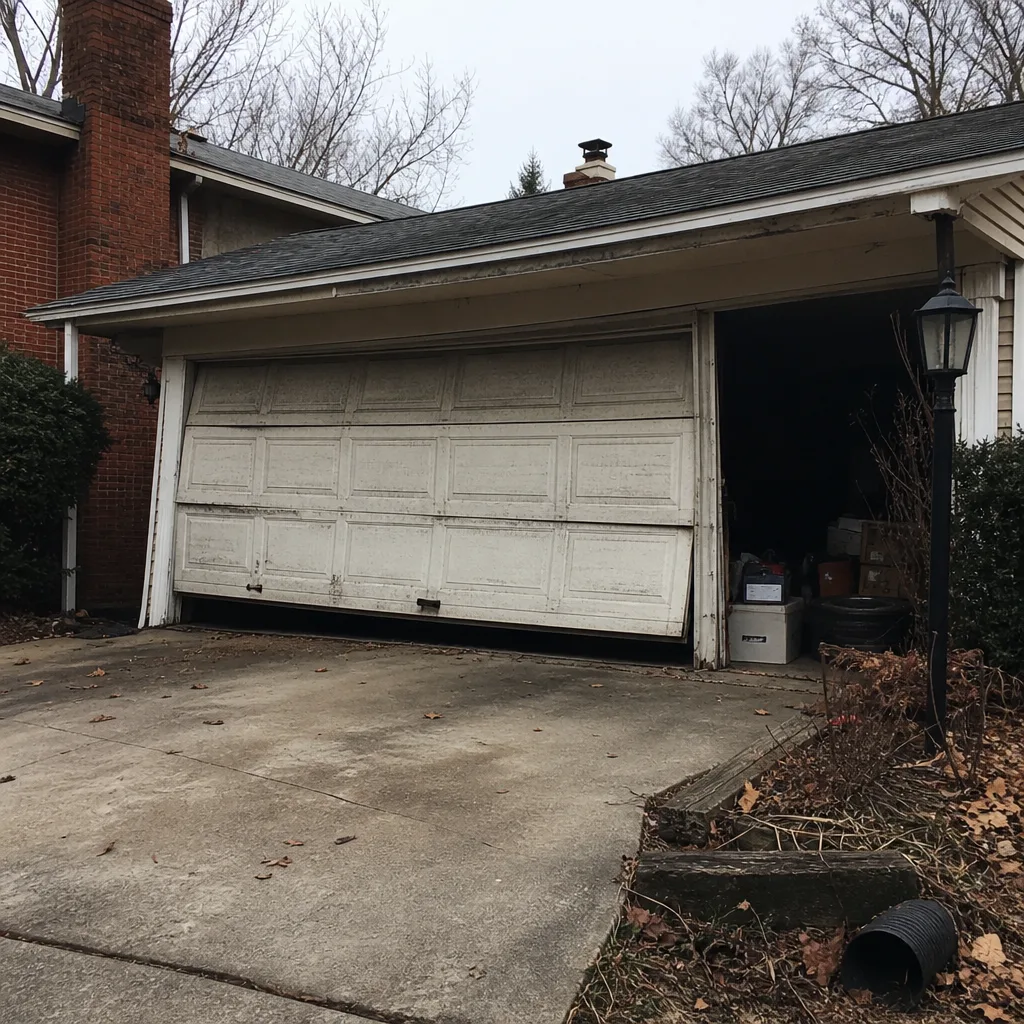 Before
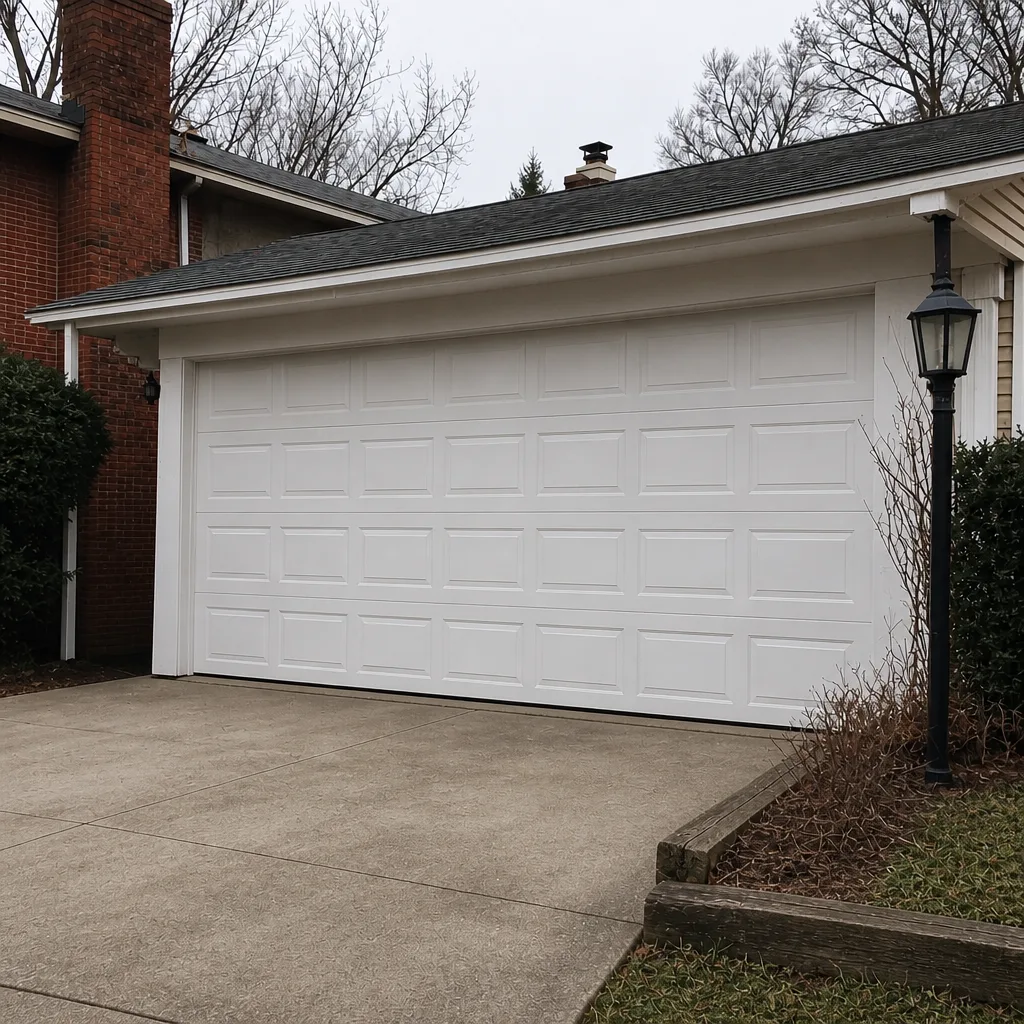 After
When to Call a Professional
Some seasonal tasks are safe to do yourself: cleaning, lubricating, testing sensors, checking the seal, and balancing the door by hand. Others are not. Call a professional if you find a slack, frayed, or kinked cable; a spring that looks rusted, stretched, or has stopped holding the door’s weight; a door that drops suddenly or won’t stay up; an opener that reverses with no obstruction; or a door that’s clearly binding or sagging on one side. Spring and cable work is the most dangerous repair a homeowner can attempt, and it’s the one we strongly recommend leaving to a trained technician.
Georgetown Garage Door Repair Pros offers free estimates in Georgetown – call (877) 676-2031 to book one. We answer 24/7. Fast dispatch from 7am to 7pm, Sunday through Friday. Our technicians have up to 10 years of experience and work on your brand, whether that’s Clopay, Amarr, Wayne Dalton, or Craftsman.
Frequently Asked Questions
A quick seasonal walkthrough every three to four months, tied to the change of seasons, covers most of what a door needs. A full professional tune-up once a year, ideally in fall before winter, catches the wear your own check can’t see. The right number depends on how often the door is used and how old it is.
Spring is the most common time for a Georgetown garage door to fail because the freeze-thaw cycles of winter leave lubricant thickened, cables stiff, and the bottom seal worn – all of which get tested when the door is asked to move at full speed again in warmer weather. The failure usually started months earlier. Cleaning, lubricating, and checking cables and seals as soon as the thaw hits prevents many of those breakdowns. Call (877) 676-2031 for an exact quote – estimates are free.
Keep the bottom seal dry by clearing snowmelt from the door after any winter storm, and make sure the seal itself is in good shape – a worn or stiff seal freezes more easily. If the door does freeze to the floor, loosen it with a cloth soaked in warm water, by hand, and never force it with the opener. If the seal has been failing for several winters, plan to replace it in spring.
In many cases, yes – we offer same-day service for urgent repairs, and our emergency garage door service is reserved for exactly this kind of situation. Call (877) 676-2031 and we’ll find the soonest opening. Same-day service is available; the price is set by the written estimate and agreed before any work starts.
No – the written estimate is the price. We inspect the door, tell you what’s needed and why, and quote it per job. The price is agreed before any work starts, so there are no surprises on the invoice.
In most cases, yes. We service LiftMaster, Chamberlain, Genie, Clopay, Amarr, Wayne Dalton, Craftsman, and Raynor systems, including both smart openers and traditional ones. Call (877) 676-2031 and tell us the brand; we can confirm right away.
The Bottom Line
Seasonal garage door care in Georgetown isn’t a twice-a-year chore. It’s four different jobs for four different seasons. Spring is for clearing the winter’s grit and checking cables and seals. Summer is for humidity and the wood door’s swelling. Fall is the prep that prevents winter failures. Winter is for protecting the seal and never forcing a frozen door. And a 15-minute walkthrough, done every season, catches most of these issues before they cost anything. If your door has been giving you warning signs, don’t wait for the next season to act. Call (877) 676-2031 for a free estimate – we answer 24/7, with fast dispatch from 7am to 7pm, Sunday through Friday.
Whether it’s your opener, your springs, or the door itself, Georgetown Garage Door Repair Pros is set up to handle it. For urgent problems, we offer emergency garage door repair for situations where a stuck door isn’t a next-week problem. No dead ends on brand, no surprises on the invoice.
Written by the team at Georgetown Garage Door Repair Pros.