
Last updated November 21, 2026
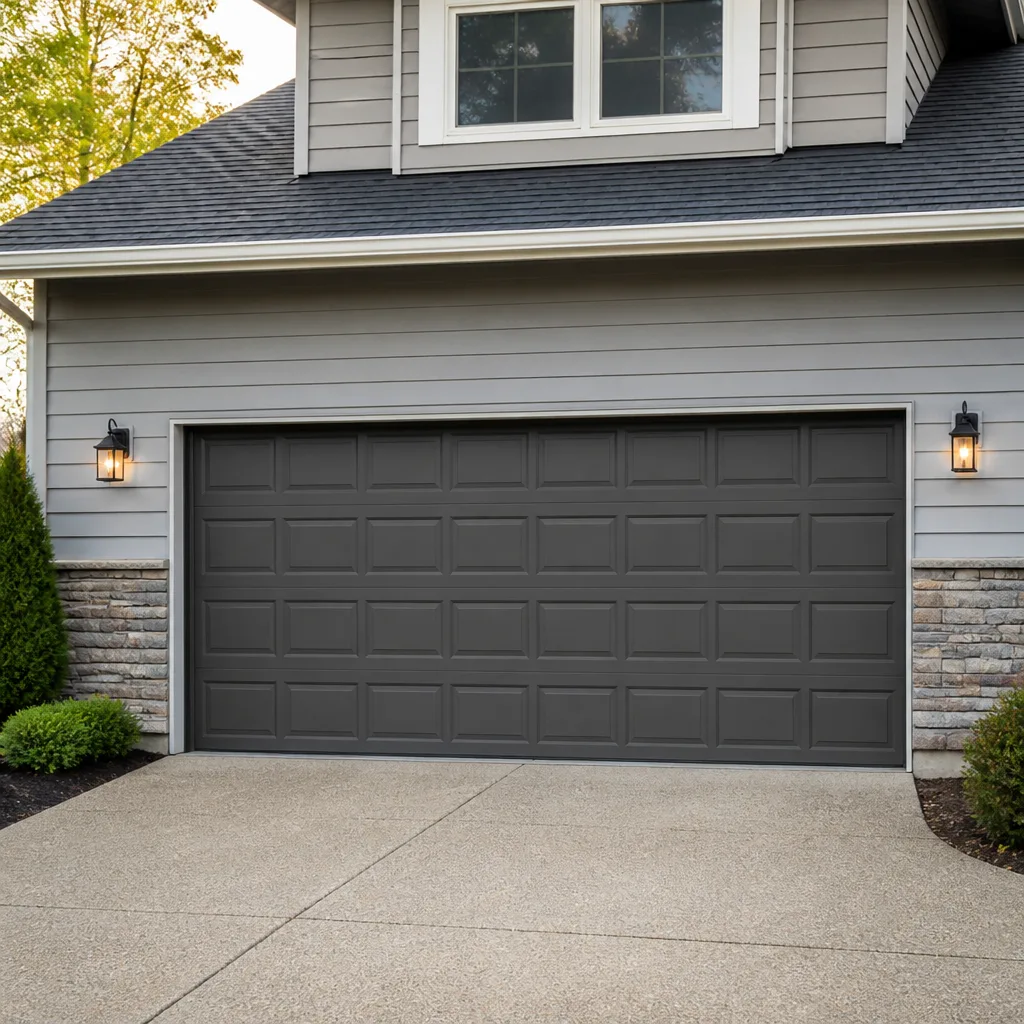 Raised-panel steel
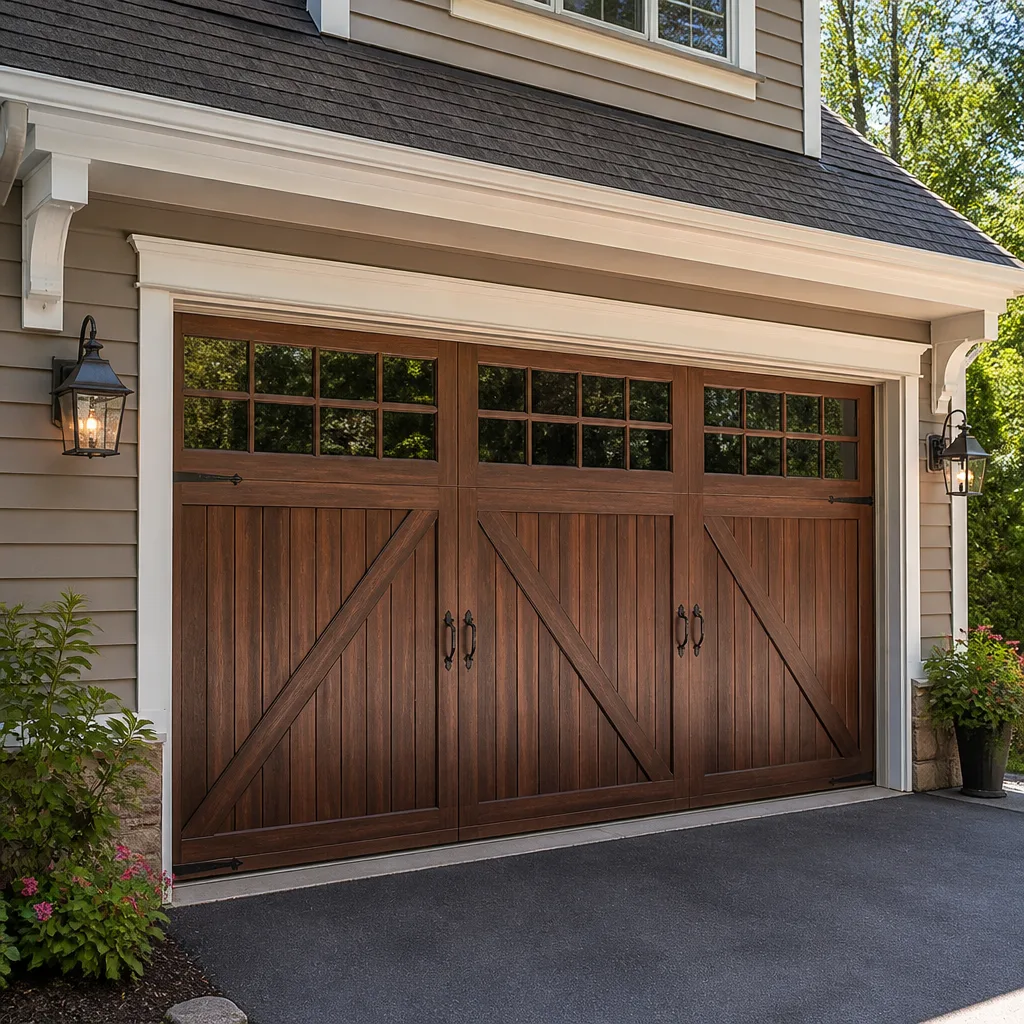 Carriage house
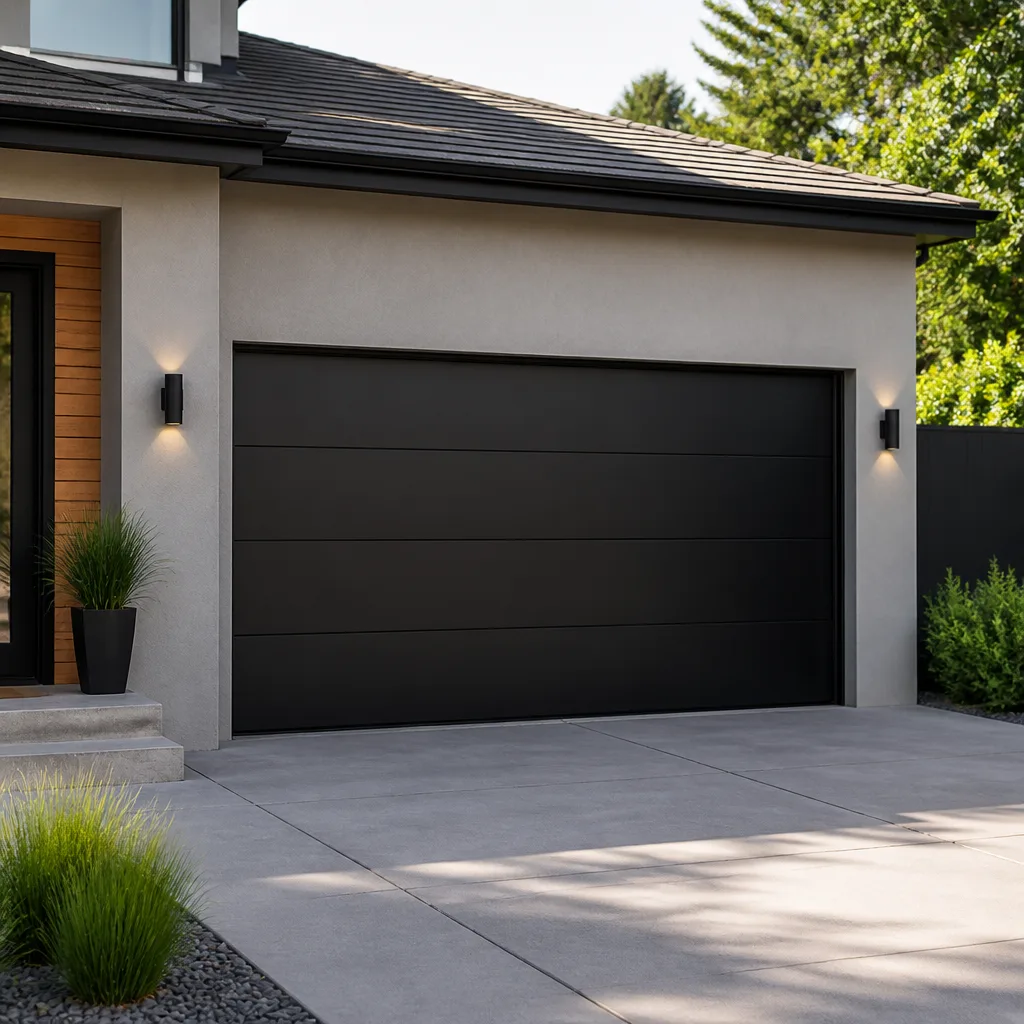 Modern flush
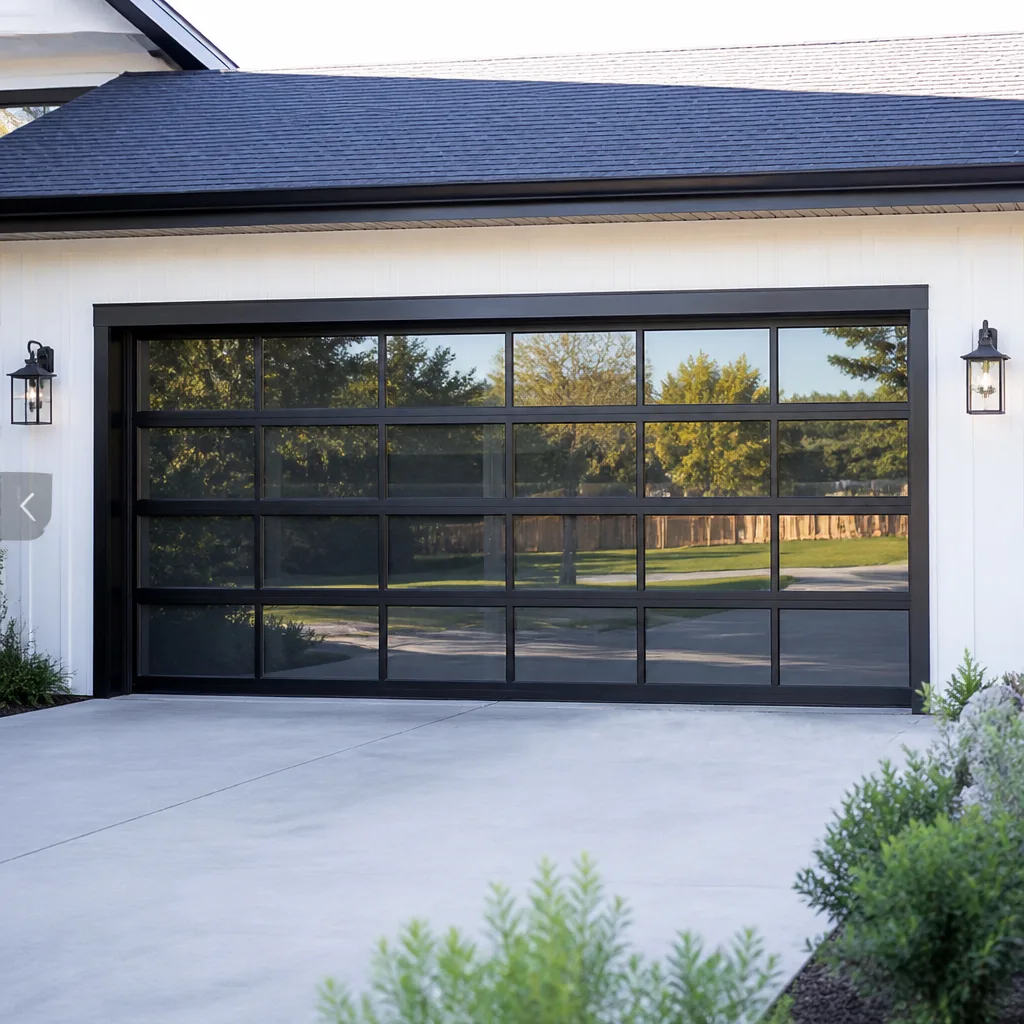 Full-view glass
 LiftMaster openers
 Chamberlain openers
Full 25-point door and opener safety check with every visit - springs, cables, rollers, tracks, and your LiftMaster or Chamberlain opener included
You get a price before we start. It does not change when the pro arrives.
Get your free estimateGarage Door Permits, Codes & Inspections in Georgetown, DC: What You Need to Know
Most homeowners assume a new garage door is a simple product swap. Pick a style, book the install, done. In Georgetown, that assumption can cost you real money. This neighborhood sits inside two overlapping layers of regulation: the DC building code and the Old Georgetown Historic District. A garage door replacement that would need zero permits in suburban Maryland can require a historic review just two miles away, and skipping that step can lead to a mandatory reversal order at your own expense. Replacing a door here without checking those requirements first is a code risk, not a shortcut. This guide walks you through exactly when a DC permit is required, how the Old Georgetown review process works, what “compatible with historic character” really means for your door, and how to find out if your property is contributing or non-contributing. We work on garage doors in Georgetown daily, and we’ve seen how much confusion surrounds this process, so we’re laying it out clearly.
Quick Answer
In Georgetown, DC, like-for-like garage door repairs and opener replacements generally don’t need a building permit, but a full door replacement or structural work on the opening usually does. If your property is in the Old Georgetown Historic District, exterior door changes also go through historic review, and that review can be handled at staff level or require a full public hearing depending on what you’re changing. The only way to know your specific path is to confirm your permit requirement with the DC Department of Buildings and your historic status with the Historic Preservation Office before ordering a door.
Styles & brands we work with
- Raised-panel steel
- Carriage house
- Modern flush
- Full-view glass
- LiftMaster openers
- Chamberlain openers
Table of Contents
- When does garage door work need a DC building permit?
- How does the Old Georgetown Historic District review work?
- What does “compatible with historic character” mean for your door?
- Is your property contributing or non-contributing?
- What happens at sale if unpermitted work surfaces?
- Step-by-step: how to plan a compliant Georgetown garage door project
- What does a garage door inspection cover?
- Common mistakes to avoid
- Frequently asked questions
When does garage door work need a DC building permit?
The permit threshold comes down to whether you’re maintaining what’s already there or altering the structure. DC building permits are typically required when the work changes the building envelope, the structural opening, or the means of egress, and are usually not required for routine maintenance and repair.
Here’s how that breaks down in practice for Georgetown homeowners:
- Usually no permit: Replacing a torsion or extension spring, swapping a broken opener, replacing rollers, hinges, cables, or weather seal, and general troubleshooting of a door that won’t close. These are repair and maintenance tasks on existing equipment.
- Often requires a permit: Replacing the entire door and its track system, enlarging or altering the rough opening, changing the header or framing, converting a manual door to an automated opener on a new circuit, or any work that changes the structural load path above the opening.
- Always worth a call: If your garage is attached and the door is part of a fire separation wall, or if you’re converting a garage to living space or back again. Those changes touch egress, fire separation and zoning, and the DC Department of Buildings will want to review them.
The important thing to understand is that DC’s code jurisdiction applies to every property in Georgetown regardless of historic status. Historic review is a second, separate layer that sits on top. Passing one doesn’t satisfy the other. When you call the DC Department of Buildings, ask specifically whether a door replacement in your situation requires a permit, and get the answer for your address and your scope of work. When you call the Historic Preservation Office, ask separately about historic review. Those are two different conversations, and both matter.
We handle a lot of garage door repair in Georgetown where no permit is involved at all, because a failed spring or a dead opener is a repair, not a construction project. The permit question only really surfaces on replacement and installation work. If you’re planning a full replacement, our garage door installation page covers the scheduling and measurement side of that process.
How does the Old Georgetown Historic District review work?
The Old Georgetown Historic District is one of the largest historic districts in the country, and it covers most of the residential blocks in the neighborhood. Any exterior alteration visible from a public street or public space in the district goes through review before work begins. For a garage door replacement, that means you can’t simply order a door and install it.
The review has two possible paths:
- Staff-level review. For changes that clearly fit within established guidelines, the Historic Preservation Office staff can approve the work directly. Straightforward replacements that match the existing door’s material, style, proportion and color often fall here. This is the faster path.
- Historic Preservation Review Board (HPRB) hearing. For changes that are more visible, more substantial, or that staff determines need board judgment, the application goes to the full board at a public hearing. Neighbors can comment. The board can approve, approve with conditions, or deny. This path takes longer and requires more documentation, which is why you want to know which one you’re on before you order anything.
Which path you land on depends on what you’re changing. A door that matches the existing opening’s dimensions, panel configuration and color is a different application than one that changes the style, the material, or the visible hardware. Historic review also looks at visibility. A garage door facing an alley is treated differently from one facing a residential street, and the Historic Preservation Office is the authority that makes that call, not us and not a contractor.
The practical point: start the historic review process before you sign an installation contract or place an order. A door that gets fabricated and delivered without approval can leave you with a stranded product and an application you can’t get through. In our experience, the homeowners who have the smoothest projects in Georgetown are the ones who treat historic review as step one, not an afterthought.
What does “compatible with historic character” mean for your door?
“Compatible with historic character” is not a slogan. It’s the standard historic review actually applies, and it comes down to a handful of concrete design decisions. Compatible doesn’t mean identical. It means the door fits the period and context of the building and the streetscape, rather than announcing itself as a modern addition.
Here’s what the review is typically looking at, and what you can think through in advance:
- Material. In Georgetown’s historic fabric, the most compatible doors respect the material tradition of the structure. A door that reads as a modern composite against a period facade is a different application than one that reads consistent with neighboring doors. Match what’s appropriate to your building, not what’s trending.
- Style and panel configuration. The proportions of the panels, the height of the rails, and whether the door reads as a traditional sectional or as a modern slab all matter. A flat, minimal-panel door can be a hard sell on a traditional Georgetown facade; a raised-panel profile is usually an easier fit.
- Color. Match what the building and the row call for. This is one of the easiest decisions to get right and one of the most common to get wrong, because a homeowner’s preference for a color can clash with the surrounding context. Ask what the neighbors have and what period-appropriate colors look like on your specific block.
- Visible hardware. Strap hinges, handles, and decorative hardware should match the period of the building. Modern-style hardware on a period door is the kind of mismatch reviewers notice. If your door won’t have visible hardware, that’s simpler.
- Windows. If your door has windows, the number, shape and placement are part of the design. A row of square windows reads differently than a row of arched ones, and the proportions need to work with the panel layout.
You will also be working with a manufacturer’s product line, and the good news is that the mainstream brands offer profiles that fit older architecture. Clopay, for example, makes traditional raised-panel and carriage-house style doors that read as period-compatible, and a carriage-style door is often an easier fit than a modern flush design. The best move is to bring photos of the existing door, the building, and the street elevation to your review conversation before you order. The Historic Preservation Office wants to see how the door fits the context, and they’ll tell you what’s moving in the right direction.
Is your property contributing or non-contributing?
Not every building inside the Old Georgetown Historic District carries the same status. Properties are classified as contributing or non-contributing, and that classification changes what you can do with a garage door. Getting this wrong is one of the most common delays in Georgetown projects.
Contributing properties are buildings that add to the historic character of the district. They generally have more design constraints, because the goal is to preserve what makes them significant. Non-contributing properties are buildings that don’t contribute to the historic character of the district, often because they were built later or have been substantially altered. In practice, the review for a non-contributing property usually has more flexibility, though the property is still inside the district and still subject to review for exterior changes.
How do you find out which one you are? Start here:
- Check the Historic Preservation Office records. The HPO maintains the district’s property documentation, and your property’s contributing status should be established there. This is the authoritative source.
- Look at the DC Office of Planning’s historic district documentation. The district survey materials often describe individual buildings and their status.
- Ask your neighbors who have done exterior work. Neighbors who have replaced a door or window on the same block know which review path their project went through, and that tells you something about your building’s classification.
- Confirm with the Historic Preservation Office directly. Before you order a door, ask them to confirm your status in writing or over the phone. A five-minute conversation can save a months-long detour.
Why does it matter this much? Because a contributing property that’s treated as non-contributing can end up with an approval you can’t use, or a door that has to come back down. The classification affects the design rigor the review applies to your application. We’ve seen homeowners in Georgetown start with the door choice and work backward to the review, and that’s the wrong order. Find your classification first, then choose the door.
What happens at sale if unpermitted work surfaces?
This is the part that catches people at the worst possible moment. If garage door work requires a permit and you did it without one, a discrepancy can surface during a DC title search or a home inspection when you sell. At that point, the ball is no longer in your court. In Georgetown specifically, unpermitted exterior work in the historic district can be even more sensitive, because the historic review requirement is separate from the building permit and can be flagged independently.
The consequences to expect:
- An inquiry from the buyer’s inspector or title company. A missing permit shows up as an open item. How the sale proceeds depends on the buyer’s tolerance for risk and their lender’s requirements.
- A mandatory reversal order from the Historic Preservation Office. If a door was installed in the historic district without review, HPRB can require that it be removed and brought into compliance, at the homeowner’s expense. This is not a hypothetical. It’s one of the reasons the historic review process exists.
- Delays and renegotiation. Even where the work itself was fine, a missing permit adds time and negotiation to a sale. Buyers and their agents treat unpermitted work in a historic district as a live risk.
- The cost of retroactive compliance. Getting a permit after the fact, or reopening a review, is more expensive than doing the process correctly from the start. You’re paying twice: once for the original work and again for the compliance effort.
The fix is simple and it’s all in the sequencing. Before you order a replacement door in Georgetown, confirm whether a permit is required, confirm your historic status, and route the project through the applicable review. Keep the paperwork. A clean paper trail is one of the most valuable things you can hand a buyer. It costs you a phone call or two and it protects your sale.
Step-by-step: how to plan a compliant Georgetown garage door project
Here is the sequence that keeps a garage door project on track in Georgetown, from the first decision to the final inspection.
- Confirm your property’s historic status. Contact the DC Historic Preservation Office and confirm whether your property is contributing or non-contributing and whether it sits within the Old Georgetown Historic District. This is the first call, before you choose a door.
- Confirm whether your scope requires a building permit. Contact the DC Department of Buildings and describe the specific work: door replacement, opener conversion, structural changes, or repair. Get a clear yes or no for your address and scope.
- Talk through design compatibility with the Historic Preservation Office. Bring photos of the building and the street elevation. Ask what material, style, color and hardware will review well on your block, and ask which review path they expect for your project.
- Choose the door and get written specifications. Once you know the design constraints, choose a door that fits them. Work with a manufacturer line that has period-compatible profiles. Your written specifications should include style, material, color, panel layout and hardware.
- Submit the historic review application, if required. If you’re in the historic district, file the application before ordering. If your project can be handled at staff level, do that. If it needs the board, submit with the documentation the staff asks for.
- Obtain the building permit, if required. With the historic review in motion or approved, apply for the DC building permit for the scope of work that requires one. For installation work, our garage door installation team can work alongside whatever measurements and specs your permit requires.
- Schedule the installation. Measure, order and schedule the work once the approvals are in hand. Replacement work is measured and scheduled; it is not a same-day service, so build the timeline around the approvals, not the other way around.
- Complete the inspection, if required. If the permit includes inspections, have the work inspected before you consider the project closed. Keep every document: the permit, the review approval, the inspection record and the door’s specifications.
If your door fails in the middle of all this and you need it working again, a repair to the existing door is a different scope from a replacement. That’s where our garage door repair team comes in, and where our garage door opener repair work comes in if it’s the opener that’s failed. Repairs on existing equipment generally don’t trigger the permit and review questions that a replacement does.
What does a garage door inspection cover?
A garage door inspection is not just a visual once-over. A proper inspection looks at the mechanical system, the safety systems, and the way the door interacts with the opening and the structure around it. Whether it’s a permit-driven inspection after installation or an annual check, the components are largely the same.
Here’s what an inspection should cover:
- Springs and cables. Condition, tension, wear and signs of fatigue. On torsion systems, the cables and drums are checked at the same time. Springs and cables are the most dangerous components on the door, and a proper inspection takes them seriously.
- Track and rollers. Alignment, wear, loose fasteners, and whether the track is true through the full travel of the door. Bent track is a common cause of doors that bind or come off their rollers.
- Panel and section condition. Cracks, dents, material damage, and alignment at the hinges. The panels need to move together, and misalignment puts stress on the whole assembly.
- Hinges and hardware. Tightness, wear, and whether the hardware is appropriate for the door. Loose hinges are a common source of noise and premature wear.
- The opener and its safety features. The reversing mechanism, the safety sensors, the force settings, and the manual release. If the door is automated, the opener’s safety systems are part of the inspection.
- Balance and travel. Whether the door opens and closes smoothly and stays balanced. A door that doesn’t balance is a door that’s straining the opener.
- Weather seal and the opening itself. Seal condition and whether the door sits correctly within the opening. This is also where the inspector sees the framing and the header.
If you’re selling a property and need a clear picture of the door’s condition before inspection, or if you’ve noticed something that doesn’t seem right, a professional inspection is the right call rather than speculation. We can take a look and tell you honestly what needs attention, and what doesn’t.
One note on safety here, and it’s important. Garage door springs and cables are under extreme tension. This is not a component to adjust or replace yourself. The stored energy in a torsion spring can cause serious injury in an instant, and the tools and technique required are not something we’d ever recommend a homeowner take on. If a spring breaks or a cable goes slack, stop operating the door and call. Our technicians have up to 10 years of experience, and spring repair is a core specialty for us, not a side job. We’d rather repair it correctly than talk you through something that could hurt you.
Common Mistakes to Avoid
- Ordering the door before checking historic review. This is the most costly sequencing error in Georgetown. A door that gets fabricated and delivered before approval can leave you with a product you can’t install legally, and a review you can’t reverse your way out of.
- Assuming a repair needs the same process as a replacement. Routine repairs usually don’t trigger the permit and review requirements that a full replacement does. But a homeowner who assumes everything is exempt can skip a review that was actually required. Match the process to the scope of work, not the other way around.
- Misunderstanding contributing versus non-contributing status. Treating a contributing property as non-contributing, or the reverse, can lead to an application that doesn’t fit the design rigor the review applies. Confirm your status before you choose a door.
- Designing for preference instead of compatibility. A door that looks great in a showroom catalog can clash with a Georgetown facade. Material, panel profile, color and hardware all matter to the review, and the surrounding context matters too.
- Skipping the building permit on a replacement or structural change. Historic review doesn’t replace a DC building permit. They’re separate requirements, and passing one doesn’t satisfy the other.
- Losing the paperwork. Keep the permit, the review approval, the inspection record and the door specifications together. When you sell, that package is your proof that the work was done properly.
- Treating the historic review as a formality you’ll handle later. The review can take the staff path or the board path, and the board path includes a public hearing. Planning around a quick turnaround is how projects get stuck.
See the difference
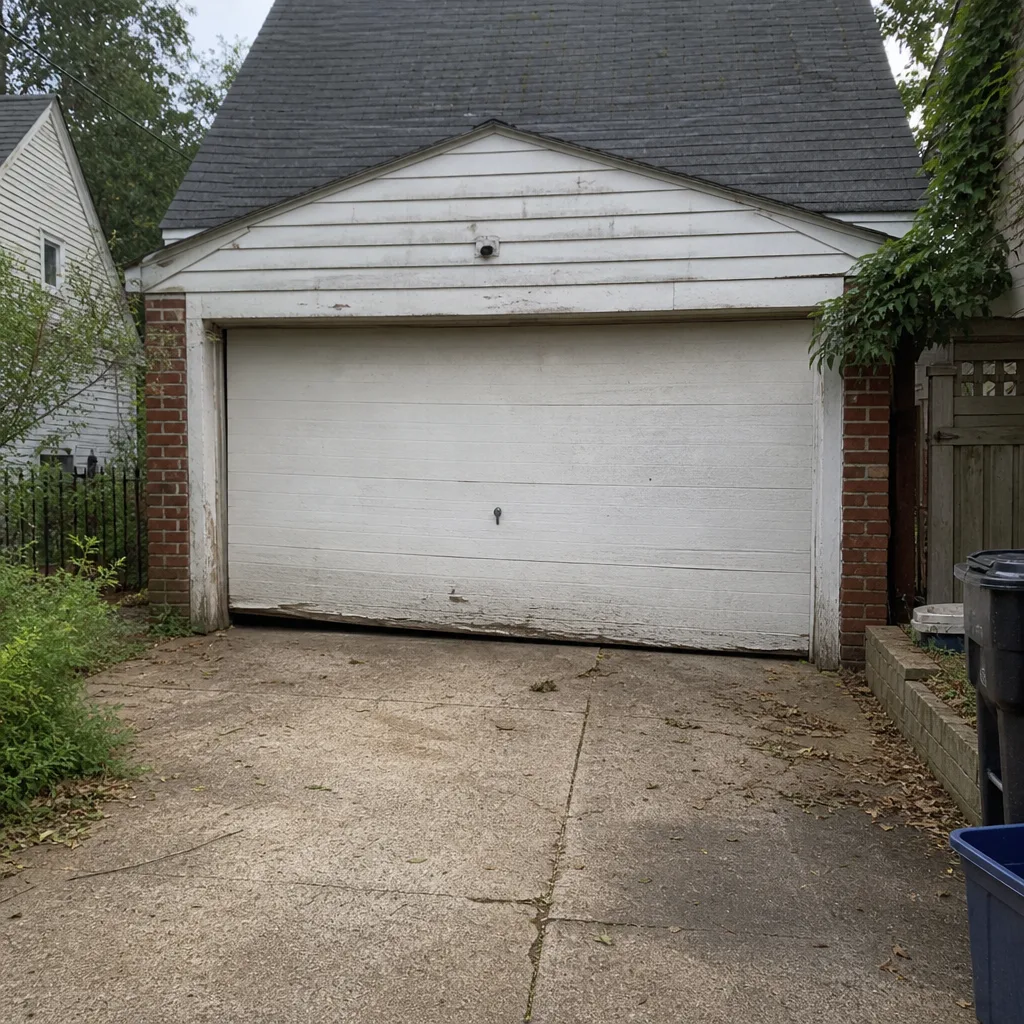 Before
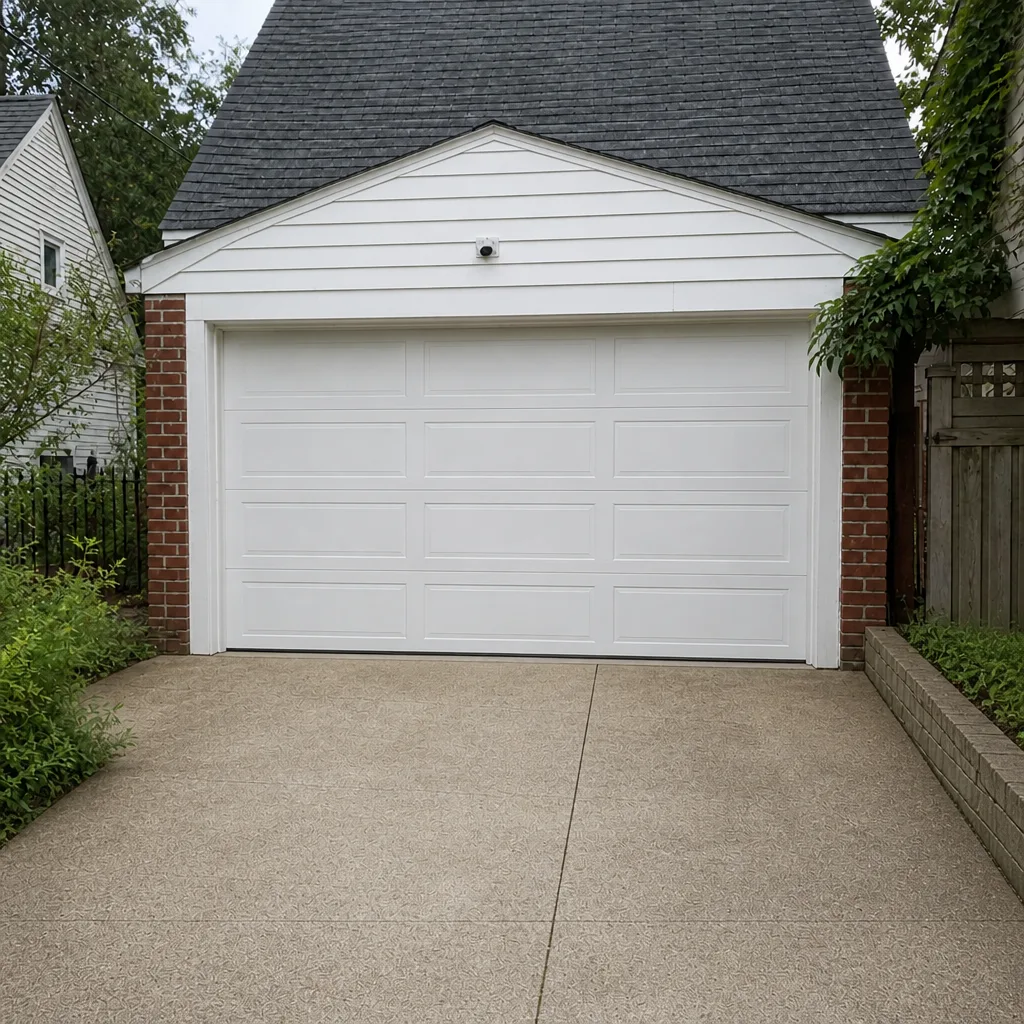 After
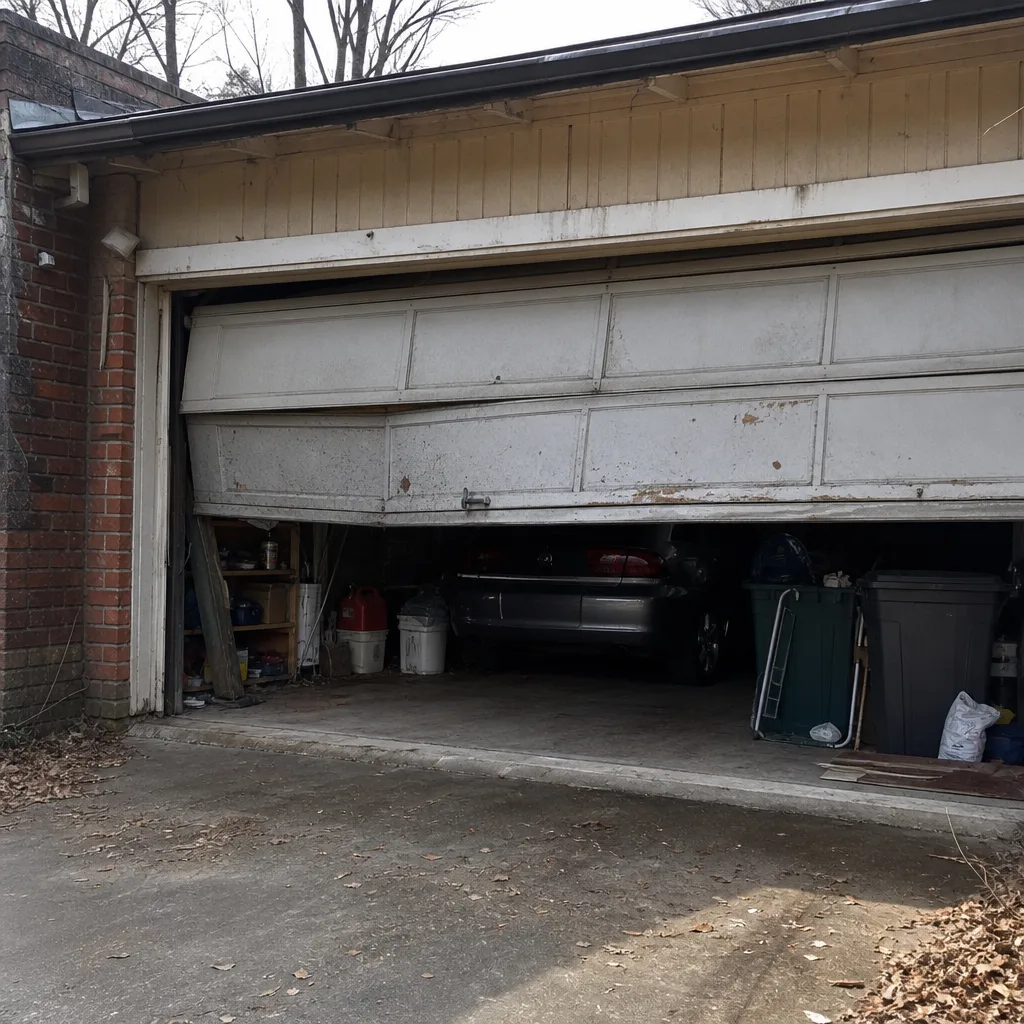 Before
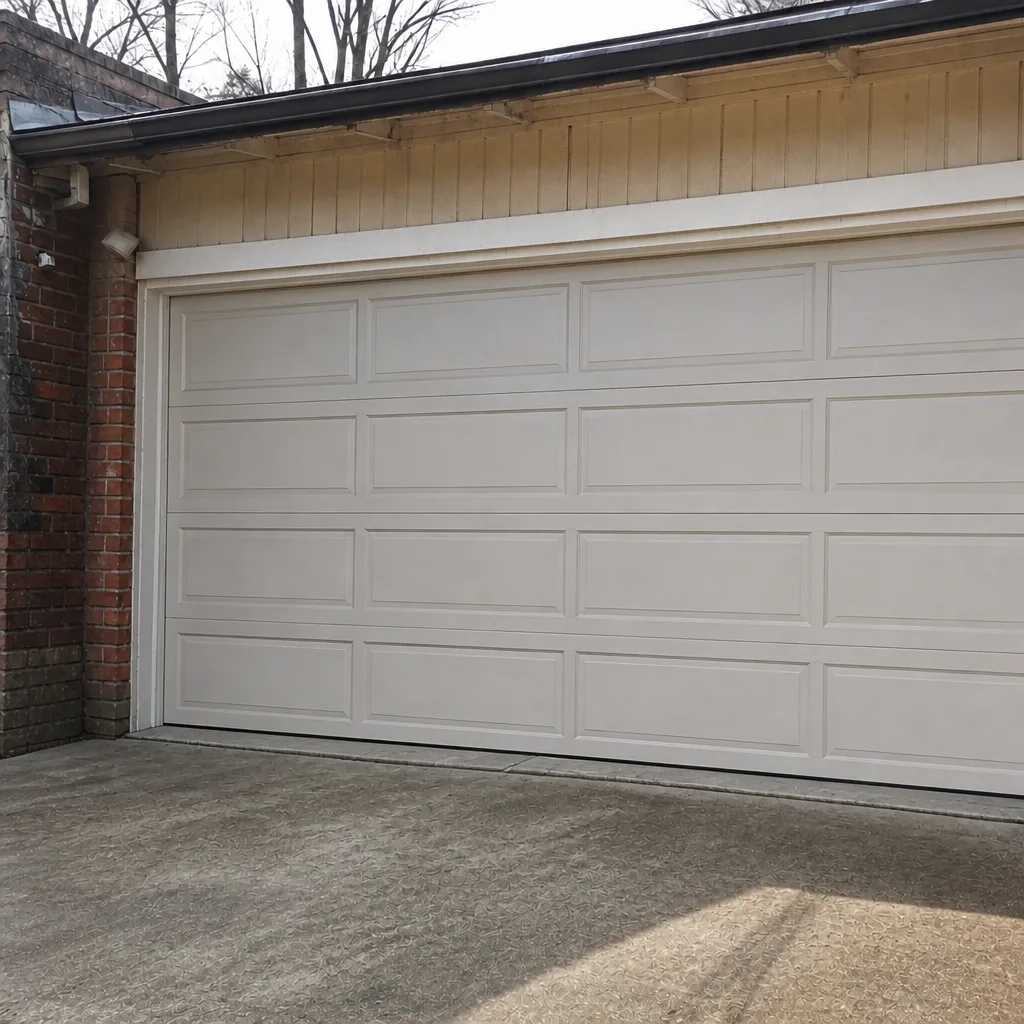 After
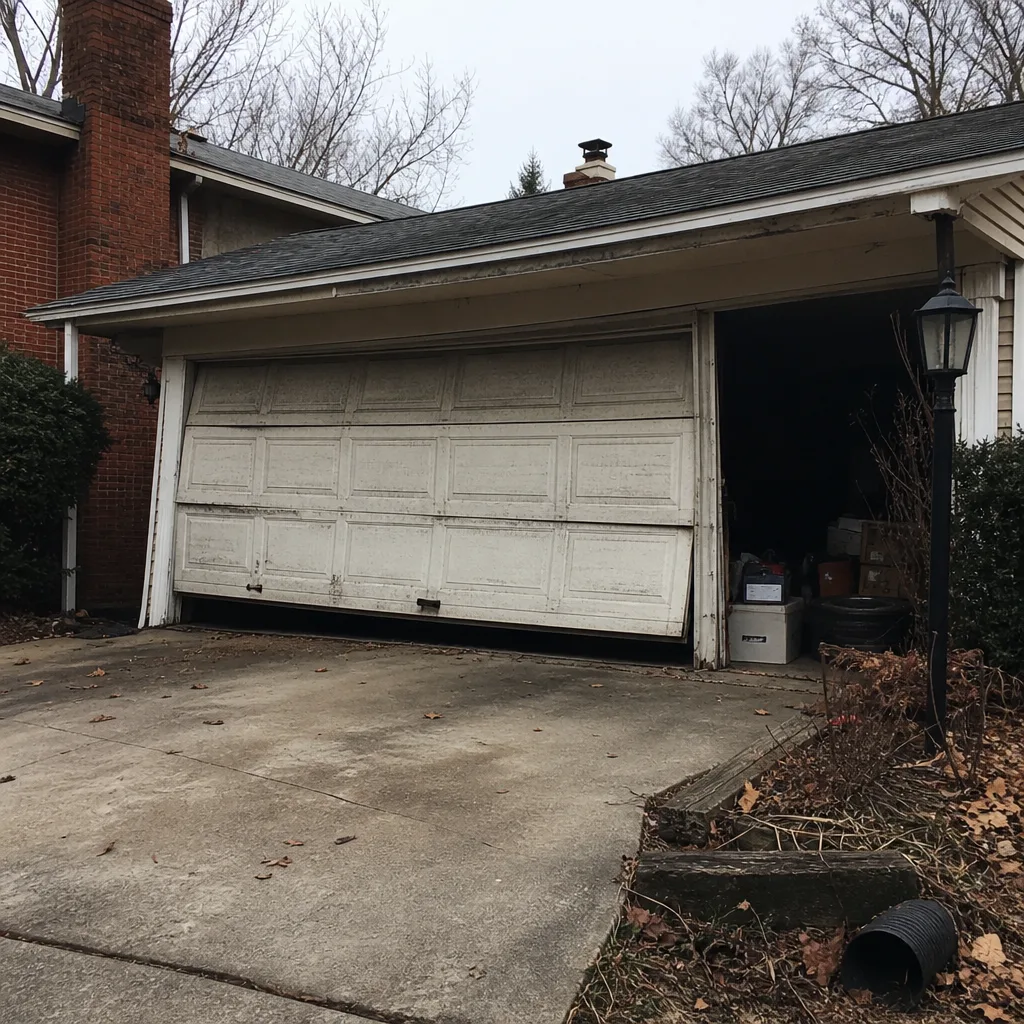 Before
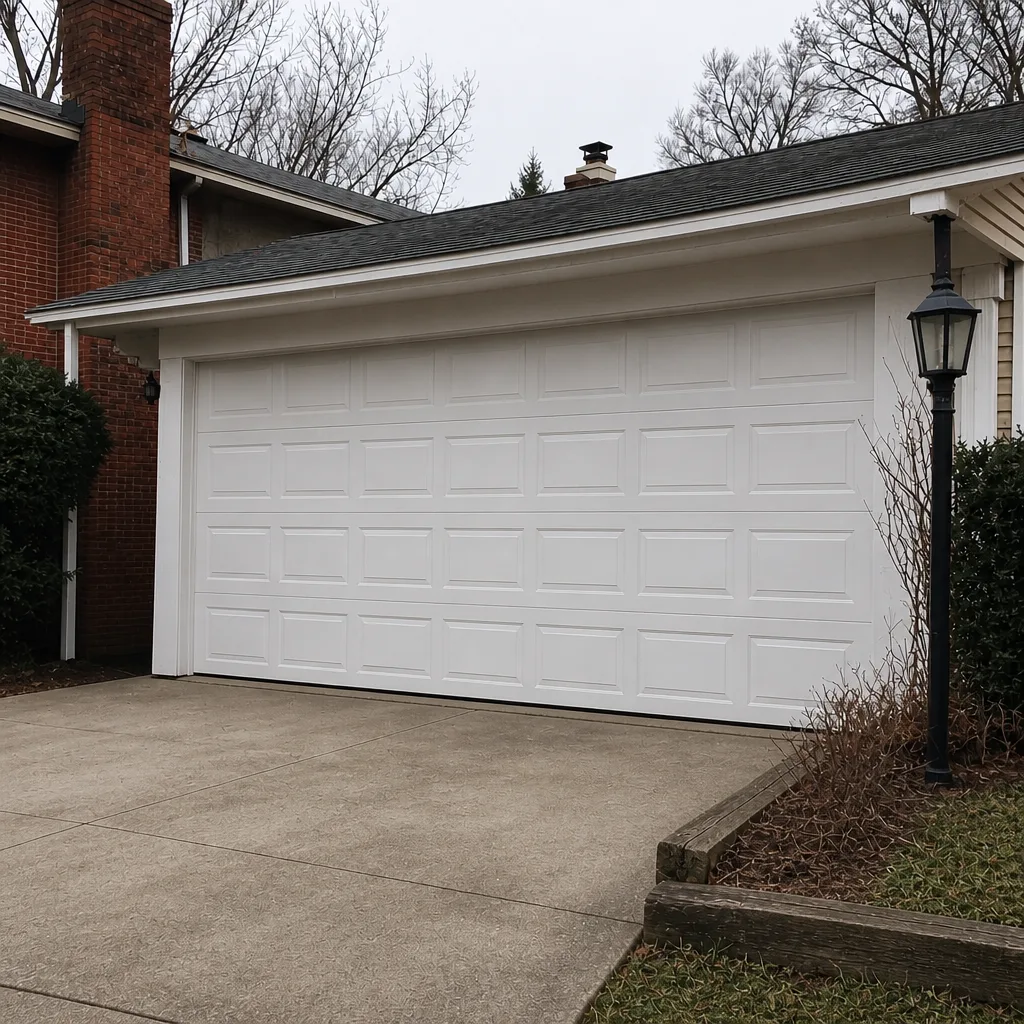 After
When to Call a Professional
Some garage door situations are straightforward to describe but not straightforward to handle safely, and the historic and permit questions are separate from the mechanical ones. Call a professional when a spring breaks, a cable goes slack, a door comes off its track, or an opener stops working and traps a car. Call when the door won’t stay down, reverses without warning, or opens unevenly, because those are safety-system issues. Call before you order a replacement door in Georgetown, so the review and permit questions get sorted in the right order. And call if you’ve just bought a property and you’re not sure whether the door was installed properly.
Georgetown Garage Door Repair Pros offers free estimates in Georgetown. We work on equipment from LiftMaster, Chamberlain, Genie, Clopay, Amarr, Wayne Dalton, Craftsman and Raynor, so there’s no “we don’t work on that brand” dead end. Whether it’s your opener, your springs, or the door itself, we can tell you what’s going on and what it takes to fix it. Call (877) 676-2031. We answer 24/7. Fast dispatch from 7am to 7pm, Sunday through Friday. Estimates are free, and the written estimate sets the price before any work starts, so there are no surprises on the invoice.
Frequently Asked Questions
Often yes. A full door replacement or work that changes the structural opening typically requires a DC building permit, while repair and like-for-like maintenance usually does not. Confirm with the DC Department of Buildings for your address and your specific scope of work before ordering, and remember that if your property is in the Old Georgetown Historic District, historic review is a separate requirement on top of the permit. Call (877) 676-2031 for an exact quote on the installation side once your approvals are sorted, and estimates are free.
Not every project, but any exterior alteration visible from a public street or public space inside the Old Georgetown Historic District goes through review before work begins. Whether you land at staff level or need a full HPRB hearing depends on your property’s status and what you’re changing. Confirm with the DC Historic Preservation Office before you order a door. Our team can help you understand the mechanical side of the project once the review path is clear. Call (877) 676-2031 to talk through your options.
Check with the DC Historic Preservation Office, which maintains the district’s property documentation and your building’s classification. You can also look at DC Office of Planning historic district documentation and ask neighbors who have done exterior work on the same block. Confirm your status before you choose a door, because it changes how much design flexibility the review will give you. Call (877) 676-2031 if you want to talk through what the classification means for your project.
Yes, in almost all cases. Spring replacement, cable repair, opener work and general maintenance on existing equipment are repairs rather than construction, and they generally don’t trigger the permit and historic review requirements that a replacement does. That said, spring repair is genuinely dangerous and should be left to a trained technician. Our technicians have up to 10 years of experience and spring repair is a core specialty for us. Call (877) 676-2031 for an exact quote, and estimates are free.
It can surface during a DC title search or a home inspection, and it becomes a negotiation item for the buyer and possibly a condition from their lender. In the historic district, unpermitted exterior work can also result in a mandatory reversal order from HPRB at the homeowner’s expense. The best protection is to route replacement work through the proper review and permit from the start and keep the paperwork. Call (877) 676-2031 if you want help understanding what your project needs.
In practice, yes. Historic review applies a compatibility standard to material, panel configuration, color and visible hardware, and the goal is a door that fits the building and the streetscape. A traditional raised-panel or carriage-style door is generally an easier fit on a period Georgetown facade than a modern flush design, and we can work with Clopay and other manufacturer lines that offer period-compatible profiles. Call (877) 676-2031 to discuss your door options, and estimates are free.
The Bottom Line
Garage door work in Georgetown is regulated in two layers, and the second one is easy to miss. A DC building permit is required for replacement and structural work but usually not for repairs, while the Old Georgetown Historic District review applies to exterior door changes on top of the permit question. Your property’s contributing or non-contributing status changes how much design flexibility the review gives you, and compatibility means material, style, color and hardware that fit the building and the block. Get the order right: confirm status, confirm permit, confirm review path, then choose the door. When you’re ready to talk about the installation or handle a repair, call (877) 676-2031 for a free estimate. We work on your brand, whether it’s LiftMaster, Chamberlain, Craftsman or Raynor, and the written estimate sets the price before any work starts.
Written by the team at Georgetown Garage Door Repair Pros.