
Last updated November 21, 2026
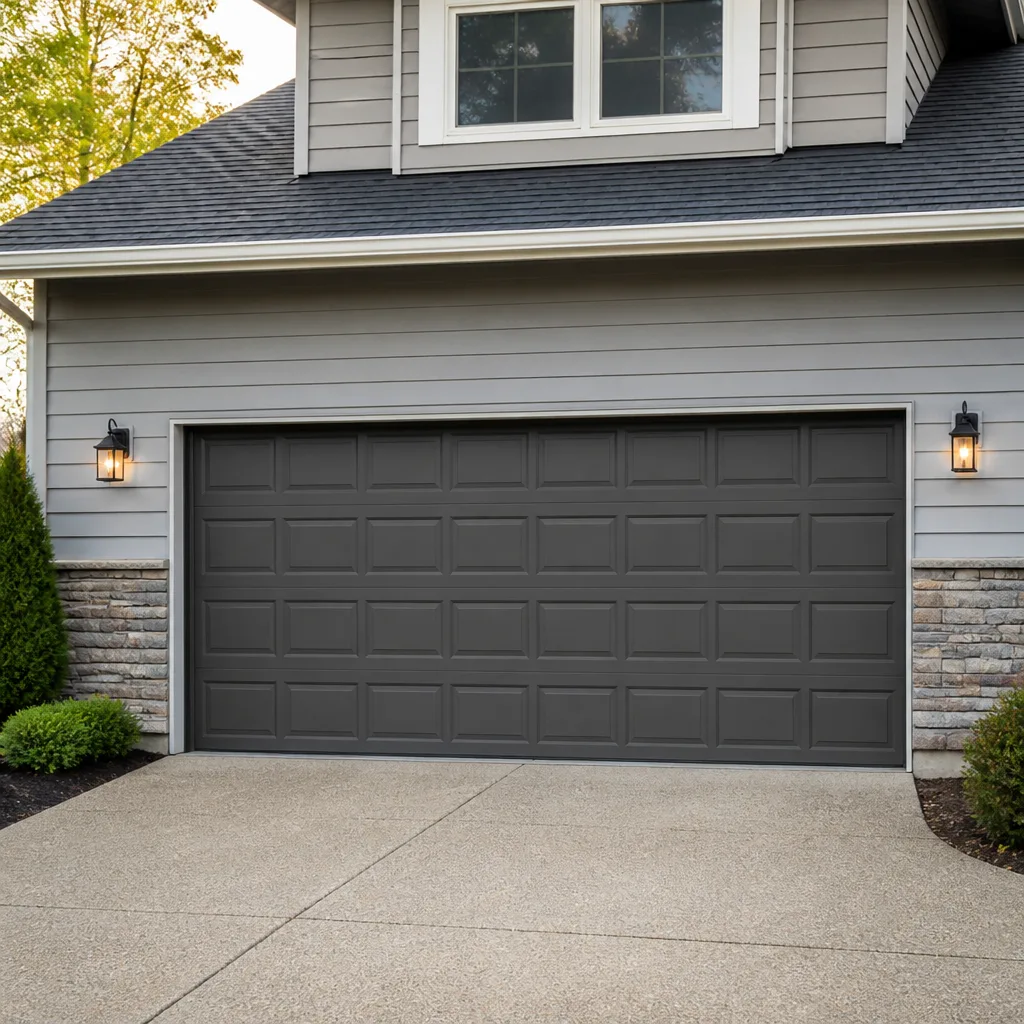 Raised-panel steel
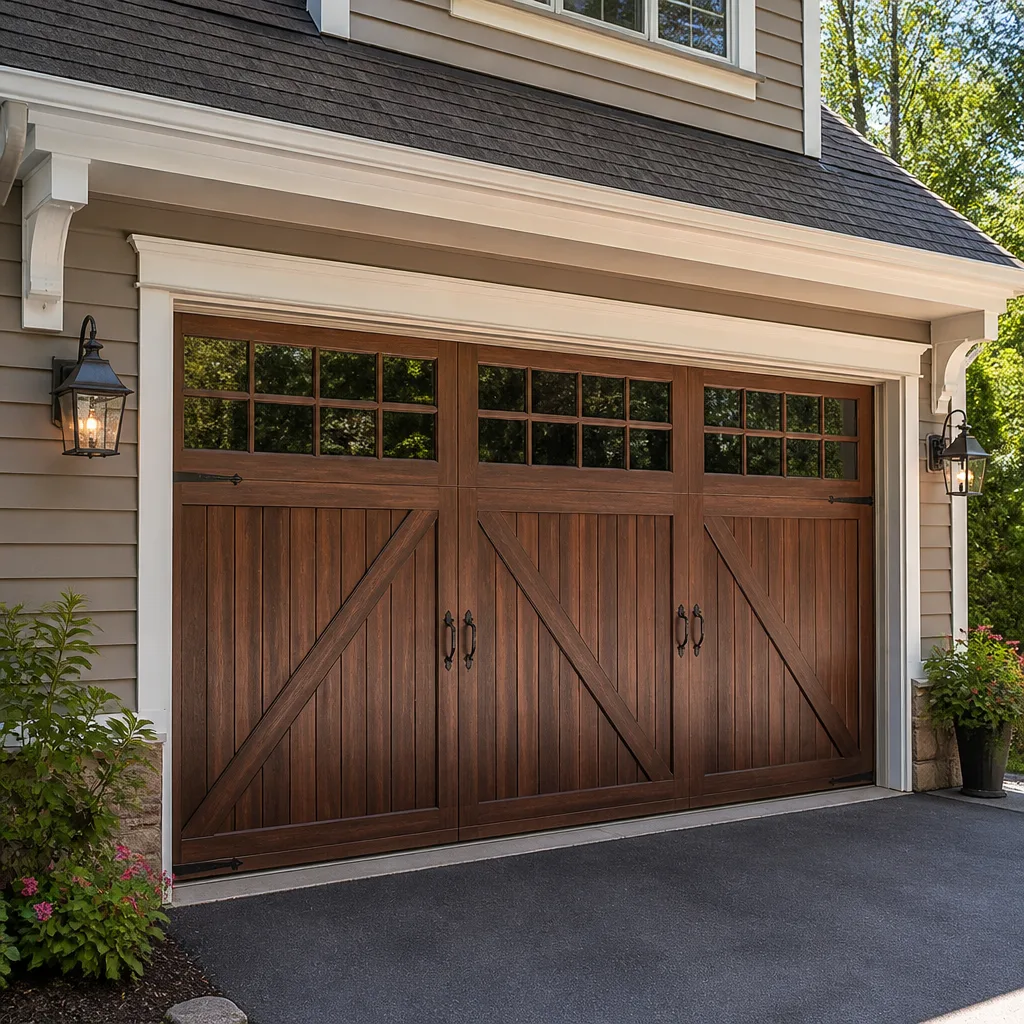 Carriage house
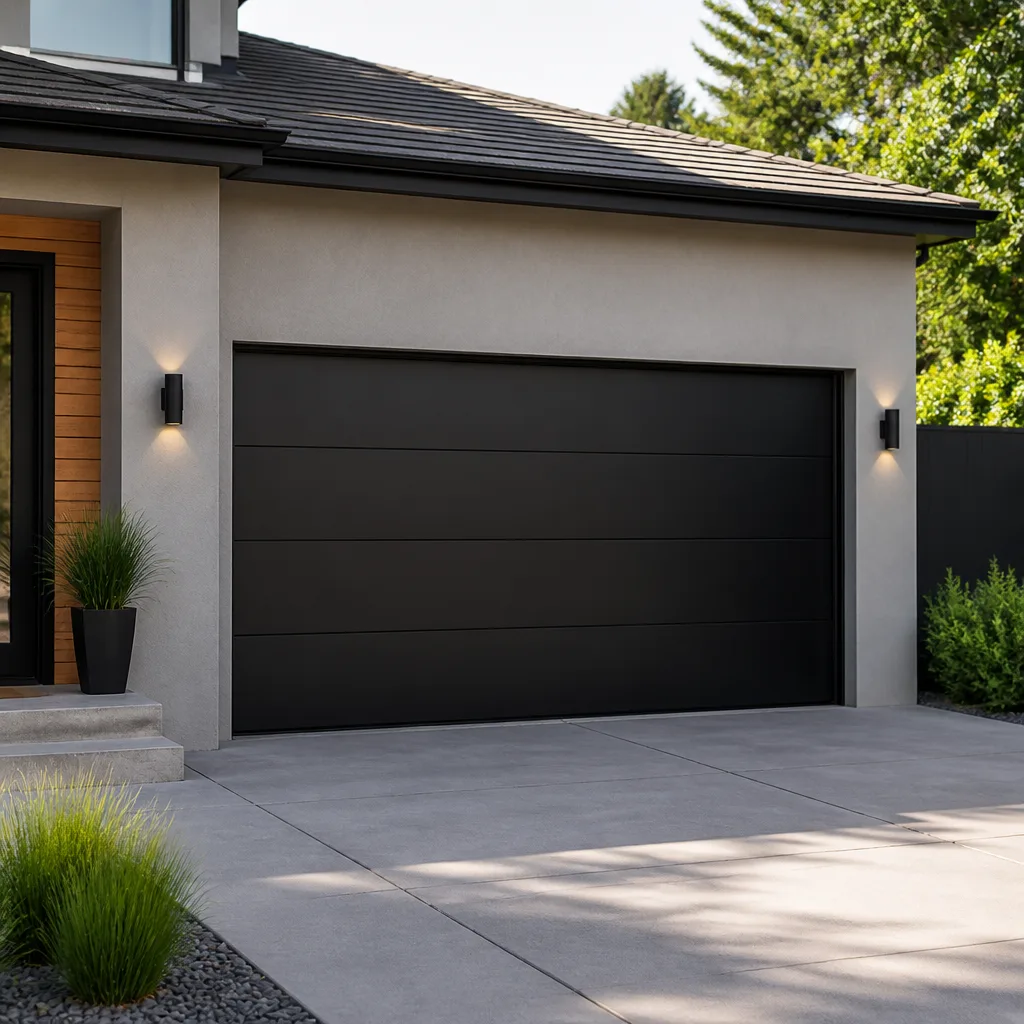 Modern flush
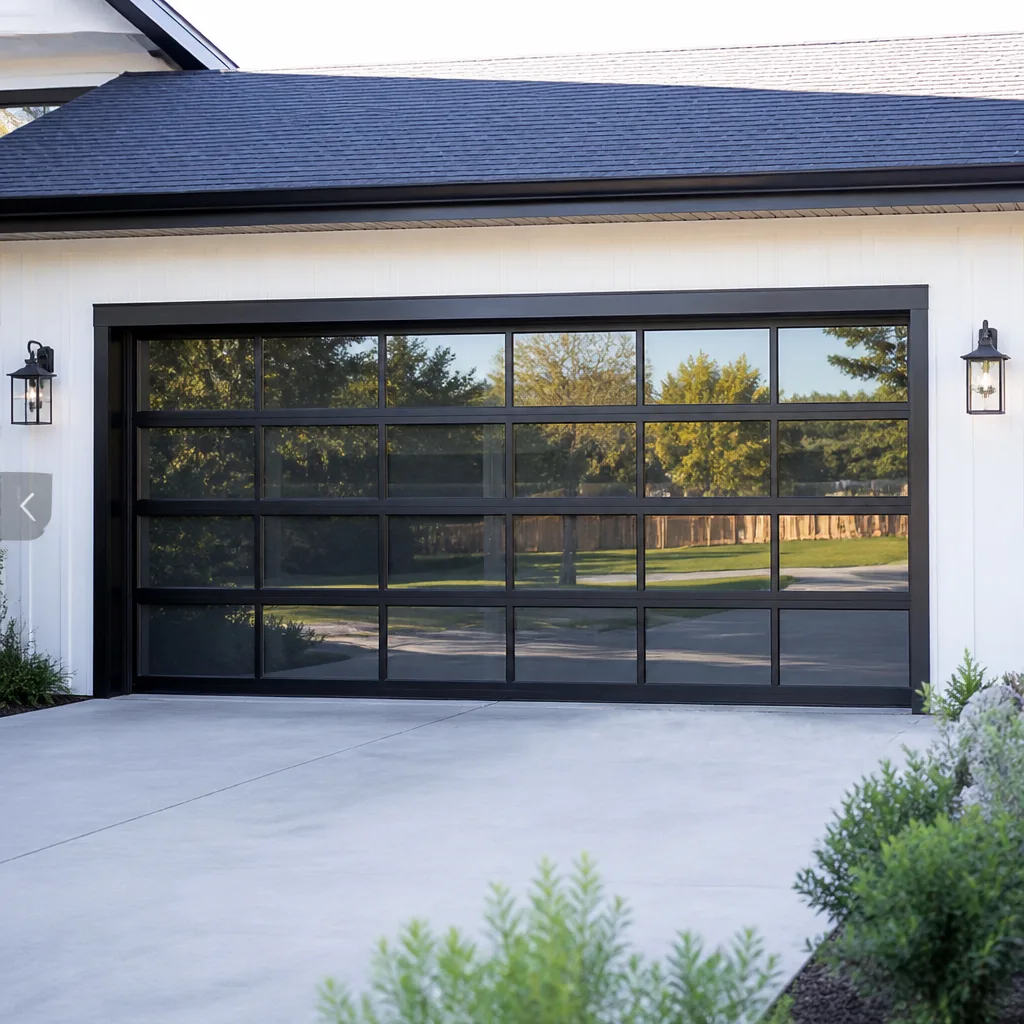 Full-view glass
 LiftMaster openers
 Chamberlain openers
Full 25-point door and opener safety check with every visit - springs, cables, rollers, tracks, and your LiftMaster or Chamberlain opener included
You get a price before we start. It does not change when the pro arrives.
Get your free estimateGarage Door Repair Maintenance Checklist for Georgetown Homeowners
Most Georgetown homeowners assume springs break because they get old. In our experience, the bigger culprit is what blows into an alley garage between November and March: grit, road salt residue, and the fine dust that settles into every hinge, roller and bottom seal. That mix works its way into moving parts, dries out lubricant, and puts extra strain on the torsion system every time the door cycles. A checklist built for a suburban garage won’t catch it. This guide is calibrated to the conditions Georgetown doors actually live in. You’ll get a task-by-task maintenance schedule organized by frequency, the inspection points that matter most for alley garages, lubrication guidance for both spring systems, a five-minute balance and reversal test, and the red flags that mean maintenance stops and a technician starts.
Quick Answer
A working maintenance checklist for a Georgetown garage door covers four things: monthly lubrication of hinges, rollers and the torsion bearing plate with a non-attracting silicone or lithium spray; a monthly visual check of springs, cables and the bottom seal; a seasonal balance and reversal test; and one annual deep inspection of the whole system. Replace the bottom seal before it crumbles, keep alley grit out of the tracks, and stop the checklist at anything involving springs or cables. Those are technician work.
Styles & brands we work with
- Raised-panel steel
- Carriage house
- Modern flush
- Full-view glass
- LiftMaster openers
- Chamberlain openers
Table of Contents
- Why Georgetown Doors Age Differently
- The Monthly Checklist
- The Seasonal Checklist
- The Annual Checklist
- Alley Garage Bottom Seal Inspection
- Lubrication: Torsion vs. Extension Spring Systems
- The Five-Minute Balance and Reversal Test
- Red Flags That Mean Stop and Call
- Common Mistakes to Avoid
- When to Call a Professional
- Frequently Asked Questions
Why Georgetown Doors Age Differently
Georgetown’s housing stock creates maintenance conditions you won’t find in newer suburbs. Many homes here sit on narrow lots with a rear alley garage, which means the door faces an unpaved or gravel-surfaced approach that throws grit, leaf matter, and winter road treatment debris directly onto the seal and into the bottom track. Front-facing garages let that debris settle on the driveway instead. An alley door catches it every time a car rolls in.
Then there’s the humidity. Georgetown sits in a river-adjacent climate with summer dew points that climb high enough to leave condensation on cold metal every morning. Every cycle of damp and dry works against lightly oiled moving parts. Combine that with the freeze-thaw swing from December through February, when the ground heaves and the door’s threshold shifts slightly, and you have three forces working against the same piece of equipment: grit from the alley, moisture from the air, and ground movement from the frost.
What that means practically is that a Georgetown door needs attention more often in the autumn and winter than a door in a drier climate. The fall is when you want to prepare the moving parts for the wet season. The winter is when you’re watching for seal damage and track shifting. Spring is when you clear out the grit that accumulated. Summer is when you do the deeper work. This seasonal rhythm is the backbone of the checklist that follows.
If any task in this guide is beyond what you’re comfortable doing, our garage door repair service covers everything from a single hinge to a full system evaluation, and the diagnosis is honest about what actually needs to happen versus what can wait.
The Monthly Checklist
Monthly maintenance takes about fifteen minutes and prevents most of the small failures that turn into expensive ones. These are the tasks you can and should do yourself. Work through them in order.
- Lubricate hinges, rollers and the torsion bearing plate. Use a silicone spray or white lithium grease. Avoid anything that stays wet and tacky; DC humidity turns sticky lubricant into a grit magnet.
- Wipe down the tracks with a dry cloth. Don’t use grease or oil on the tracks. Debris gets in and needs to come out; lubricant on the tracks just holds it there.
- Inspect the springs visually. Look for gaps, sagging, or visible separation from the end of the spring coil. Don’t touch them. Just look.
- Check the bottom seal for cracks, tears and compression. If a section compresses permanently and doesn’t spring back, it’s done.
- Look at the cables for fraying or slack. Cables should be taut and straight. Any visible damage means a call.
- Test the wall-mounted opener button and one remote. Both should respond immediately with no delay or hesitation.
- Check the reversal function. Place a piece of wood on the floor in the door’s path and close the door. It should reverse on contact. (More detail in the test section below.)
Monthly work is the foundation. It catches maybe 70% of developing problems before they become emergency calls. What it doesn’t do is diagnose spring fatigue, cable wear at the drum, or opener logic issues. That’s what the seasonal and annual checklists are for.
The Seasonal Checklist
Seasonal maintenance happens four times a year and adds depth the monthly tasks skip. These are the checks that require stepping back and observing the whole system, not just individual parts. In Georgetown’s climate, autumn and winter checks deserve the most attention.
Fall (September – November)
Prepare the door for the grit season. Clear the debris from the driveway approach and the bottom track channel. Inspect the bottom seal closely, because this is the time of year it starts taking real abuse from leaf matter and road grit tracked in from the alley. Test the opener’s force settings if your model has adjustable limits. Do a full lubrication pass and don’t skip the torsion bearing plate if your system has one.
Winter (December – February)
Freeze-thaw is the enemy. Check that the door still opens smoothly after the first hard frost. Look for any hesitation or groaning at the track. Watch the bottom seal: this is when compressed seals fail and cold air enters. Clear snow and ice from the threshold before opening the door; a frozen threshold can stress the springs on the first cycle.
Spring (March – May)
Clear out the winter grit. Flush the tracks with a soft brush and dry cloth. Wash the bottom seal. Do a full lubrication pass again, focusing on hinges and rollers that saw the most winter abuse. Check the cables and the drum ends for wear from the season. Run a full balance test.
Summer (June – August)
Humidity is highest. Verify the lubricant isn’t running or gumming up. If hinges feel sticky or stiff despite recent lubrication, the product isn’t right for DC summer humidity and needs to be switched. Check weatherstripping along the sides and top for gaps from heat expansion. Test the opener’s reversal one extra time.
Seasonal maintenance on a Georgetown door is worth the fifteen to twenty minutes per season because it prevents the two most common cascade failures: a failed bottom seal leading to a frozen threshold leading to a broken spring, and a stuck hinge leading to a bent track leading to a car trapped in an alley. Both are more expensive than the maintenance.
The Annual Checklist
Once a year, typically in fall before the winter season, step back and assess the whole system. Some of these tasks overlap with seasonal work; the difference is depth. This annual pass is where a homeowner starts to see whether the maintenance program is working or if the hardware is genuinely reaching end of life.
- Run a full balance test. (Detailed steps below.) Note any drift, uneven pull or difficulty holding position.
- Test the reversal sensitivity under load. A light object test may pass while a real obstacle wouldn’t; check response when the door is partially loaded.
- Inspect all hinges, rollers and the torsion bearing plate for wear. Hinges that have elongated mounting holes need replacement. Rollers that are flat on one side need replacement.
- Look for track misalignment. Stand at the door and look along the vertical track line. Both tracks should be parallel, not bowed or flaring.
- Check the opener rail and chain (or belt) for tension and wear. Slack chains skip. Worn belts fray.
- Inspect the safety sensors. Clean the lenses. Verify the alignment indicator shows ready. Verify the closing cycle responds to a hand-blocked beam.
- Review panel condition. Look for dings, dents, corrosion at seams, and separating panel edges. Panel condition tells you whether repair is still the right call or whether the door is approaching replacement.
If your door bears a brand name like Clopay, Amarr, or Wayne Dalton, note the model when you can find it – it helps when you do need parts or a technician. We work with all three of those manufacturers, along with LiftMaster, Chamberlain, Genie, Craftsman, and Raynor systems, so there’s no wrong answer here.
Alley Garage Bottom Seal Inspection
If your garage opens onto a Georgetown alley, your bottom seal takes a beating that a front-facing door never sees. Alleys here carry everything from gravel road dust to leaf litter to winter road grit, and it all gets thrown onto the bottom seal every time a vehicle rolls in and the door closes. The seal is the flexible rubber strip along the bottom of the lowest panel; it’s what makes the door weathertight and what absorbs contact stress on close.
Inspect it this way:
- Stand inside the closed door and look for daylight. Any light at the base means the seal has lost compression or torn.
- Run a hand along the seal from one end to the other. Feel for flat spots where it’s permanently compressed, hard edges where the rubber has dried and split, and gaps where it has pulled away from the panel.
- Check for grit embedded in the seal. Small stones and grit trapped in the rubber abrade it every cycle and will shred it faster than anywhere else on the door.
- Look at the panel edge that holds the seal. If the retainer is bent or corroded, the seal won’t sit right no matter how good the rubber is.
For alley garages, expect to inspect the bottom seal every month and replace it more often than a front-facing door would need. It’s a simple, inexpensive part. What’s expensive is the secondary damage: a failed seal lets water and grit into the door aperture, and once the threshold freezes with the seal compromised, the bottom panel takes load on the first upward cycle of the day. That’s when spring and panel problems start.
Lubrication: Torsion vs. Extension Spring Systems
Lubrication matters differently depending on which spring system your door has. Torsion systems mount the springs horizontally above the door on a steel shaft; extension systems mount two springs vertically along the tracks. Most newer doors in Georgetown are torsion, but plenty of older homes still run extension, and both types reward correct lubrication.
Torsion Systems: Lubrication Points
The torsion system has specific moving friction points. Approach these in this order:
- Hinges: one drop or short spray at each hinge pivot. Wipe excess; don’t leave drips.
- Rollers: lubricate at the bearing, not the wheel. Roller bearings wear from lack of lubrication more than wheel contact does.
- Torsion bearing plate: the plate that holds the torsion shaft at each end needs a small amount of white lithium grease where the shaft rotates. This is the single most overlooked lubrication point on a torsion door.
- Drum: light lubrication only at the cable contact point. Do not apply lubricant to the spring coil itself.
- Opener rail and trolley: per manufacturer guidance; most openers specify a light grease, not silicone.
Do not lubricate the spring coils themselves. Grease on a coil traps grit and prevents the coil from unwinding evenly. The spring is meant to run dry.
Extension Systems: Lubrication Points
Extension systems have different points:
- Pulley sheaves: one drop of light oil at each pulley bearing.
- Cam and pivot points at the top of the door: light lubricant.
- Extension spring ends: light oil at the top and bottom attachment points, not on the coils.
- Hinges and rollers: same as torsion.
Product Choice for DC Humidity
For Georgetown’s summer humidity, choose silicone spray or a dry lithium grease. Avoid heavy automotive greases and anything described as “tacky” – those products hold their shape but attract grit, and in a humid climate the grit sticks. Reapply every thirty days in the wet season and every forty-five in dry. A door that needs lubricating more often than that is telling you a hinge or roller bearing is worn and needs replacement rather than more grease.
If you’re not sure which system your door has, look for the horizontal shaft above the door (torsion) versus vertical springs running alongside the tracks (extension). When in doubt, stop the lubrication work and have it identified during a maintenance visit.
The Five-Minute Balance and Reversal Test
Two simple tests tell you more about the health of your door than any visual inspection. Do them monthly, and note the result over time; drift matters more than any single reading.
Test 1: The Balance Test (3 minutes)
- Disconnect the opener. Pull the manual release cord, typically a red handle hanging from the opener trolley. The door should now move by hand.
- Open the door to about waist height. Lift it about halfway and let go.
- Watch what happens. A balanced door holds position or drifts less than a foot. A door that slams down or drifts upward on its own is out of balance.
- Repeat at halfway open (about chest height) and three-quarters open. Note any point where the door wants to run.
- Reconnect the opener. Pull the release again to re-engage the trolley.
What the result tells you: consistent drift in one direction usually means spring tension has shifted – springs lose tension over time, and an out-of-balance door is straining the opener and the springs on every cycle. Severe drift or refusal to hold position means a spring is failing. Both of those are stop-and-call situations, not DIY fixes.
Test 2: The Reversal Test (2 minutes)
- Place a roll of paper towels or a piece of 2×4 lumber flat on the floor directly under the middle of the closed door.
- Press the wall button to close the door.
- Watch closely. The door should contact the object and immediately reverse to fully open. Any hesitation, any continued downward pressure, any failure to reverse means the safety system is not working.
- Also test the photo-eye sensors. With the door open, wave a hand through the beam while pressing close. The door should stop and reverse immediately.
- Note the sensitivity. If the door barely touches the object before reversing, sensitivity is too high. If it crushes the object before reversing, sensitivity is too low.
What the result tells you: a door that fails either test has a safety system problem and needs to stop being used until it’s corrected. That’s not a maintenance issue; it’s a safety call. Contact a technician. On our garage door opener repair service, reversal and sensor issues are one of the most common diagnostic calls we handle, and they’re usually straightforward to correct once identified.
Red Flags That Mean Stop and Call
A maintenance checklist is a tool for staying ahead of problems. It’s not a substitute for repair, and treating it as one is how homeowners turn a $200 repair into a $900 replacement. Here’s where the checklist ends.
- Any broken spring. A gap in the torsion coil, a snapped extension spring, or a visibly bent section of coil. Springs are under extreme tension. Do not touch. Do not attempt to open the door. Call.
- Frayed, slack, or detached cables. Cables carry the same load as springs. Any visible damage means the door is unsafe to operate.
- Door off-track or visibly misaligned. If the door is binding, sagging, or seems to be traveling at a diagonal, stop using it. Running it further can bend the tracks or damage panels.
- Opener reversing with no obstacle present. That’s a sensor fault or a force setting issue – usually straightforward but not a homeowner fix.
- Door won’t stay up under power. A door that closes itself after being opened is showing a spring balance issue that’s advanced past maintenance.
- Grinding, scraping, or groaning that starts suddenly. Sudden noises mean something has changed. Investigate visually, don’t force the door.
- Opener motor runs but door doesn’t move. Likely a stripped gear or broken trolley – opener repair work, not maintenance.
- Visible panel damage that affects the door’s travel. A bent panel that drags on the track can damage both.
Springs deserve special emphasis. Torsion and extension springs are under very high tension even when the door appears relaxed. A failure while someone is trying to inspect or adjust is one of the most dangerous things a homeowner can attempt. Our spring repair is handled as a core specialty, not a side service, and it’s one of the most common emergency calls we receive precisely because it’s the repair people try to do themselves. Leave it to a technician.
Common Mistakes to Avoid
- Greasing the tracks. Every guide says to keep tracks clean; almost none say “don’t oil them.” Grease attracts grit, and in a Georgetown alley garage, grit is the whole problem. Dry-clean the tracks only.
- Lubricating the spring coils. Grease on a coil traps debris and prevents even winding. Springs run dry. If a technician recommends otherwise, ask why.
- Skipping the bottom seal because “it still looks fine.” The bottom seal is the first thing to fail on an alley garage door and the easiest thing to overlook. Inspect it monthly, not yearly.
- Using heavy automotive grease on hinges. It’s tacky, dies in DC humidity, and takes on grit. Silicone or dry lithium is the right product.
- Testing the reversal with a soft object like a hand. Test with something solid: a 2×4 or a rolled towel. A hand can be pulled away or pushed out of the way without registering as an obstacle, giving a false pass.
- Adjusting spring tension to fix a balance issue without diagnosing the actual cause. A door that drifts may need spring replacement, not adjustment. Home tension adjustments are dangerous and rarely correct.
- Confusing maintenance with repair. The checklist keeps a healthy door healthy. It does not repair a failing one. When the checklist produces red flags, the checklist stops.
When to Call a Professional
Call a technician as soon as any of these appear: a broken or visibly bent spring, a frayed or detached cable, a door that won’t stay up under power, a door off its track, a reversal test that fails after two attempts, a bottom seal that won’t hold compression after replacement, or any sudden onset of grinding, scraping, or groaning during normal operation. Each is a stop-and-call signal, not a “note it and check later” item.
You should also call if you simply want the annual pass done by someone who sees garage doors every day. We’ve handled openers from LiftMaster, Chamberlain, Genie, Craftsman, and other brands, plus doors from Clopay, Amarr, and Wayne Dalton, and an annual inspection from a technician catches things a homeowner checklist can’t: small cable wear at the drum, torsion cable tension inconsistencies, and subtle track misalignment that starts small and grows. If you’re in Georgetown and you’re due for that pass, Georgetown Garage Door Repair Pros offers free estimates in Georgetown. Call (877) 676-2031. We answer 24/7. Fast dispatch from 7am to 7pm, Sunday through Friday. Our technicians have up to 10 years of experience.
If you’re ready to talk replacement rather than maintenance, our garage door installation service is the same crew philosophy, and the conversation starts with a free measure and a written price, not a sales pitch.
Frequently Asked Questions
Monthly lubrication and visual inspection, seasonal deep checks four times a year with the most attention in fall and winter, and one annual full system pass. Alexandria and Georgetown’s alley-heavy housing stock means the bottom seal and lower track get more abuse than in a suburban driveway, so factor that into the frequency.
Bottom seal degradation, usually from grit thrown up by alley traffic and winter road treatment. It’s also the failure most often noticed too late, because the seal is out of sight when the door is closed. Check it monthly by standing inside the closed door and looking for daylight at the base.
Yes for the hinges, rollers, and torsion bearing plate. No for the spring coils themselves. Yes for the drum contact point with light lubrication only. Avoid heavy greases in DC humidity; silicone or dry lithium is the right product. Don’t touch the springs.
Disconnect the opener with the manual release, lift the door to halfway, and let go. A balanced door holds position or drifts less than a foot. A door that slams down or drifts up on its own is out of balance. If the drift is significant, that’s a stop-and-call, not a DIY adjustment.
No. Torsion and extension springs are under very high tension even when the door looks relaxed, and a failure mid-replacement can cause serious injury. Our spring repair is handled as a core specialty, not a side service. Spring work is technician work, full stop.
We work on equipment from LiftMaster, Chamberlain, Genie, Clopay, Amarr, Wayne Dalton, Craftsman, and Raynor. If your door or opener carries one of those names, we’re familiar with the system and won’t send you elsewhere. Call (877) 676-2031 for an exact quote; estimates are free.
The Bottom Line
A maintenance checklist works because it’s specific to the door and the conditions that door lives in. For Georgetown, that means monthly lubrication and bottom seal inspection, seasonal deep checks pointed at the grit and humidity cycles that define the local climate, and a five-minute balance and reversal test that tells you more than any visual inspection. Stop the checklist at springs, cables, and safety failures. Those are the calls we handle as a core specialty, along with the broader Georgetown Garage Door Repair Pros service range for homeowners who’d rather have someone else run the annual pass. Free estimates, written before any work begins. Call (877) 676-2031. We answer 24/7. Fast dispatch from 7am to 7pm, Sunday through Friday.
Written by the team at Georgetown Garage Door Repair Pros.
See the difference
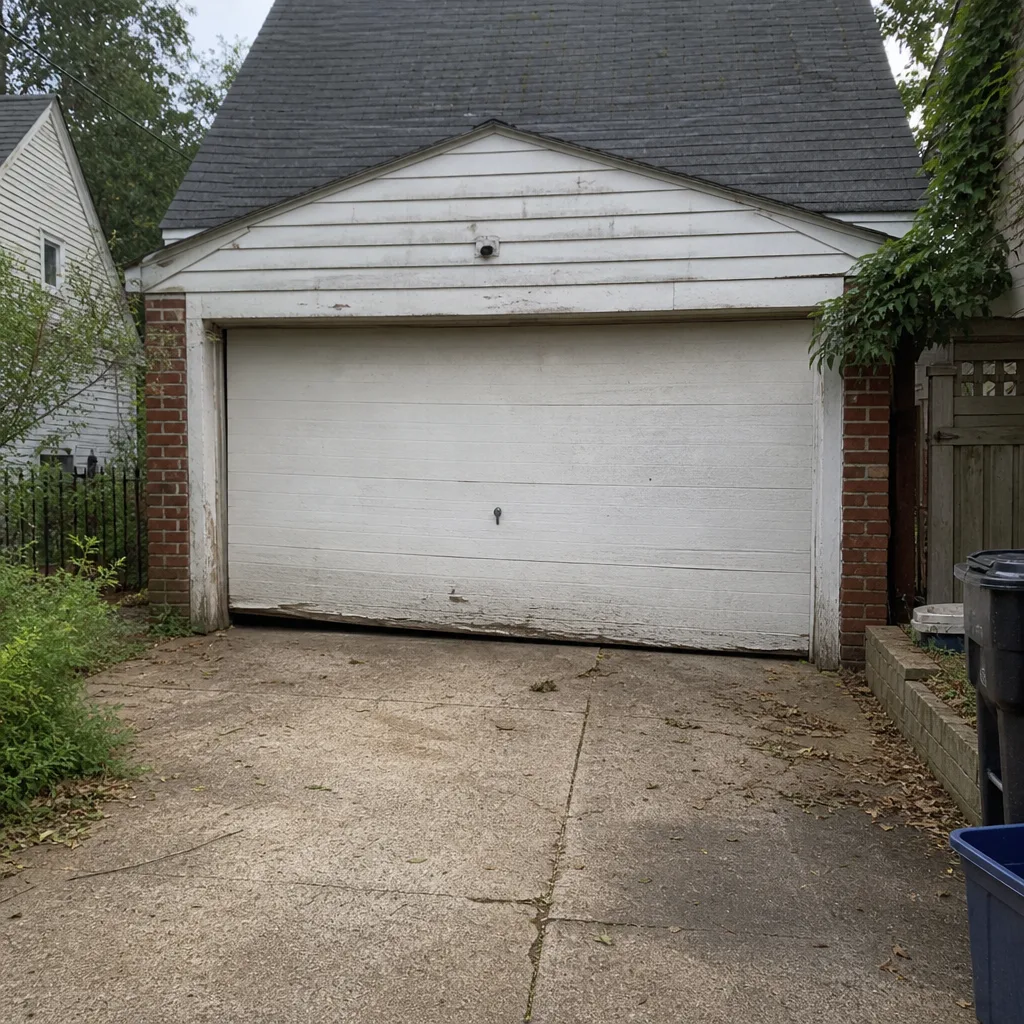 Before
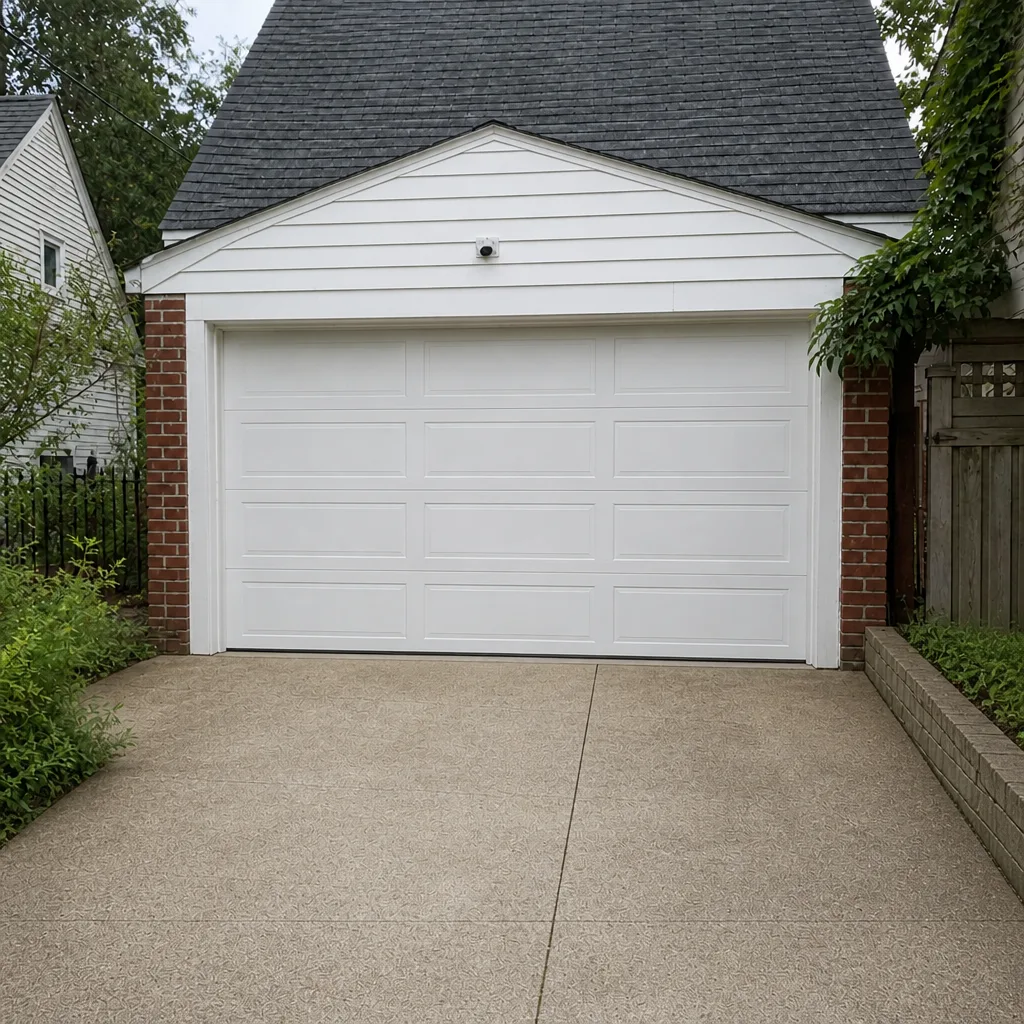 After
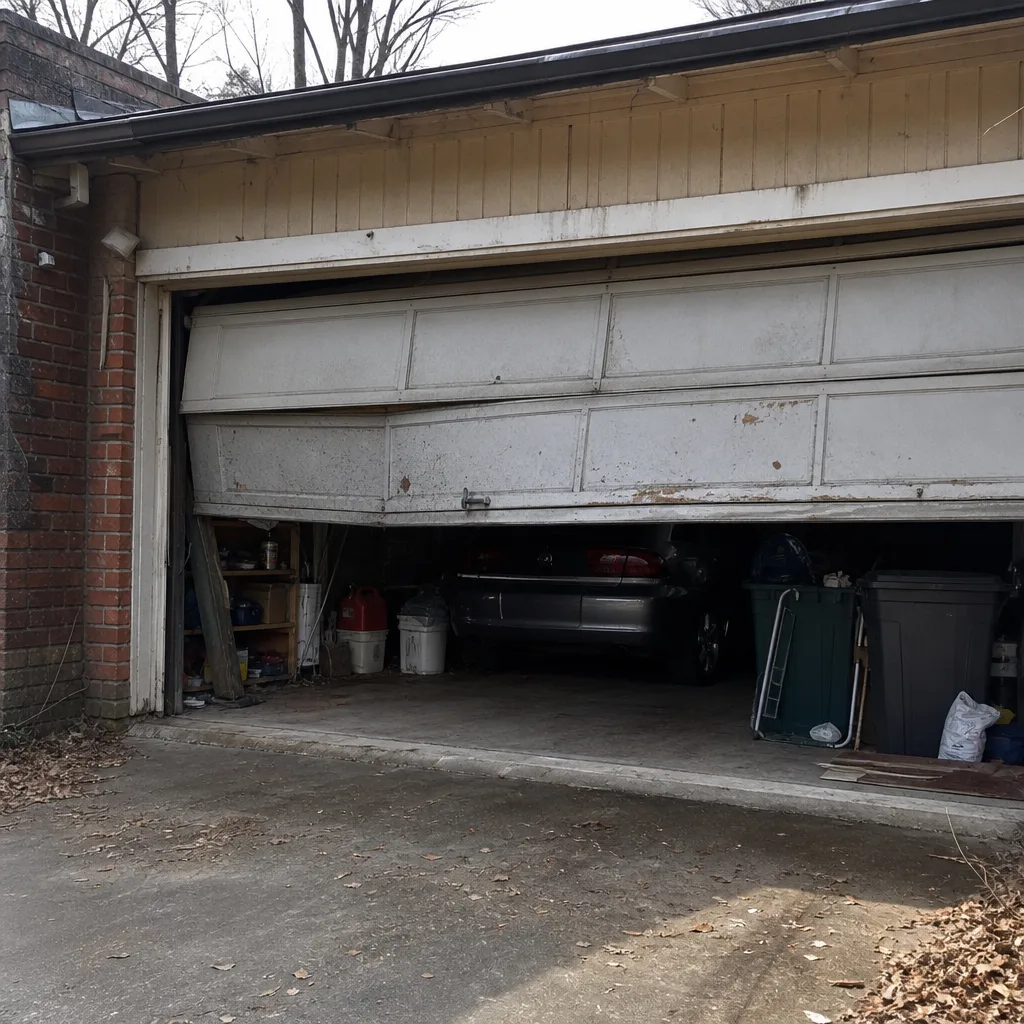 Before
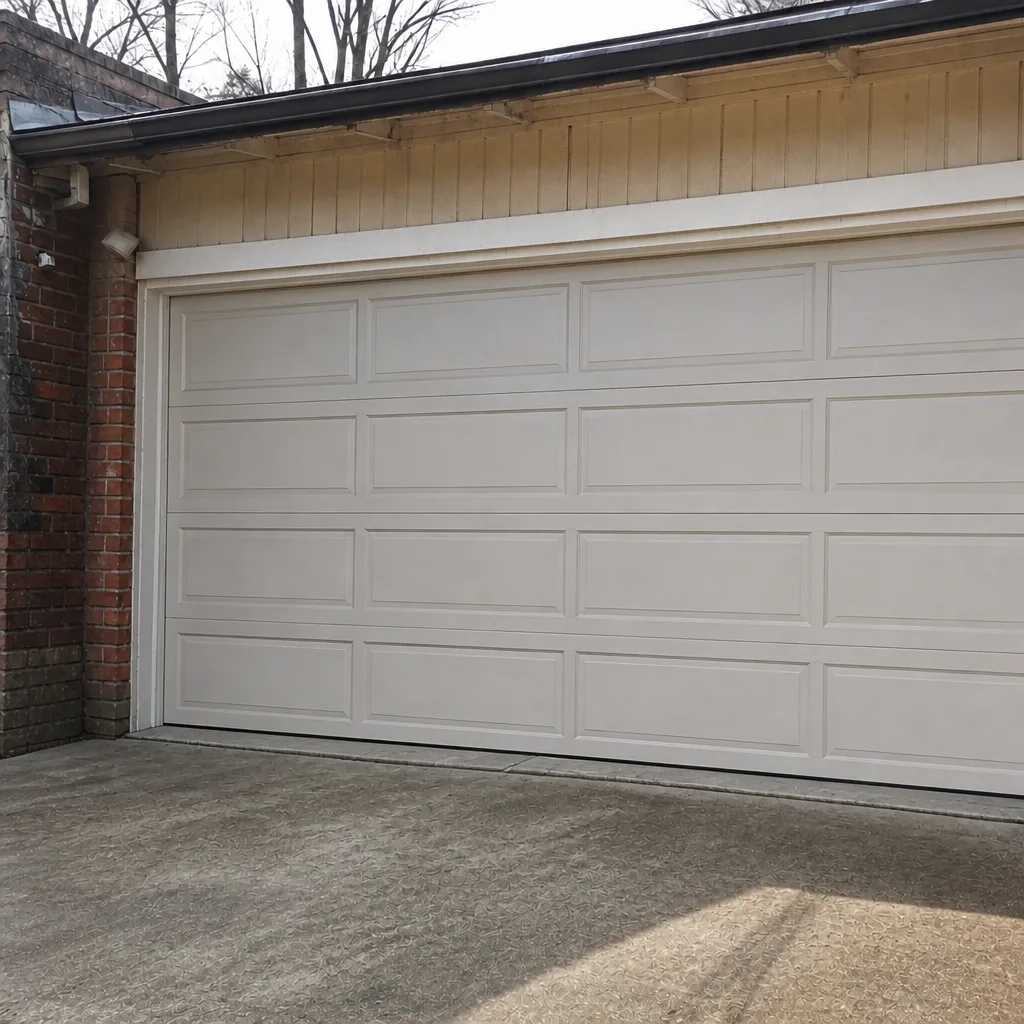 After
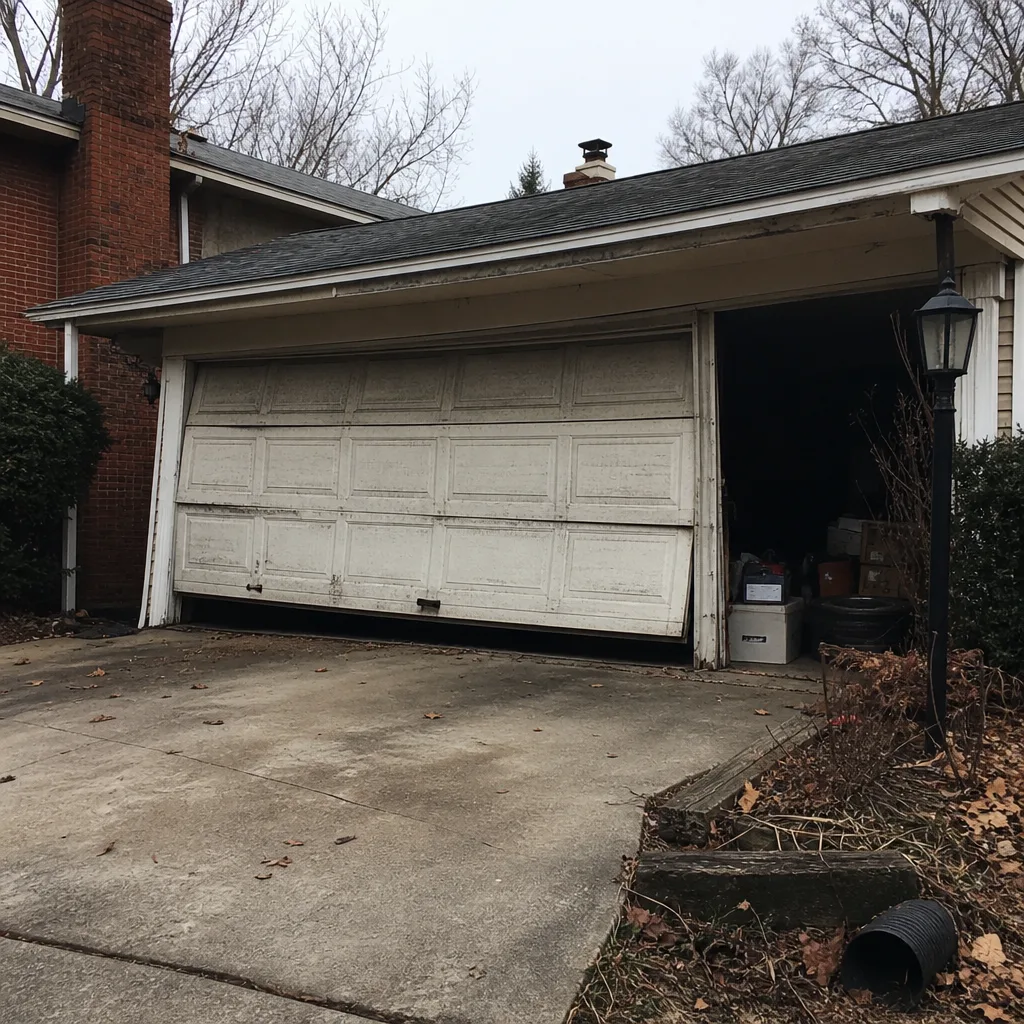 Before
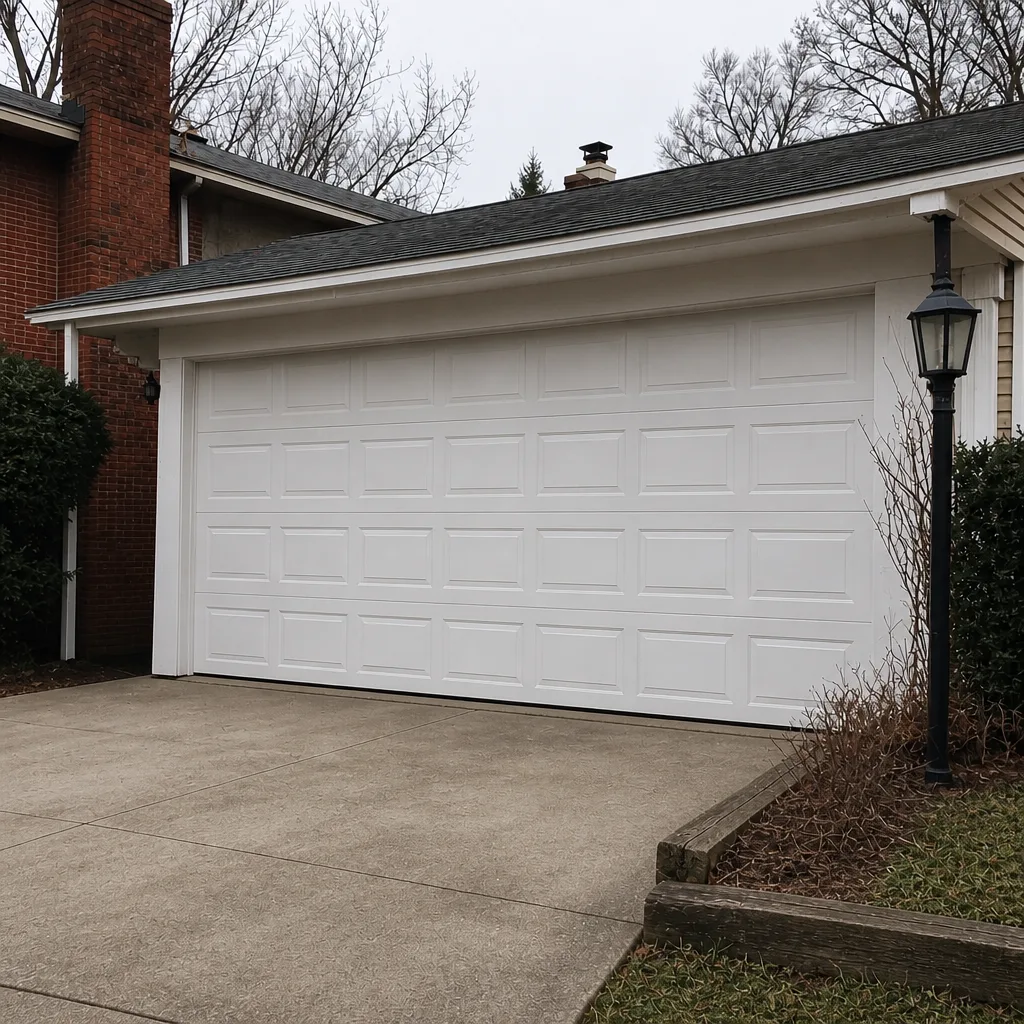 After