
Last updated November 21, 2026
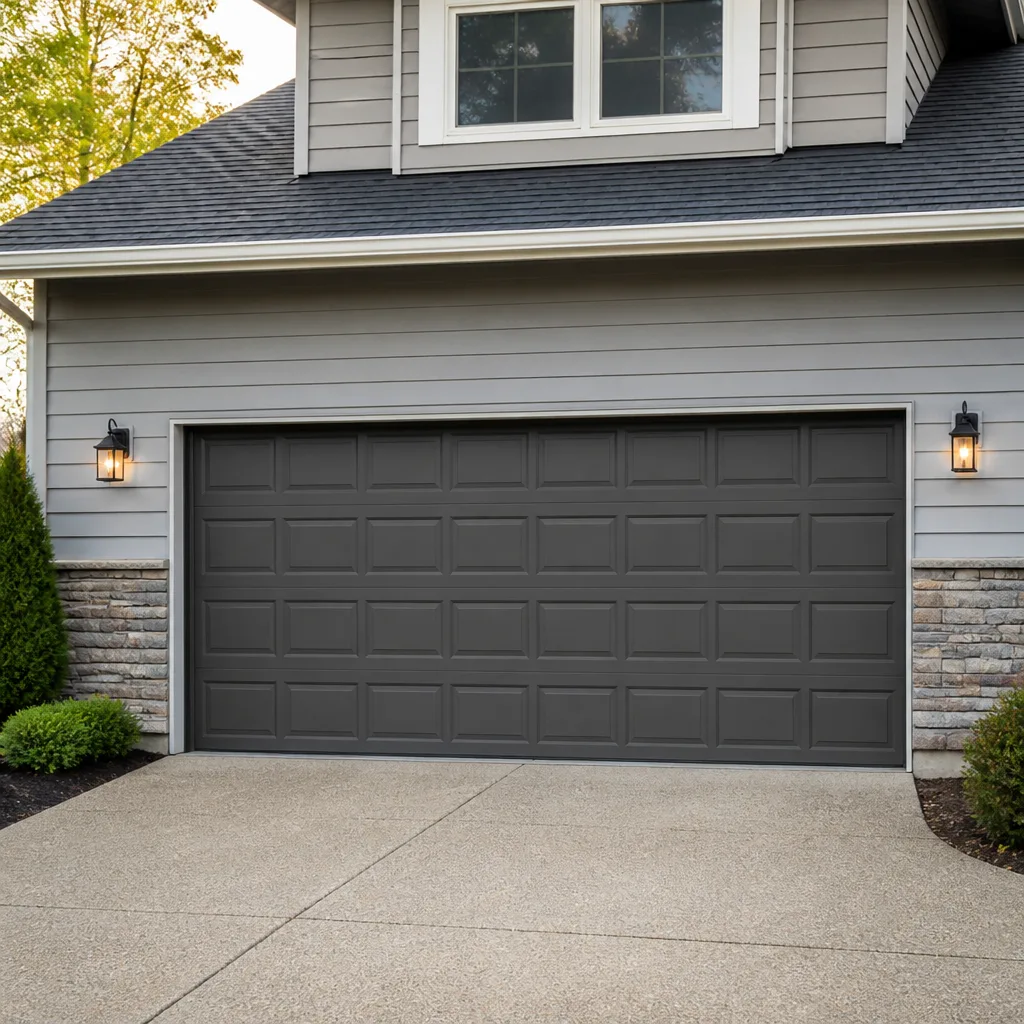 Raised-panel steel
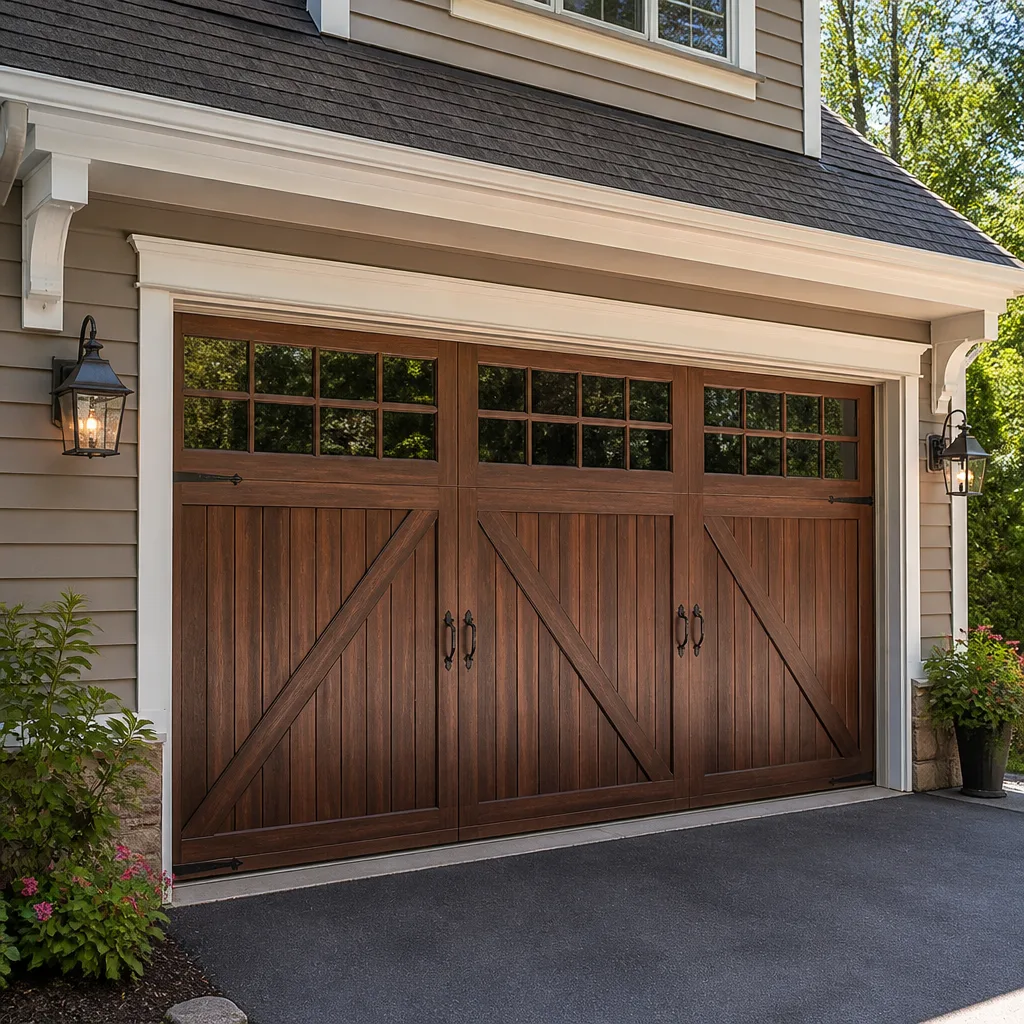 Carriage house
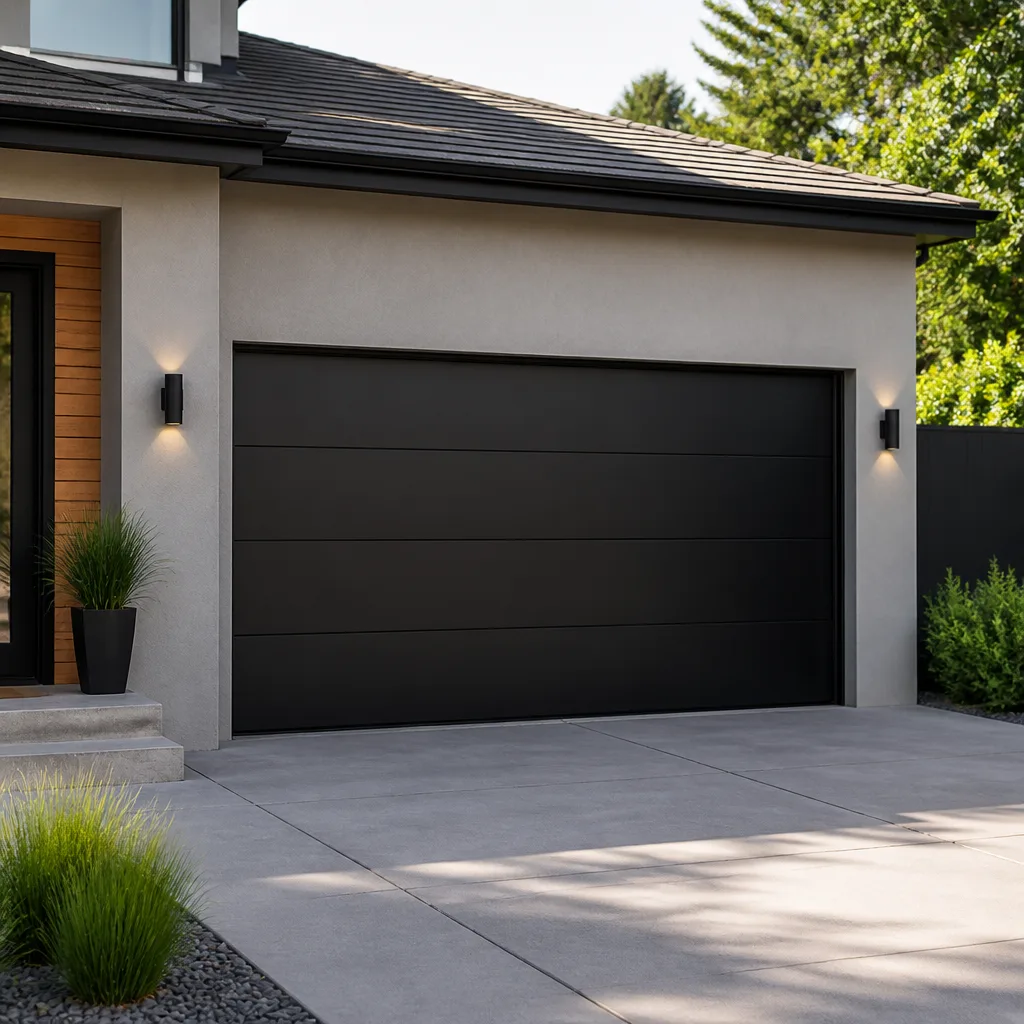 Modern flush
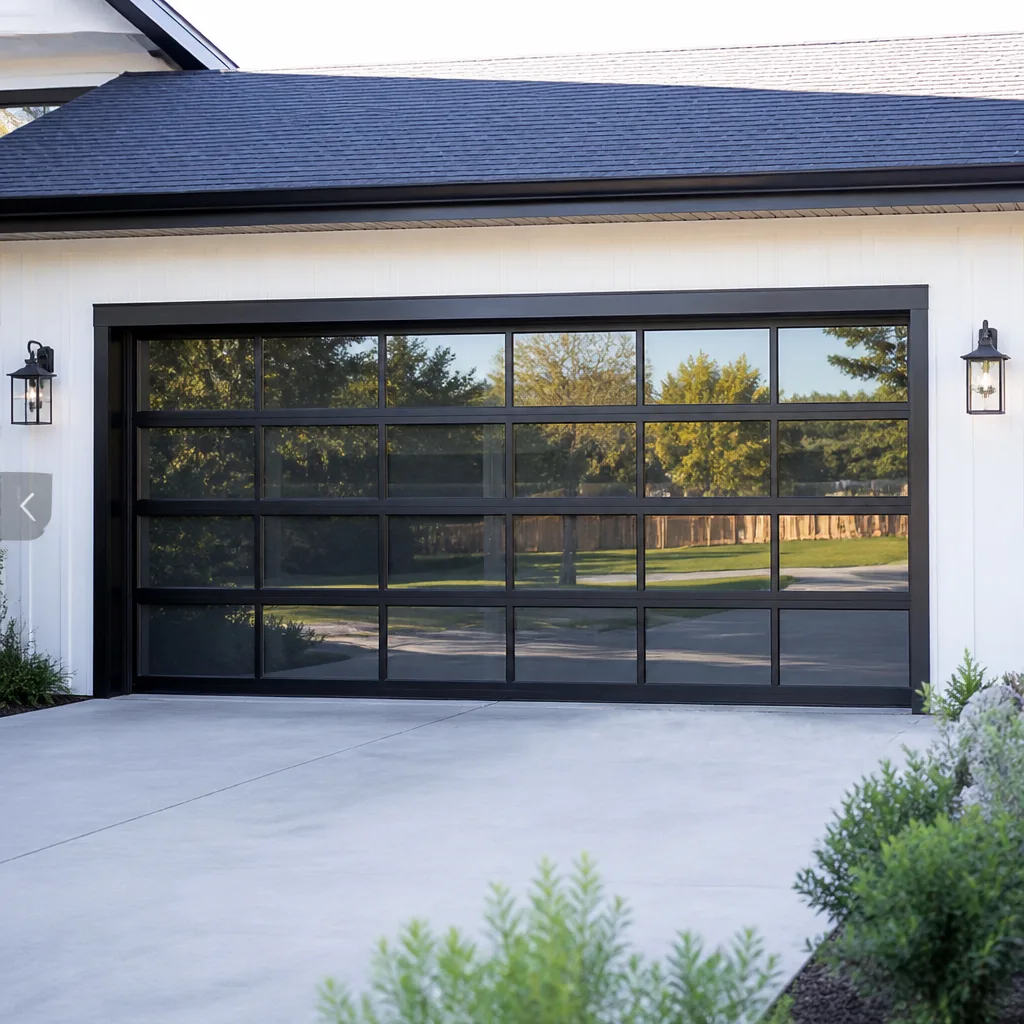 Full-view glass
 LiftMaster openers
 Chamberlain openers
Full 25-point door and opener safety check with every visit - springs, cables, rollers, tracks, and your LiftMaster or Chamberlain opener included
You get a price before we start. It does not change when the pro arrives.
Get your free estimateDIY vs Professional Garage Door: The Georgetown Homeowner’s Decision Guide
Torsion spring replacement isn’t dangerous because it’s complicated. It’s dangerous because a spring wound to roughly 150 ft-lbs of torque doesn’t give you a second chance if something slips. Most garage door decisions homeowners face are nothing like that. Some are genuinely weekend-friendly; others look easy on video and turn into a much bigger bill once a panel is bent. This guide sorts the work task by task, explains why Georgetown’s older homes change the math on some repairs, and shows you how to judge honestly whether a job belongs in your hands or a technician’s. You’ll finish knowing which tasks are safe, which aren’t, and where the permit line sits in DC.
Quick Answer
Only a handful of garage door tasks are safe for a homeowner: lubricating moving parts, realigning safety sensors, replacing weatherstripping, and tightening visible hardware. Springs, cables, torsion assemblies, track replacement, panel swaps on older Georgetown frames, and opener circuit work belong to a trained technician because the stored energy and the risk of a door coming down are real. DC permits and code also require licensed contractor involvement on structural and electrical portions, no matter how handy you are. If you’re unsure which side of that line a job falls on, a free estimate settles it quickly.
Styles & brands we work with
- Raised-panel steel
- Carriage house
- Modern flush
- Full-view glass
- LiftMaster openers
- Chamberlain openers
Table of Contents
- The Task-by-Task Breakdown: What’s Safe and What Isn’t
- The Tools and Knowledge Each DIY Task Actually Requires
- Why Georgetown’s Older Door Frames Make DIY Riskier
- Springs, Cables, and the Case Against DIY
- Openers and Smart Systems: What Belongs to a Technician
- DC Permits and Code: When a Contractor Isn’t Optional
- The Math of a Failed DIY Attempt
- What This Work Typically Costs in Georgetown
The Task-by-Task Breakdown: What’s Safe and What Isn’t
Here’s the honest split. Some garage door maintenance is genuinely within reach for a careful homeowner with a stepladder and an afternoon. Other jobs carry stored energy, overhead weight, or electrical risk that no amount of YouTube can offset. The dividing line isn’t your confidence level. It’s whether a mistake can hurt you or drop a few hundred pounds of door.
Safe for most homeowners:
- Lubricating hinges, rollers, and the opener’s chain or belt with a proper garage door lubricant
- Cleaning and realigning the safety sensors at the bottom of the tracks
- Replacing worn weatherstripping along the bottom of the door or around the frame
- Wiping down panels and touching up small cosmetic scratches
- Tightening visible bolts on hinges and brackets (hand-tight, never forcing)
- Testing the door’s balance by hand and checking the auto-reverse safety feature
Requires a trained technician:
- Torsion spring or extension spring replacement
- Cable replacement or re-spooling
- Bracket and plate work attached to springs or cables
- Track replacement or realignment after an impact
- Panel replacement on an older or non-standard frame
- Opener motor, capacitor, logic board, or wiring work
- Full door installation or replacement
If your task sits on the second list, that’s not a judgment on your abilities. It’s a recognition that a wound spring under torque, a hanging door, or live wiring are the three places where a small mistake turns into a hospital visit or a busted door. The list above is the fast version. The rest of this guide explains each item in detail so you can make your own call. For anything in the second column, our garage door repair team can work on whatever make or model is already on your door.
The Tools and Knowledge Each DIY Task Actually Requires
Before you decide a task is doable, check whether you own the tools and understand the principles. This section is deliberately blunt: if you don’t have the tool or can’t explain how the part works, that’s your answer. Here’s the gap between what a video shows and what the job actually needs.
Lubrication
You need a garage door specific lubricant (not WD-40 as a substitute), a rag, and a stepladder. You need to know which parts take grease and which take a light spray, and that rollers on some doors are sealed and shouldn’t be oiled at all. Time: 20 minutes.
Safety sensor realignment
You need a screwdriver, a level, and a clear understanding of how the two sensors talk to each other. The job is realigning the lenses so they face each other at the same height and the indicator light on each is steady. If a sensor is faulty rather than misaligned, swapping it is electrical work. Time: 15 to 30 minutes.
Weatherstripping replacement
You need a utility knife, a measuring tape, and the correct replacement strip for your door’s bottom retainer. The tricky part is matching the profile; a universal strip that’s slightly off will drag or leak. Time: 30 to 60 minutes.
Balance and safety testing
You need only your hands and about five minutes. Disconnect the opener, lift the door halfway, and let go. A balanced door holds position. Then place a roll of paper towels under the door and trigger the close; the door should reverse on contact. This is diagnostic, not repair, but it tells you whether the door is safe to keep using.
Anything beyond this list asks for tools most homeowners don’t own: winding bars sized for your spring, a proper cable puller, a torque wrench. It also asks for knowledge you can only get by doing the job repeatedly. Our technicians have up to 10 years of experience with exactly these systems, and that experience is the difference between a door that works and a door that fails six months later. When the task doesn’t fit in the lists above, we can handle it. Call (877) 676-2031. We answer 24/7. Fast dispatch from 7am to 7pm, Sunday through Friday.
Why Georgetown’s Older Door Frames Make DIY Riskier
Georgetown is one of the oldest continuously built neighborhoods in DC, and its housing stock shows it. Many homes in Georgetown sit on narrow lots with detached or attached garages that were added decades after the house was built, or converted from carriage houses. That creates a specific problem for the DIY-minded: door frames and rough openings here are frequently not standard. A replacement panel that’s designed to drop into a standard opening may not fit a frame that was built around an older door, and a repair that involves bending metal to make it fit is the beginning of a much bigger problem.
Here’s what that looks like in practice:
- Non-standard rough openings. A garage added to a Georgetown row house may have a rough opening sized for the door that was hung at the time, not for what a manufacturer sells today. Measure before you buy anything.
- Settled frames. Older brick and stone garages settle. A frame that’s slightly out of square can make a new panel bind, and forcing it in place bends the panel and stresses the track.
- Rotted or softened wood surrounds. Wood trim around older garage openings can look fine until you put weight on it. A panel replacement that hangs weight on soft wood won’t stay aligned.
- Mixed-era hardware. A door installed in one decade with hardware from another is common in Georgetown. The right replacement part may not be obvious from the outside.
None of this means older garages are unusable. It means the easy-video version of panel replacement assumes a standard opening, and Georgetown frequently doesn’t have one. If you’re considering a panel swap on a door more than a couple of decades old, have the opening measured first. That’s the single most useful thing you can do before buying a part. Our garage door installation team sees these frames often and can tell you what will fit before you spend money.
Springs, Cables, and the Case Against DIY
This is the section where being blunt matters most. Garage door springs are the single most dangerous component in the system, and spring replacement is the repair most likely to send a homeowner to the emergency room. Not because springs are complicated. Because a torsion spring, once wound, stores an enormous amount of energy in a small metal coil. It doesn’t warn you before it lets go.
What that means in practice:
- Torsion springs are wound to high torque. The winding bars a technician uses are sized for the spring, and the technique for holding and releasing tension is learned by doing it under supervision, not by watching a video.
- Extension springs store energy along the track. On older systems, extension springs can snap with enough force to damage a car or a wall. That’s the reason modern installations include safety cables, and the reason a technician checks for them.
- Cables are under tension too. A snapped or slipping cable can whip. Cables and springs interact, and working on one while the other is loaded is where injuries happen.
- Brackets attached to springs and cables carry load. Loosening the wrong bolt can release the whole assembly. This is why the parts attached to springs are on the technician list.
You can safely test whether your springs are the problem. If the door is hard to lift, if it slams down, or if you hear a loud bang and the door won’t open, the spring is likely broken. That’s a diagnostic call, and it’s the point to stop. Don’t try to lift the door by hand to inspect the spring. Don’t cut anything. Book a technician. Spring repair is one of the services we handle as a core specialty, and we can replace torsion or extension springs, matched as a pair when the door calls for it, so the door stays balanced. Removing the old spring and installing a new one is not a job to learn on your own door. Call (877) 676-2031. We answer 24/7. Fast dispatch from 7am to 7pm, Sunday through Friday.
Openers and Smart Systems: What Belongs to a Technician
Garage door openers look more approachable than springs, and a few opener tasks are genuinely DIY-friendly. The line matters because openers mix mechanical and electrical work, and modern openers connect to your home network, which adds a layer of setup that older units didn’t have.
Safe for most homeowners:
- Pairing a new remote or keypad to an existing opener that’s working correctly
- Reconnecting a smart opener to your home Wi-Fi after a router change (LiftMaster myQ, Chamberlain, and Genie Aladdin Connect setups all have their own process)
- Cleaning and adjusting the safety sensors
- Replacing the opener’s battery backup where the manufacturer designed it to be user-swapped
Requires a technician:
- Replacing the opener motor, capacitor, or logic board
- Installing a new opener, including the rail, mounting, and safety testing
- Fixing travel limits that won’t hold or a door that reverses without a visible obstruction
- Wiring work, including electrical connections at the ceiling
- Any opener that’s intermittently failing in ways that don’t repeat on command
The tricky part of opener work is that symptoms point at the wrong component. A door that won’t close cleanly could be a sensor, a travel limit, a worn gear, or a failing logic board. Replacing one and discovering the problem was another is exactly the kind of guesswork a technician avoids. We work on both legacy and smart-home-connected openers, which matters in Georgetown specifically: a house with an older Chamberlain or Genie unit and a newer smart opener in the same family of homes calls for the same set of skills. Diagnostics are part of our garage door opener repair service, and the price is quoted and agreed before any work starts.
DC Permits and Code: When a Contractor Isn’t Optional
DC doesn’t require a permit for a like-for-like spring replacement or a routine repair. It does require licensed contractor involvement for work that touches structural elements, electrical connections, or a full door replacement, and the specific requirements depend on the property and the work in question. The only reliable answer for your address is your own call to the DC Department of Buildings. That’s not a dodge. Permit rules vary by property type and by what the work actually involves, and a guide can’t substitute for the department’s answer on a specific address.
Here’s the general shape, so you know which questions to ask:
- Like-for-like repair (spring, cable, opener component, hardware) usually doesn’t require a permit. The repair restores the door to how it was built.
- Full door replacement or a change to the opening commonly requires a permit and licensed contractor involvement, because it touches structural framing and, in some cases, the exterior envelope of the house.
- Electrical work on an opener’s wiring is where code and licensing rules apply. Plugging an opener into an existing outlet is different from running new wiring to the ceiling.
- Historic district rules can apply in Georgetown specifically, because portions of the neighborhood are subject to exterior change review. If your garage faces a street in a historic district, changes to the door’s appearance may need a review before you buy anything.
The practical upshot: before you plan a full door replacement or a change to the opening, call the DC Department of Buildings and ask what your address requires. It’s a short call and it prevents the most expensive mistake in this guide, which is doing work that later needs to be permitted retroactively. Our garage door installation work is quoted per job with the permit question addressed up front.
The Math of a Failed DIY Attempt
The question isn’t whether a DIY attempt costs less than a technician. It’s whether the expected cost of the attempt, including the chance it fails, is lower. Here’s a way to work it through without guessing at specific dollar figures, because those vary by door.
- Add the cost of the parts you’ll buy. A spring, a panel, an opener gear, a cable: the parts aren’t free, and a part that fails on install usually isn’t returnable if it’s been modified.
- Add the cost of any damage the attempt causes. A bent panel from a frame that didn’t fit, a stripped bracket bolt, a door that comes off track, or a spring that fails to seat properly can turn a small repair into a larger one.
- Add the cost of the rescue visit. If a technician has to undo and redo a DIY attempt, the labor hours are higher than they would have been for the same repair done first. The same work is done twice, once wrong and once right.
- Compare against the estimate for doing it once, correctly. That’s the number to weigh against the range above.
In our experience, the tasks that most often turn into a rescue visit are the ones that looked simplest on video: a panel swap that didn’t fit, a spring that was replaced without the door being balanced, an opener that was swapped without matching the rail and travel limits. In each case, the second visit costs more than the first would have, and the door was out of service for longer. That’s the calculation that actually matters. A free estimate gives you the real number to weigh against, not a guess. We’re straightforward about which jobs are worth doing yourself and which aren’t. Call (877) 676-2031 for a free estimate.
What This Work Typically Costs in Georgetown
Pricing for garage door work in Georgetown is per job and set by a written estimate. It depends on the door’s make and model, the specific failure, the material of the panel or spring, and whether the frame is standard or needs adjustment. That’s why any guide that quotes a flat number for “garage door repair” is describing a job it hasn’t seen. What we can do is explain the lines that make up an estimate so you know what you’re looking at.
A typical estimate breaks down into these parts:
- Spring replacement: priced per spring. A matched pair is usually replaced together, so a pair costs roughly twice a single spring. The estimate states which your door needs.
- Cable replacement: usually done in pairs when one has failed, because the second is under the same load.
- Opener repair: depends on the component. A logic board is a different line than a gear and sprocket assembly.
- Track or panel repair: depends on whether the part is standard or made to fit a non-standard frame.
- Full installation: depends on the door and opener chosen, and on what the opening needs before the new door goes on.
Two things hold true across every estimate. The price is quoted and agreed before any work starts, so there’s no surprise on the invoice. And the estimate is free, so the cost of getting a real number is zero. We work on equipment from LiftMaster, Chamberlain, Genie, Clopay, Amarr, Wayne Dalton, Craftsman, and Raynor, which means we’re not going to tell you we can’t work on the brand that’s already on your door. If you’ve priced a part and you’re wondering whether a technician’s estimate is in line, call and ask. For a broader look at what our shop covers, see Georgetown Garage Door Repair Pros. Call (877) 676-2031. We answer 24/7. Fast dispatch from 7am to 7pm, Sunday through Friday.
Common Mistakes to Avoid
- Treating a spring as a beginner repair. The stored energy in a wound spring is not proportional to how easy it looks. If a spring is broken, don’t try to move the door to “check it.” Call a technician, because a broken spring can be the most dangerous state for the door to be in.
- Buying a replacement panel before measuring the opening. In Georgetown, older frames are frequently non-standard. Measure the rough opening first, and if it doesn’t match what the manufacturer lists, the panel isn’t the right part.
- Using the wrong lubricant. WD-40 is a solvent, not a garage door lubricant. It can strip existing grease on rollers and hinges and leave them dry. Use a product labeled for garage door hardware.
- Disconnecting the opener and forgetting to reconnect the safety features. If you test the door by hand, re-engage the opener and rerun the auto-reverse test before anyone uses the door. A door that closes on a car or a person is a safety problem you created.
- Ignoring the permit question on a full replacement. DC rules on replacements and structural work vary by property type, and historic district review can apply in parts of Georgetown. A five-minute call to the DC Department of Buildings prevents an expensive retroactive process.
- “Adjusting” a track by force. Track that’s out of alignment needs to be reset, not bent. A tracked door that’s been forced will keep jumping, and the fix afterward is track replacement rather than track realignment.
- Trying to solve an intermittent opener problem by replacing parts. Symptom mismatch is common with openers, and swapping a logic board when the issue was a travel limit is a waste of both. Diagnose first, then replace.
See the difference
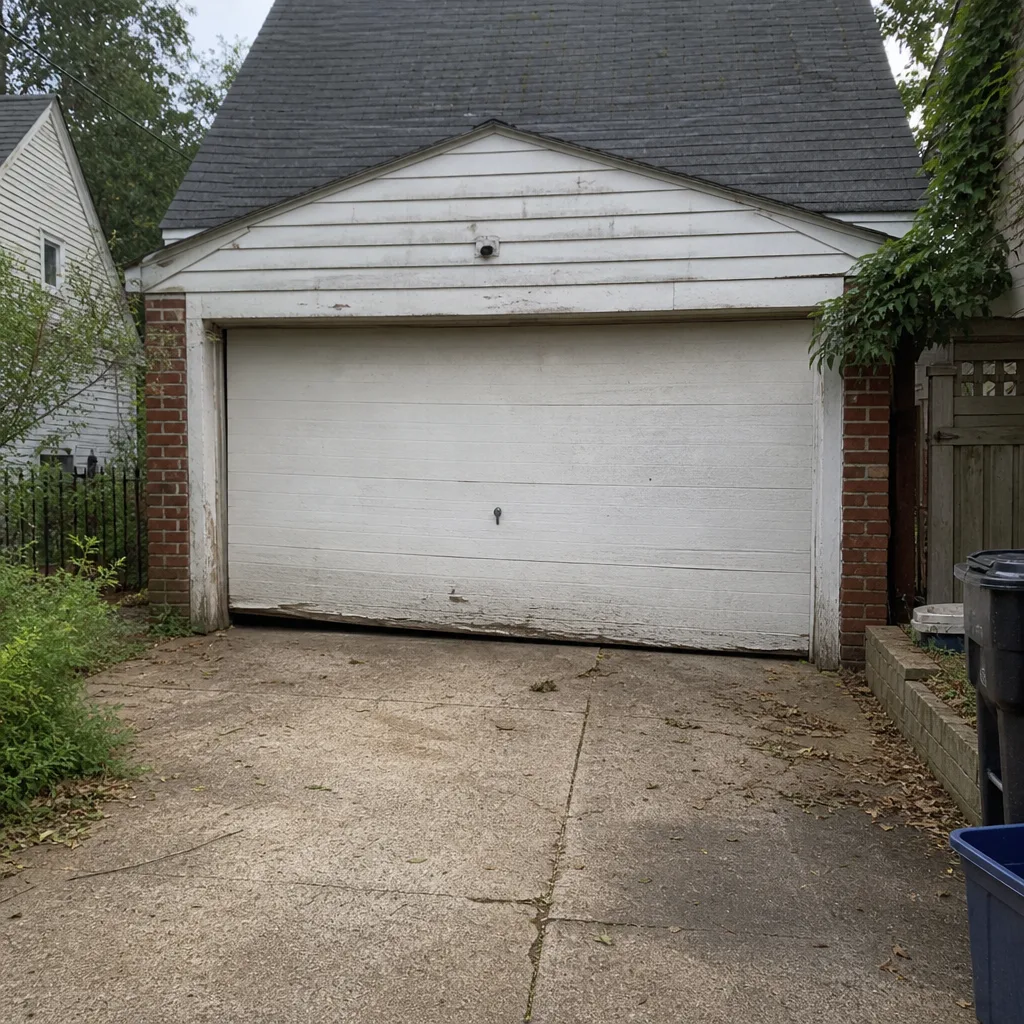 Before
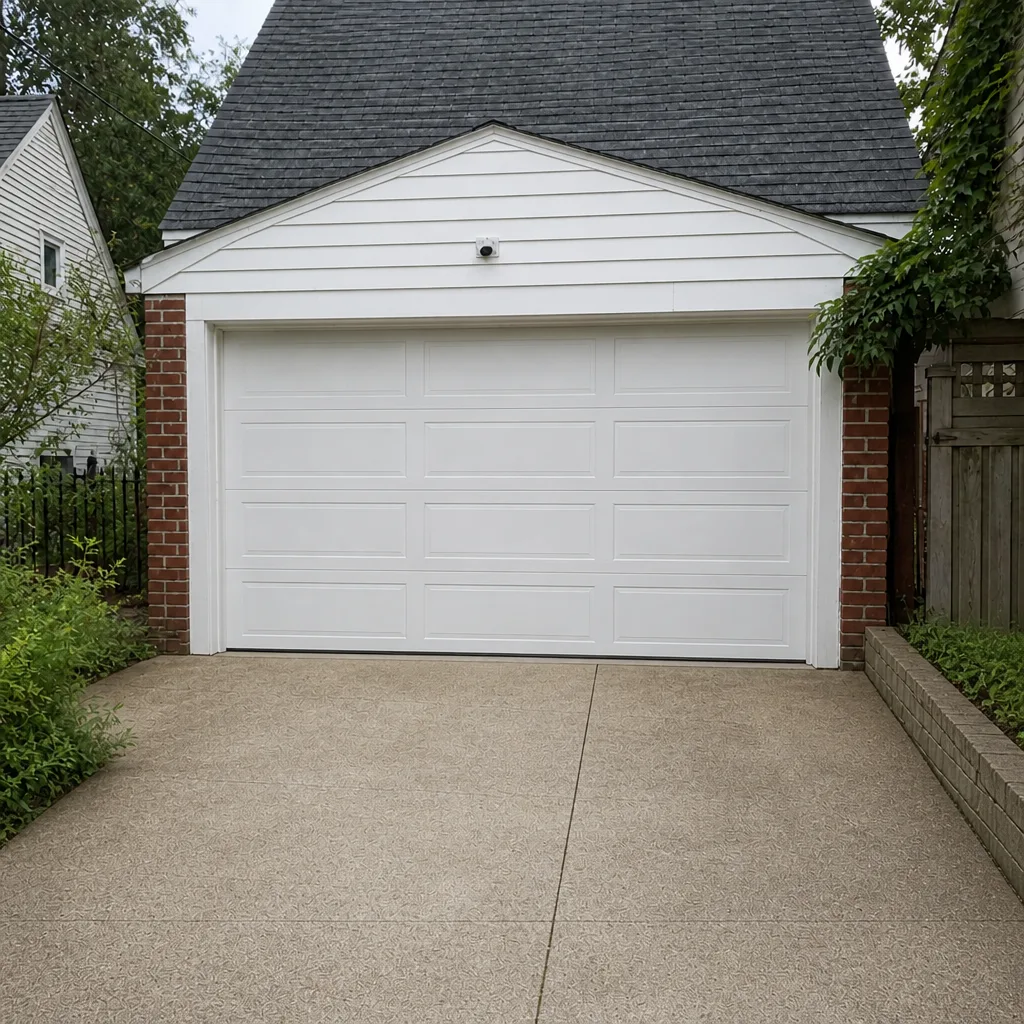 After
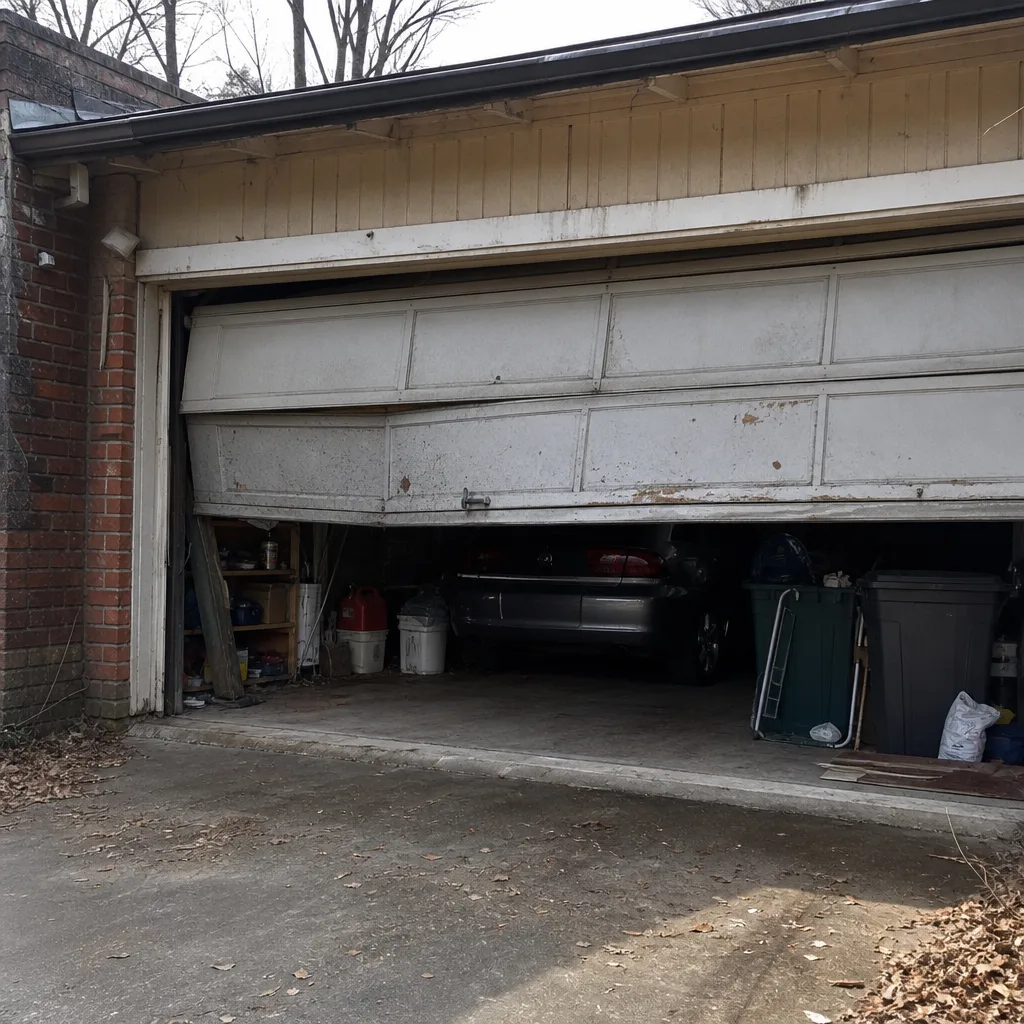 Before
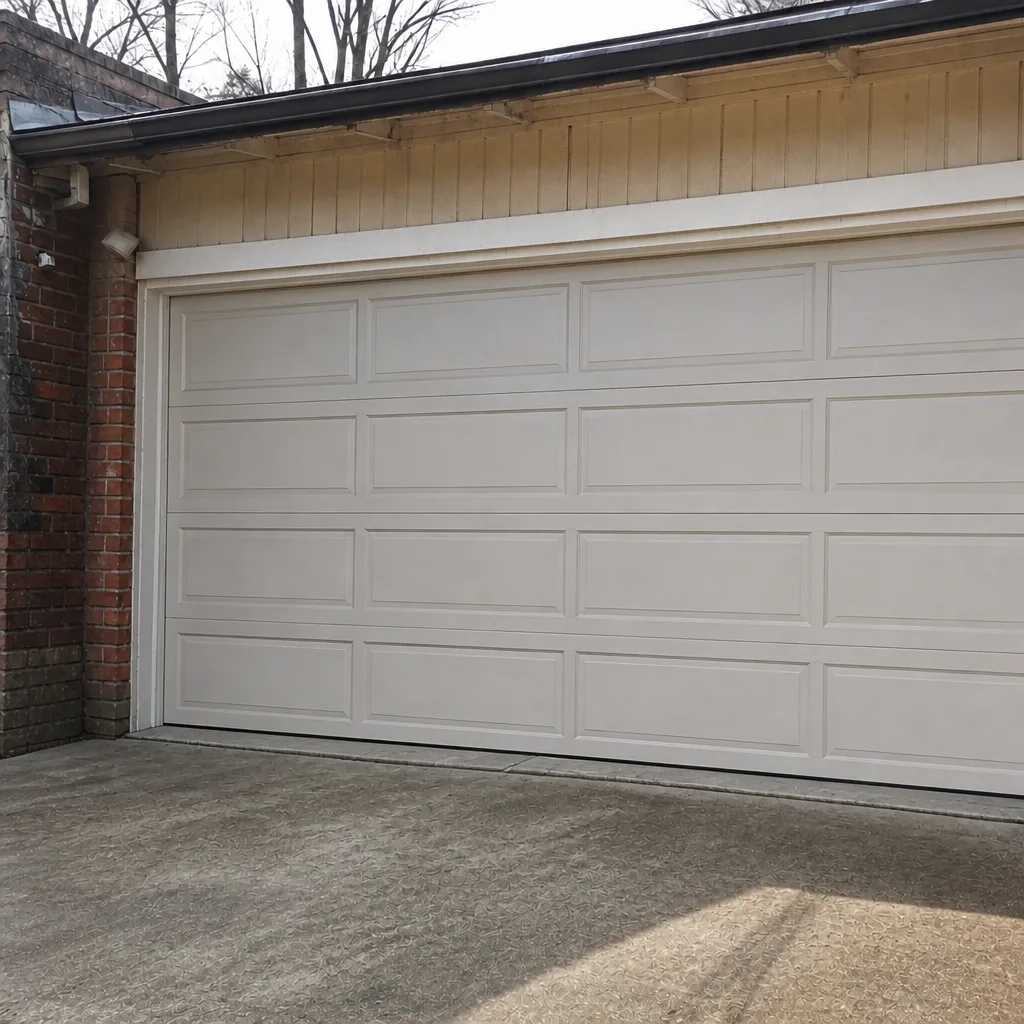 After
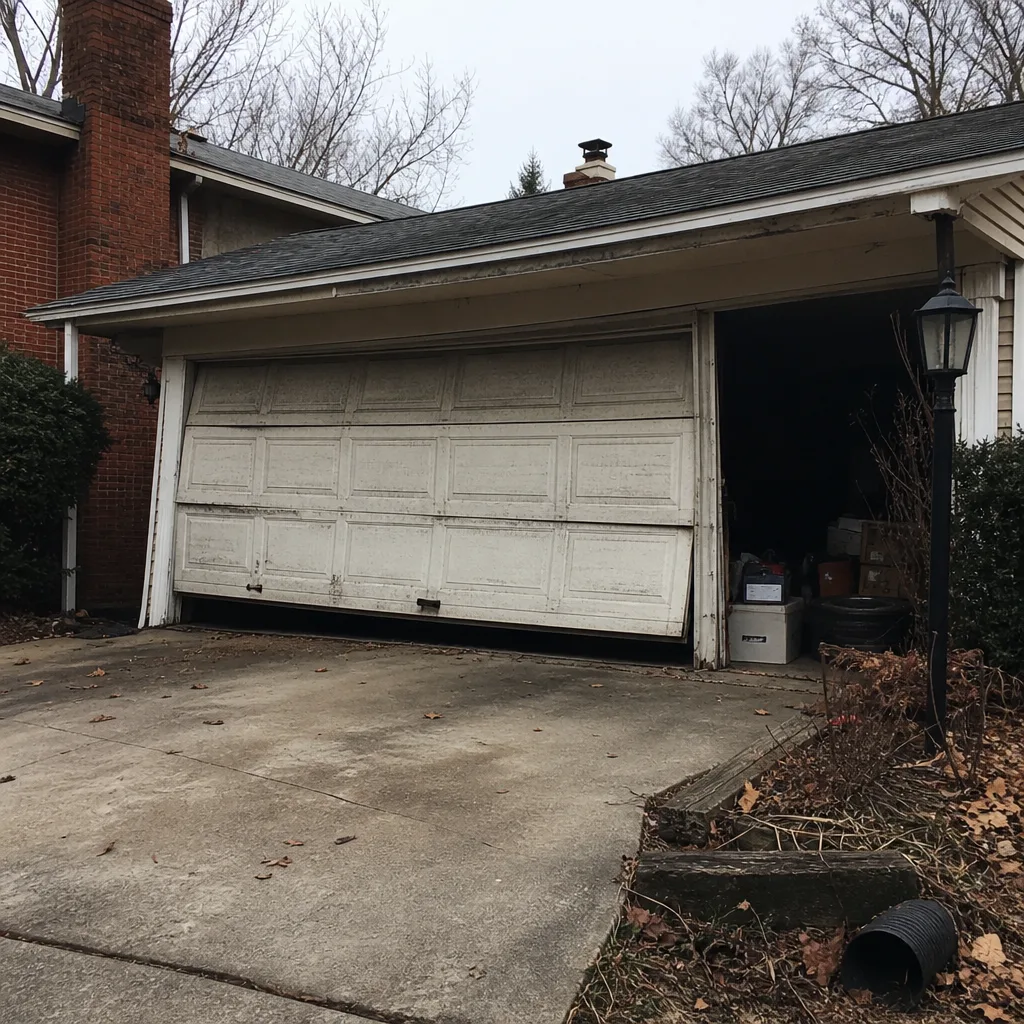 Before
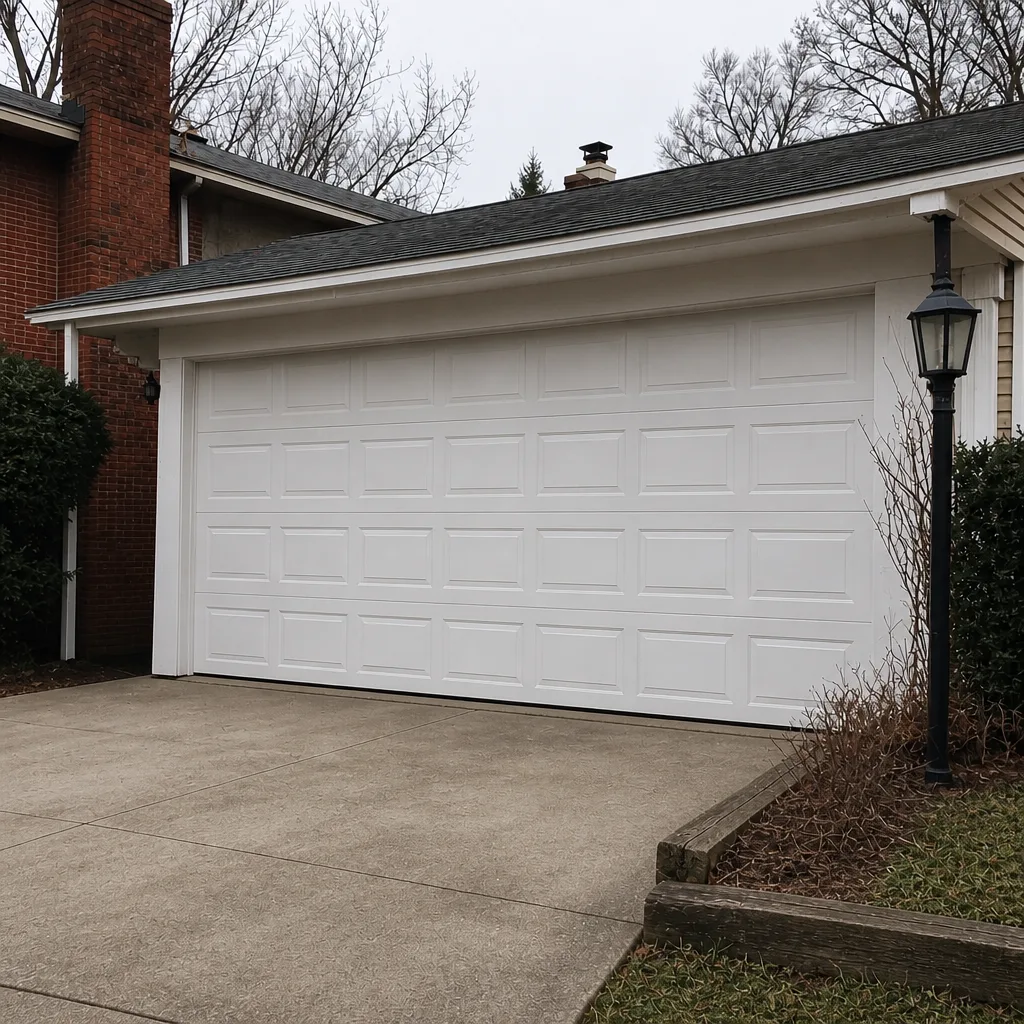 After
When to Call a Professional
Some calls are obvious: a snapped spring, a door that’s come off track, a door that won’t close, an opener that’s dead. Others are less obvious but still worth a call. If you’ve tested the door by hand and it’s not balanced, if a panel is binding in the frame, if the opener reverses without an obstruction, if a bracket attached to a spring shows movement or rust, or if you’re planning a full door replacement in Georgetown, that’s the point to bring in a technician. The same goes for any question that depends on your specific frame or your address’s permit requirements. Georgetown Garage Door Repair Pros offers free estimates in Georgetown. Call (877) 676-2031. We answer 24/7. Fast dispatch from 7am to 7pm, Sunday through Friday. Emergency garage door service is available for situations where a failed spring or an offline opener traps a car or leaves the home unsecured.
Frequently Asked Questions
No, and this is the one place in this guide where the answer is unambiguous. Garage door springs store enough energy to cause serious injury even when the door looks still, and the winding process requires tools and technique most homeowners don’t have. Spring replacement is a technician job, and we handle it as a core specialty. Call (877) 676-2031 for a free estimate.
Yes. Lubrication is one of the safest and most useful DIY tasks on the list. You need a garage door specific lubricant and about 20 minutes on the hinges, rollers, and opener chain or belt. Use the right product, not a general solvent spray. If the door still runs rough afterward, call (877) 676-2031 and we’ll diagnose it.
Sometimes, but less often than in newer neighborhoods. Georgetown’s older frames are frequently non-standard, which means a replacement panel that fits a standard opening may not fit your garage. A settled or out-of-square frame can make a new panel bind, and forcing it bends the panel. Measure the rough opening first, and if it doesn’t match the manufacturer’s spec, have a technician look before you buy.
It depends on the work and the property. A like-for-like repair like a spring replacement usually doesn’t require a permit; a full door replacement or a change to the opening commonly does, and portions of Georgetown are subject to historic district review. The DC Department of Buildings is the source for your specific address. Call them before you plan a replacement.
Usually yes. Reconnecting a LiftMaster myQ, Chamberlain, or Genie Aladdin Connect system is a pairing step, not a repair, and the manufacturer’s app walks you through it. If the opener won’t connect after the pairing attempt or the door behaves oddly at the same time, the issue may be the opener itself. Call (877) 676-2031 for diagnostics.
Sometimes, because undoing a failed attempt adds labor to the same repair. The estimate still sets the price, and the price is quoted and agreed before any work starts, so there’s no surprise on the invoice. It’s almost always cheaper to get the estimate before attempting a repair than after. Call (877) 676-2031 for a free estimate.
The Bottom Line
Most garage door decisions are clearer once you separate the tasks that carry real risk from the tasks that don’t. Lubrication, sensor realignment, weatherstripping, balance testing, and smart opener pairing are within reach for a careful homeowner. Springs, cables, track replacement, panel swaps on older Georgetown frames, opener electronics, and full installations are not. Georgetown’s older housing stock raises the stakes on any job that depends on a standard rough opening, because those openings often aren’t standard here. And DC’s permit and historic district rules mean full replacements need the DC Department of Buildings’ answer for your address, not a guess from a guide.
We work on the brand that’s already on your door: LiftMaster, Chamberlain, Genie, Clopay, Amarr, Wayne Dalton, Craftsman, and Raynor. Whether it’s your opener, your springs, or the door itself, we can tell you whether a job is a real DIY candidate or not, and we quote the price before any work starts. Call (877) 676-2031. We answer 24/7. Fast dispatch from 7am to 7pm, Sunday through Friday.
Written by the team at Georgetown Garage Door Repair Pros.