
Last updated November 21, 2026
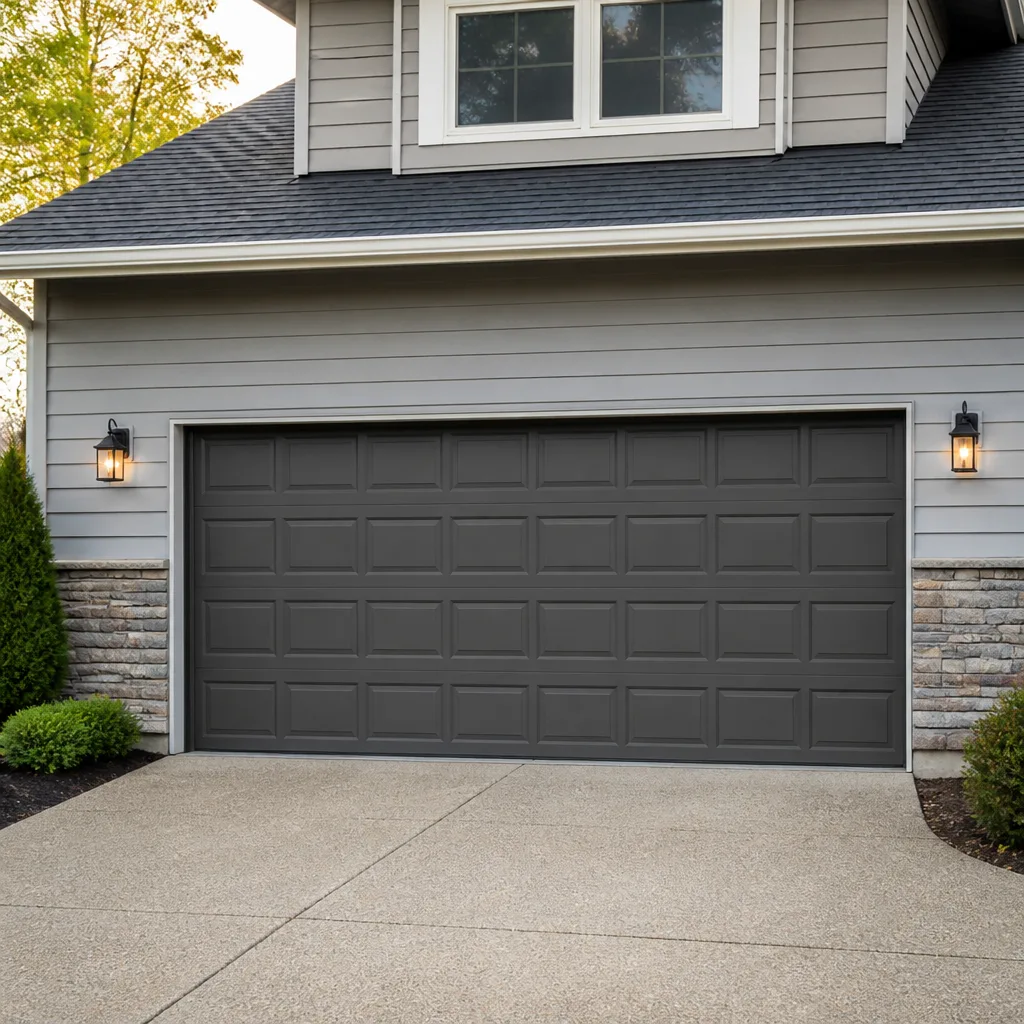 Raised-panel steel
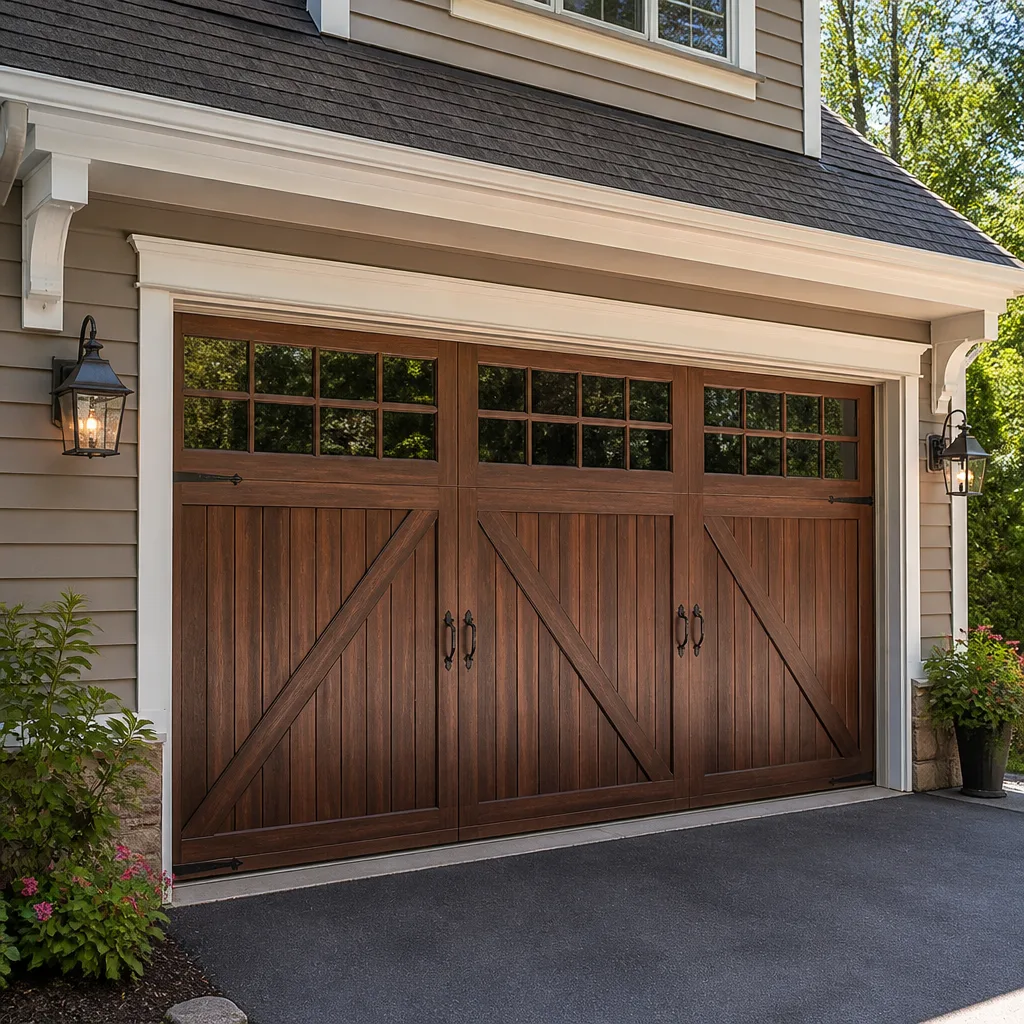 Carriage house
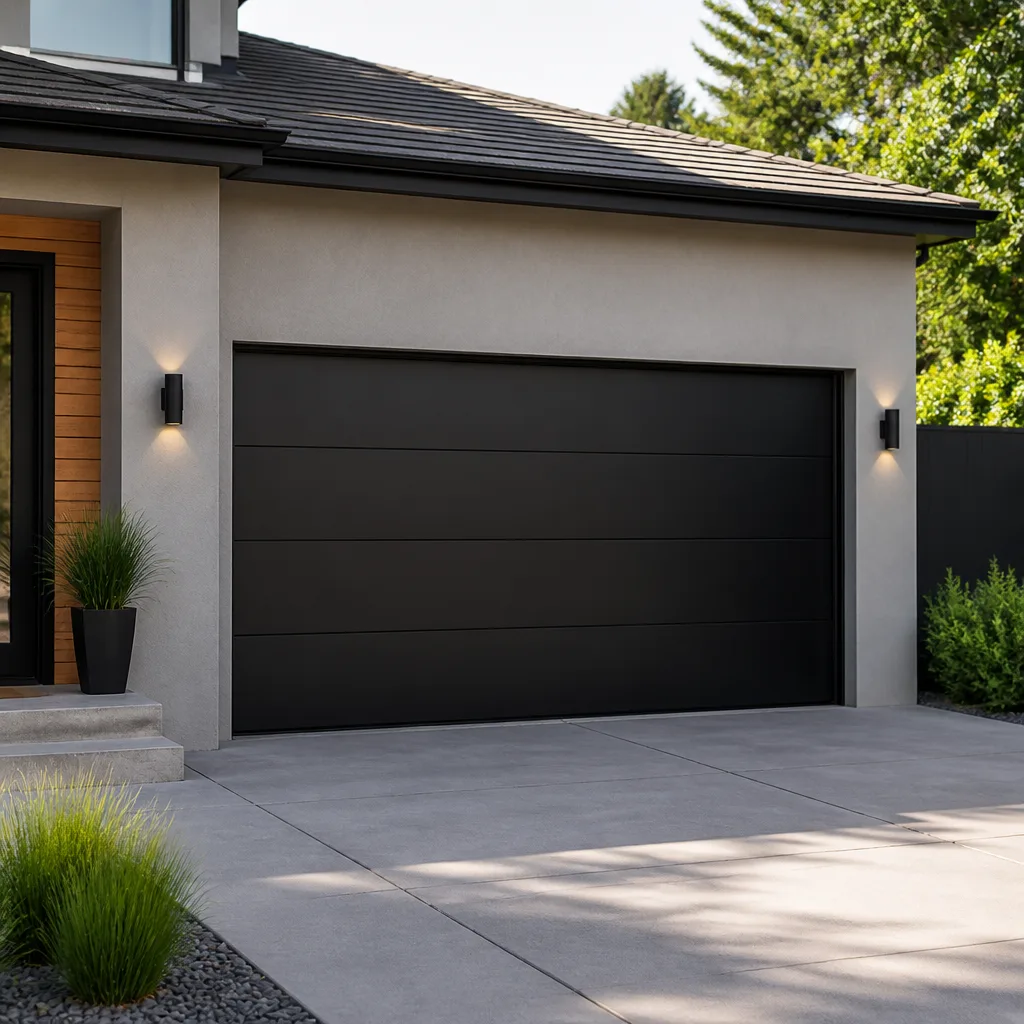 Modern flush
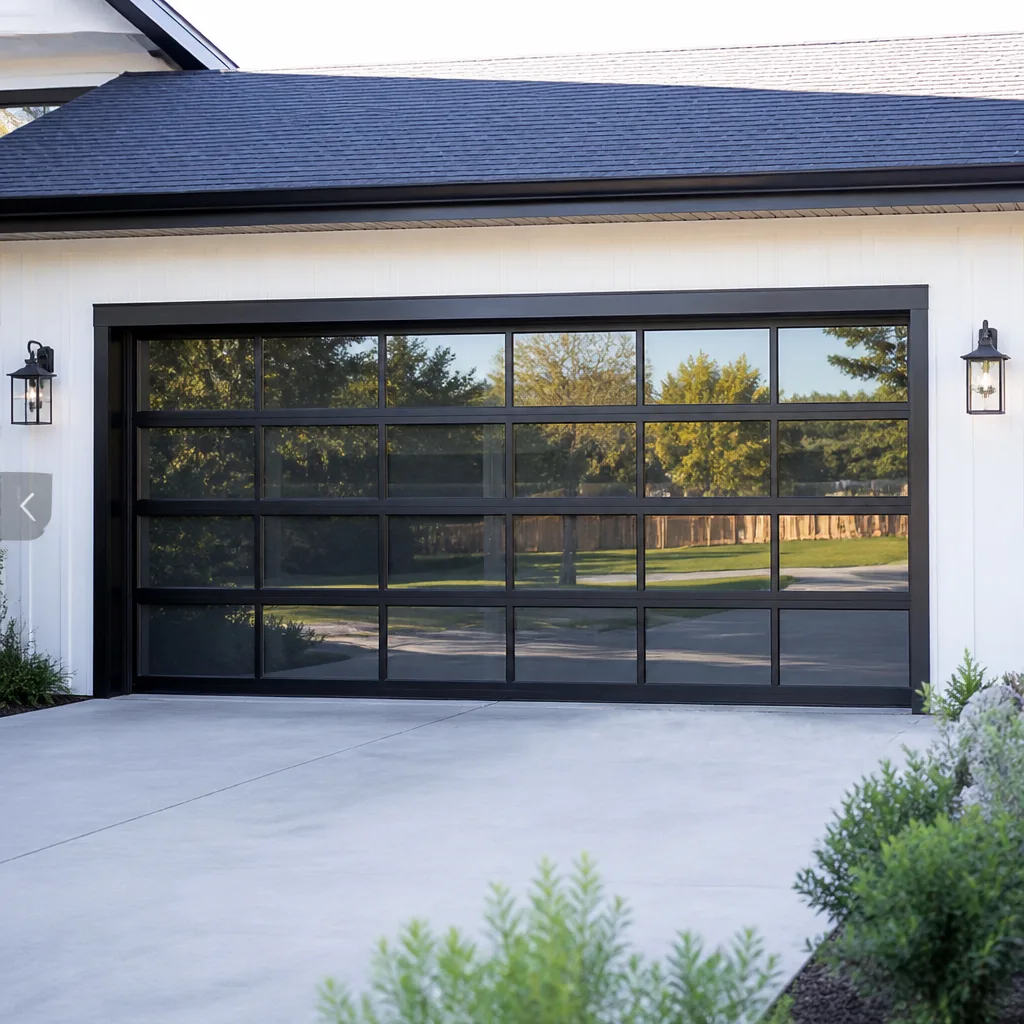 Full-view glass
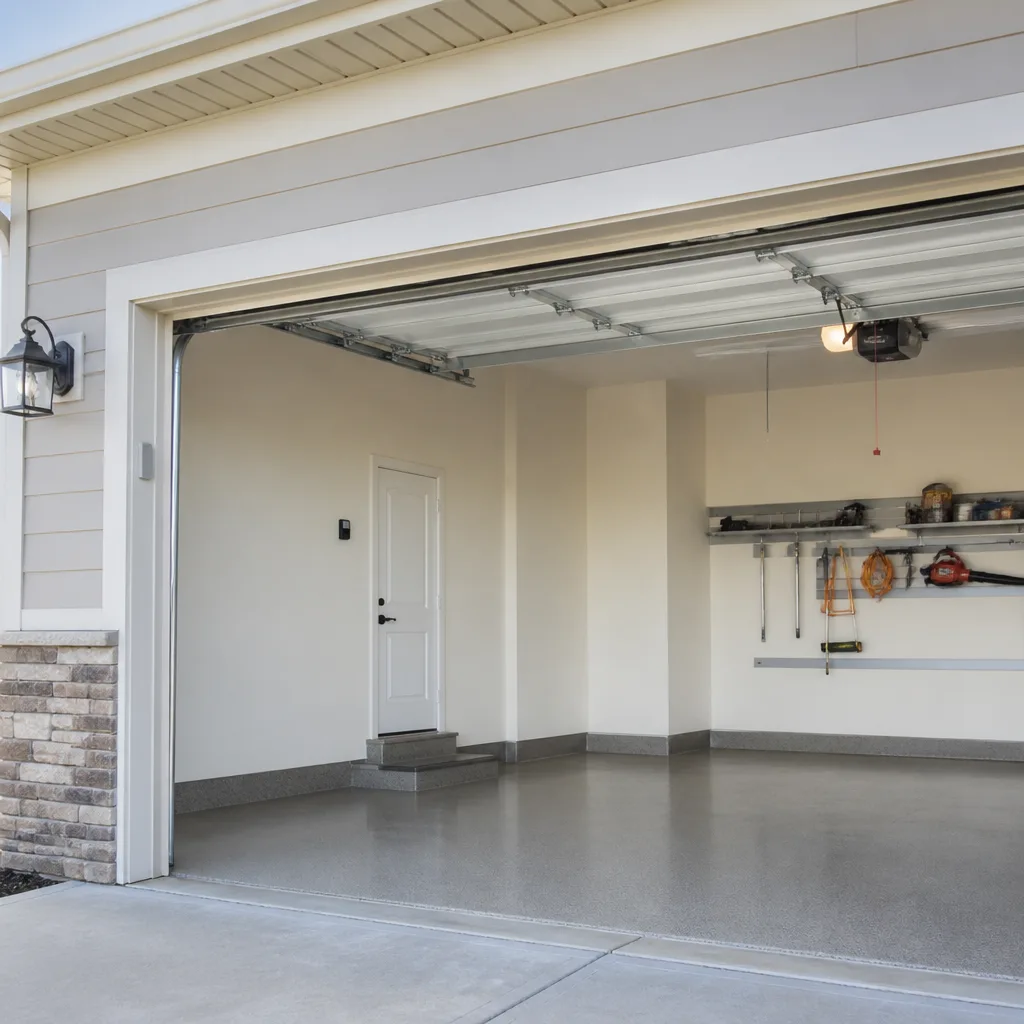 LiftMaster openers
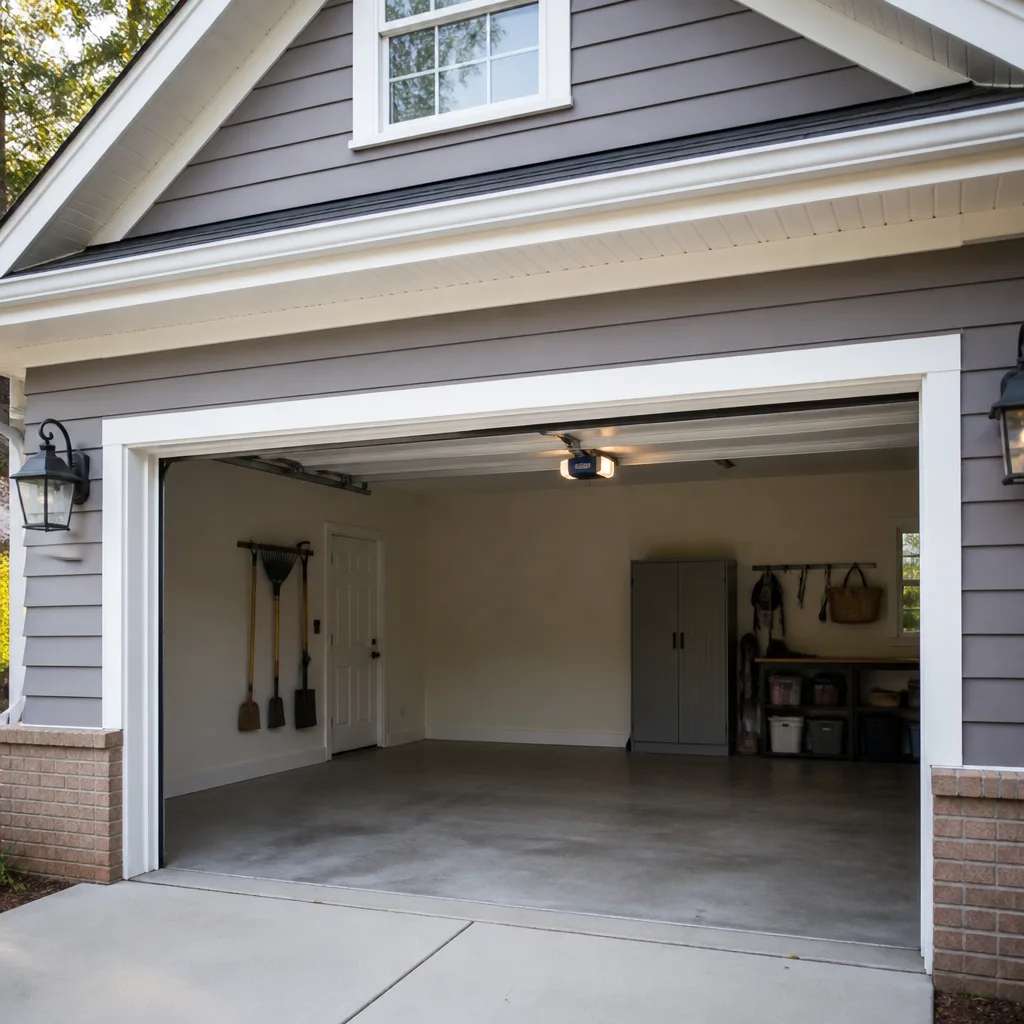 Chamberlain openers
Full 25-point door and opener safety check with every visit - springs, cables, rollers, tracks, and your LiftMaster or Chamberlain opener included
You get a price before we start. It does not change when the pro arrives.
Get your free estimateGarage Door Emergency Preparedness Guide for Georgetown Homes
Most Georgetown homeowners think a garage door emergency means a snapped spring. In our experience, the calls that hurt the most come from a quieter problem: a power outage, a door that won’t budge, and a car locked inside for hours because nobody knew the opener had a manual release. Georgetown’s narrow alleys and older brick garages make that scenario worse than it sounds. A single stuck door can block the only way a car gets out. This guide covers the two situations most preparedness lists skip: snowstorm outages that strand a vehicle and spring failures that freeze a door mid-cycle. You’ll learn how to release a door by hand, how to secure one that won’t close, and what to keep on hand before anything goes wrong.
Quick Answer
A garage door emergency in Georgetown usually comes down to two things: getting the door open by hand when the power is out, and staying safe when a spring or cable fails. Every opener has a manual release cord you pull to disconnect the door from the motor, and it lets you lift the door yourself. If a torsion spring has broken, don’t force the door up or down. Secure it, keep people clear, and call for service. We answer 24/7 at (877) 676-2031, with fast dispatch from 7am to 7pm, Sunday through Friday.
Styles & brands we work with
- Raised-panel steel
- Carriage house
- Modern flush
- Full-view glass
- LiftMaster openers
- Chamberlain openers
Table of Contents
- How to open a garage door by hand during a power outage
- What to do when a torsion spring breaks while the door is closed
- How to secure a door that won’t fully close
- Why alley garages in Georgetown need a second exit plan
- The ten-minute garage door emergency kit
- Snow, ice, and winter power outages in Georgetown
- Common mistakes to avoid
- When to call a professional
How to Open a Garage Door by Hand During a Power Outage
When the power goes out, your opener doesn’t fail. It just stops. The door itself is still fully functional, and the manual release lets you take over. Knowing where that cord is and how it moves is the single most useful piece of garage knowledge a Georgetown homeowner can have.
Here’s the sequence. Read it once now, while the power is on, so you’re not learning it in the dark.
- Locate the release cord. It hangs from the trolley, the carriage that slides along the rail above the door. It’s usually a red handle on a short rope.
- Make sure the door is fully closed first. Pulling the release with the door partway up can let it slam down. If the door is open, lower it by hand before you disconnect.
- Pull the cord down and toward the door. You’ll hear a click as the trolley disengages from the carriage. The door is now free of the motor.
- Lift the door slowly and evenly with both hands, using the bottom section. On a working door, the springs should make it feel light, maybe twenty or thirty pounds of effort.
- Prop or secure it open if you’re leaving it up. Don’t trust a disengaged door to stay put on its own in a windy alley.
- Reconnect when power returns. Push the trolley back toward the opener, then run the door up and down once to reset the travel limits.
If lifting the door takes real force, stop. A door that feels heavy by hand usually has a spring that’s already failing. That’s a job for a technician, not a workout. Our garage door repair team handles those calls across Georgetown every week.
One note for smart openers. If you run a LiftMaster with myQ or a Chamberlain unit, the app won’t help during an outage, but the manual release works exactly the same. The technology changes the remote, not the mechanics.
What to Do When a Torsion Spring Breaks While the Door Is Closed
A broken torsion spring announces itself with a sound like a gunshot. Then the door won’t lift, or it lifts a few inches and drops. The door is closed, the car is inside, and you need to know whether to force it. The answer is no. A door with a failed torsion spring is carrying the full weight of the panels on a broken mechanism, and it can come down hard.
Here’s what to do instead:
- Leave the door down. Don’t yank it, don’t try the opener again, and don’t ask a neighbor to help lift it.
- Clear the area. Keep kids and pets away from the door and the tracks. The cables on a door with a broken spring can snap loose.
- Check whether you have a second way out. If the garage door is your only exit for the car, plan the day around the repair rather than improvising.
- Call for spring service. Torsion and extension spring replacement is a dedicated service for us, not a side job. We work on whatever spring and hardware is already on your door.
Spring work is genuinely dangerous. The torsion spring above your door is under hundreds of pounds of tension, and releasing it wrong can cause serious injury. We say this plainly because we’ve seen homeowners try. If you’re wondering whether you can swap a spring yourself, this is the one repair where the honest answer is to leave it to a technician.
Can a door with a broken spring be opened at all? Sometimes, with two people, if the door is a light single-car model and you lift from the bottom with steady force. But for most Georgetown doors, and especially double doors, the safe move is to keep it closed and get it fixed. If you need a full replacement rather than a repair, our garage door installation service measures first and orders the right panels and springs for your opening.
How to Secure a Door That Won’t Fully Close
A door that won’t close is a weather problem and a security problem at the same time. Georgetown’s freeze-and-thaw winters push water into a gap, and an open garage is an open door to the house. After a cable or spring failure, you need a temporary measure that holds the door shut without making the damage worse.
What works as a short-term fix:
- Lower the door as far as it goes by hand and stop when you feel resistance. Never force it past a bind.
- Block the bottom section with something solid placed on the inside, low and centered, so the door can’t be pushed up from outside.
- Lock the tracks if the door has manual slide locks. Many older Georgetown doors have them on the vertical tracks. Slide them into the roller gap.
- Use a brace across the inside of the bottom panel if there’s room, so the door doesn’t flex inward.
- Note the gap and plan the repair. A door held this way is secure enough for a day, not for a season.
What not to do: don’t drill into the door panels, don’t tie the door to a track with rope under tension, and don’t leave the opener engaged while the door is propped. Disengage the trolley first so the motor doesn’t fight your brace. If a cable has come off a drum, don’t touch it. Cables are under load and can cut a hand badly.
For a door that’s off its track or sagging, our team can diagnose it same day in most cases. The repair isn’t only about closing the door. It’s about keeping the weather and the neighborhood out until it’s fixed right.
Why Alley Garages in Georgetown Need a Second Exit Plan
Georgetown has a lot of homes where the garage opens onto a narrow service alley, and the car can only leave that one way. When the door fails, the vehicle is trapped, and if the alley is too tight to open a door panel fully, you can’t squeeze out either. That’s the scenario most preparedness lists ignore, and it’s the one that matters most here.
A real exit plan starts with the manual release hardware. If your release cord is tangled in a bicycle or buried behind a shelving unit, it’s not a plan. Here’s how to build one:
- Keep the release cord clear and reachable from the driver’s side, with nothing hung on it.
- Check that the release cord is long enough to reach at shoulder height, not so short you need a ladder.
- Add a side door or walk-through opening if your garage has one. If not, know which neighbor’s gate or passage you can use.
- Keep a manual key or code for the front entry so a trapped driver can still get inside the house.
- Store a flashlight and a spare key near the release cord, not in a drawer across the garage.
The alley layout also makes odd-numbered or close-set doors more prone to track damage when a door is forced. A door that binds against a neighboring wall or a fence post can jump a track instead of opening. If your alley is tight, have a technician check the track clearance and roller alignment once. Our Georgetown Garage Door Repair Pros team sees these narrow-clearance setups often and can suggest adjustments that keep the door running true.
The Ten-Minute Garage Door Emergency Kit
You don’t need a shelf full of gear. A small bin that lives on the garage wall does more than any app. Here’s what we recommend keeping together, and why each item earns its place.
- Spare opener remote batteries. A dead remote looks exactly like a dead opener, and the fix is usually a battery. Match the type to your brand; LiftMaster and Chamberlain remotes often take a coin cell.
- A can of garage door lubricant. Not WD-40. A proper white lithium or silicone spray on the rollers, hinges, and springs quiets a door and stops small problems from turning into stuck ones.
- Zip ties and a small roll of tape. Useful for bundling a loose cable out of the way, securing a release cord, or holding a brace in place.
- A flashlight with fresh batteries. The garage gets dark fast when the power is out.
- Our number, written down. Apps fail, phones die, and a sticky note on the wall still works. That’s (877) 676-2031.
- A manual release reminder card. A short note taped near the trolley that shows the pull direction. In a panic, a picture beats memory.
- A pair of work gloves. Springs, cables, and sharp track edges are hard on bare hands.
Assembly takes about ten minutes. Check the kit once a year, swap the batteries, and confirm the lubricant still sprays. That’s the whole maintenance routine for the kit itself.
Snow, Ice, and Winter Power Outages in Georgetown
Georgetown winters bring the kind of ice storms that take down branches and knock out power for blocks at a time. When the power goes, the opener stops and the manual release becomes the only way in or out. That’s why the release cord matters more here than in most places.
Beyond the release, winter stress shows up in a few predictable ways. A door that binds in cold weather usually has a lubrication problem or a track that’s shifted with the freeze. Ice at the bottom seal can freeze the door to the slab, and forcing it with the opener strips the gear or burns out the motor. If the door is stuck to the ground, free it by hand before you run the opener. A push of the button on a frozen door is the most common way we see opener failures start.
Snow and ice also test the balance of a door. A spring that’s near the end of its life runs fine in mild weather and fails on the first cold morning. If your door feels heavier than it used to, or opens unevenly, have it checked before the next storm. Our garage door opener repair service covers both older units and smart systems like LiftMaster myQ and Genie Aladdin Connect, so a power outage or a dead motor doesn’t leave you stranded.
One practical habit for Georgetown: when a storm warning is issued, park so the car can leave without the garage door opening, if the alley allows. It’s the cheapest backup plan there is.
Common Mistakes to Avoid
- Forcing a door with a broken spring. Lifting hard on a door whose torsion spring has failed can bring the whole panel down and cause serious injury. Keep it closed and call for spring service.
- Running the opener on a frozen or bound door. In a Georgetown cold snap, a door stuck to the slab or jammed in the track will strip the opener’s gear if you keep pressing the button. Free it by hand first.
- Pulling the manual release with the door partway up. The door will drop under its own weight. Always lower it fully before you disengage the trolley.
- Ignoring a door that lifts unevenly. A door that jerks or sags on one side is telling you a spring or cable is failing. Waiting until it snaps turns a repair into an emergency.
- Hanging things on the release cord. In a narrow alley garage, a cord loaded with a bike lock or strap can’t be pulled when you need it. Keep it clear.
- Using the wrong lubricant. Grease and standard WD-40 attract grit and gum up the rollers. Use a proper garage door lubricant on the moving parts.
- Securing a broken door with tape alone. Tape doesn’t hold a door against a determined push. Use a solid brace and slide locks, then get it repaired.
See the difference
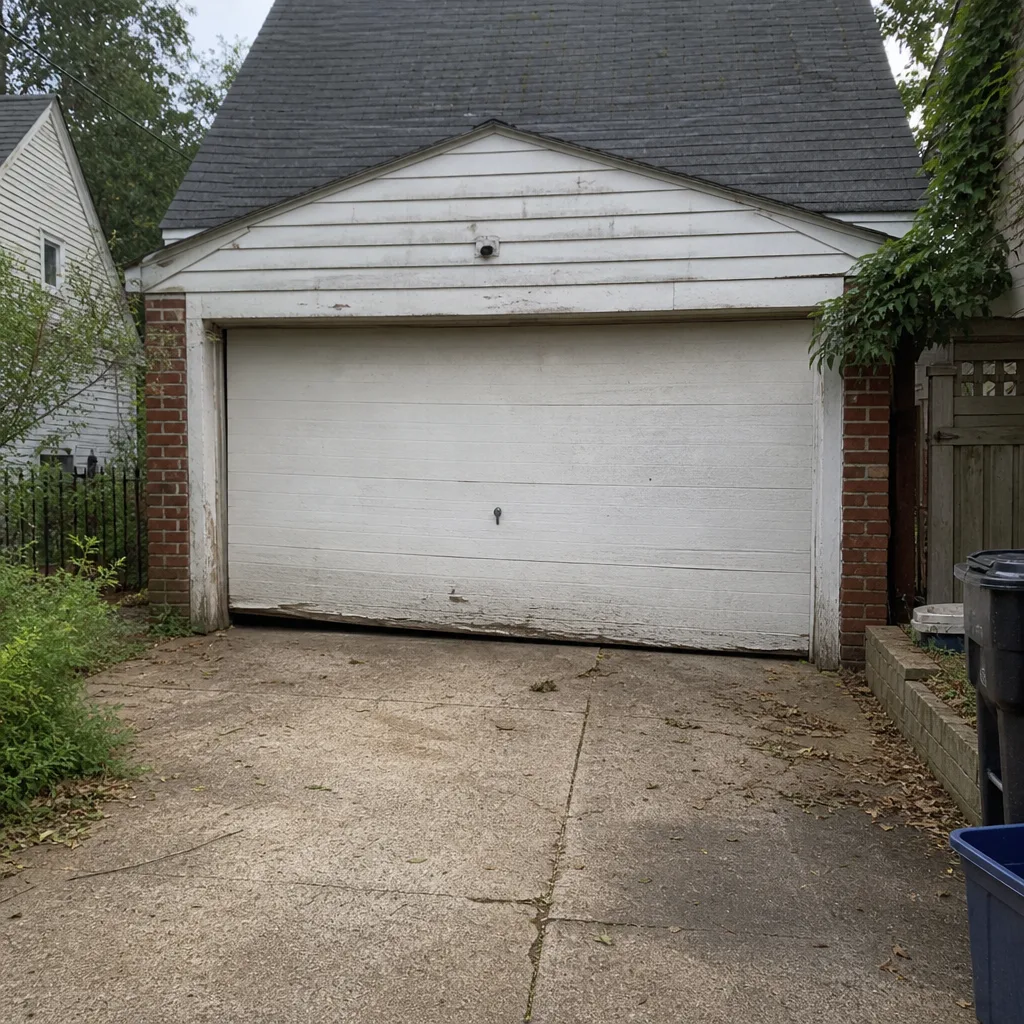 Before
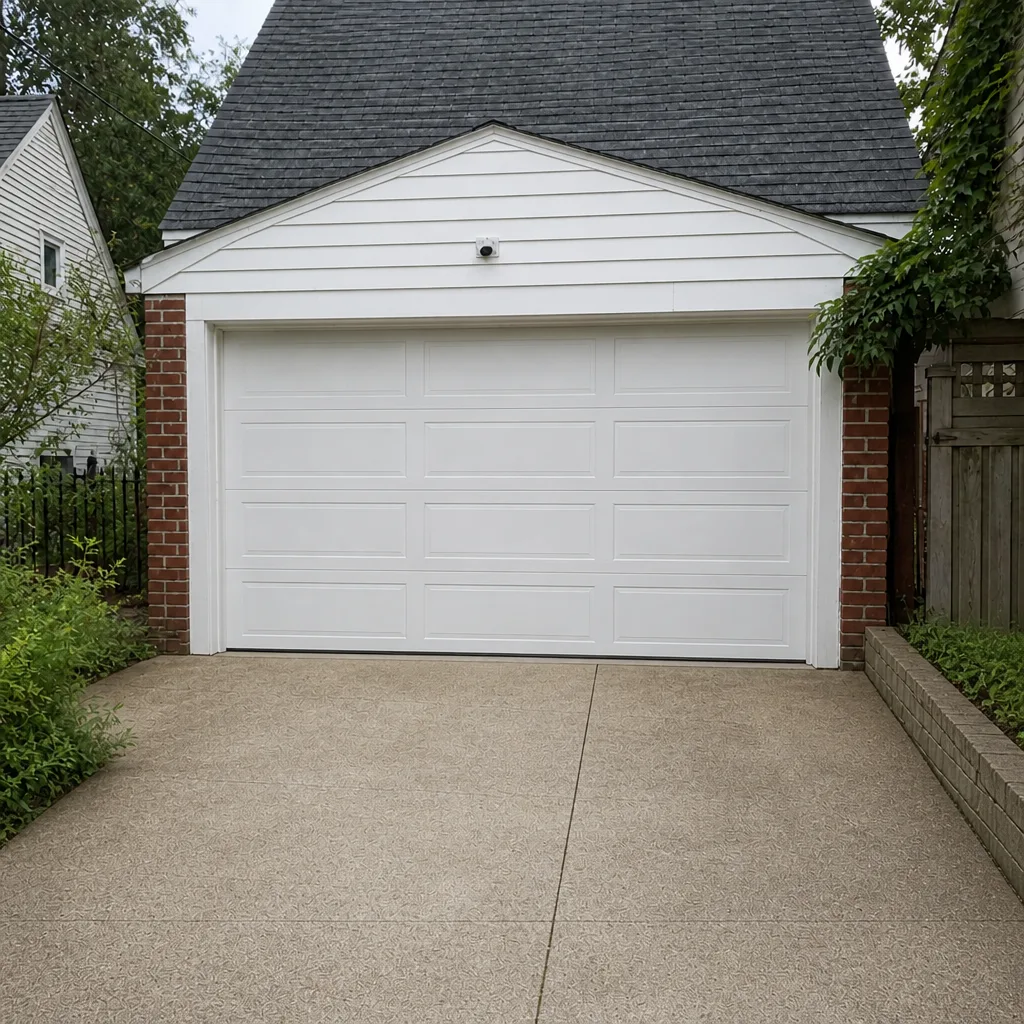 After
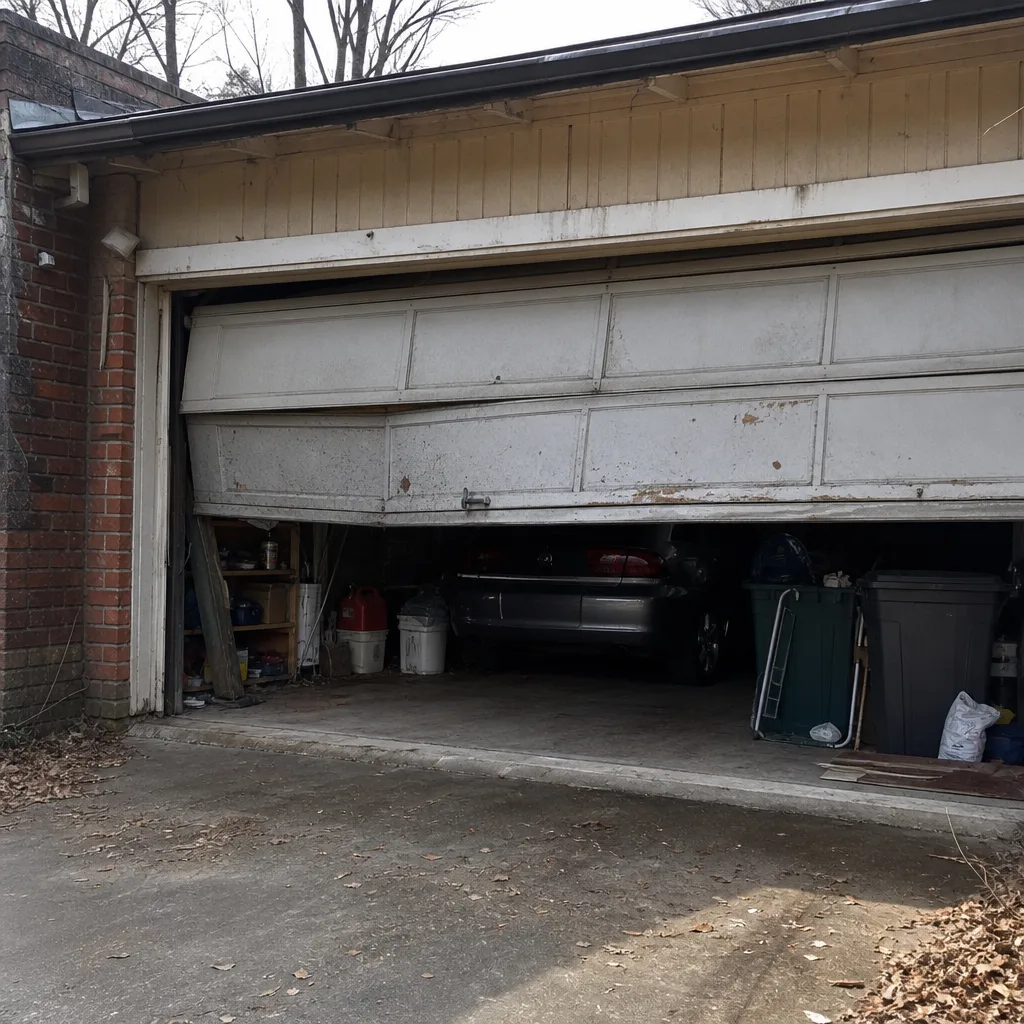 Before
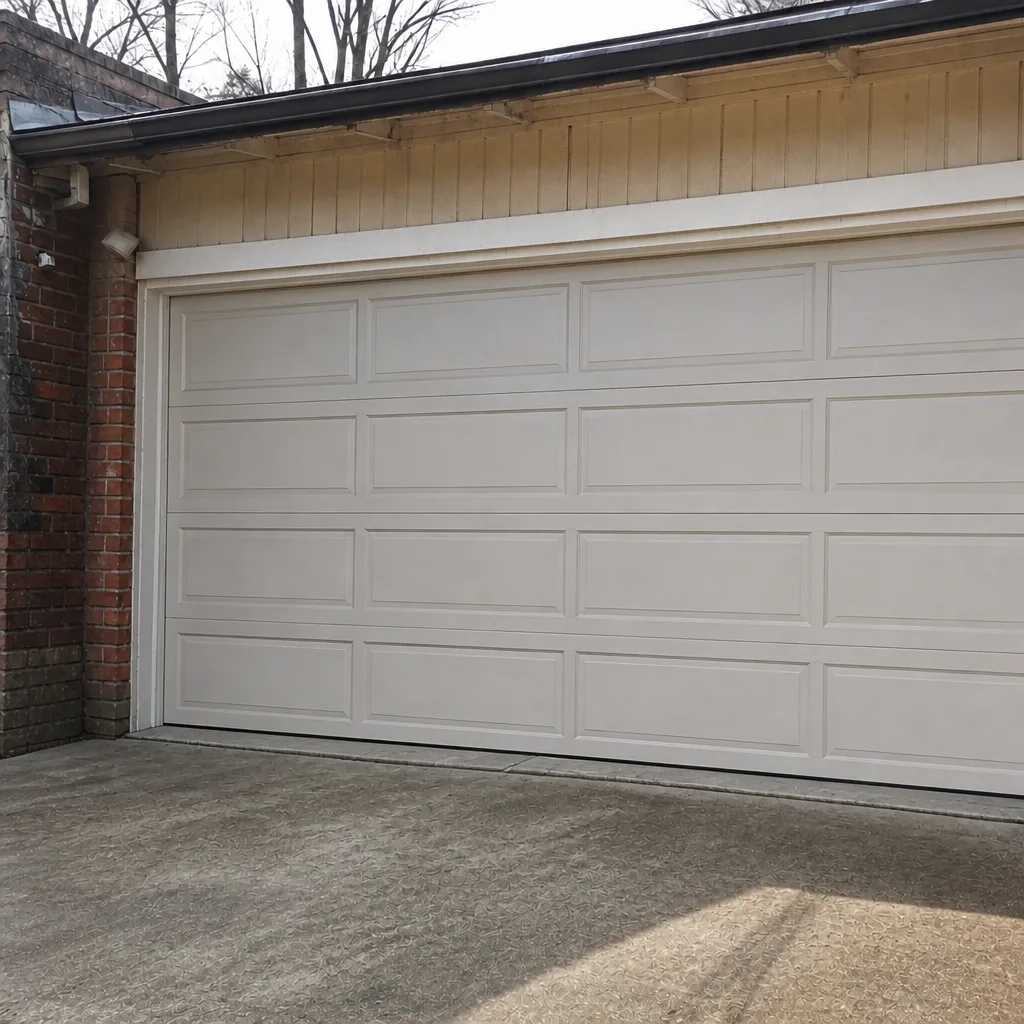 After
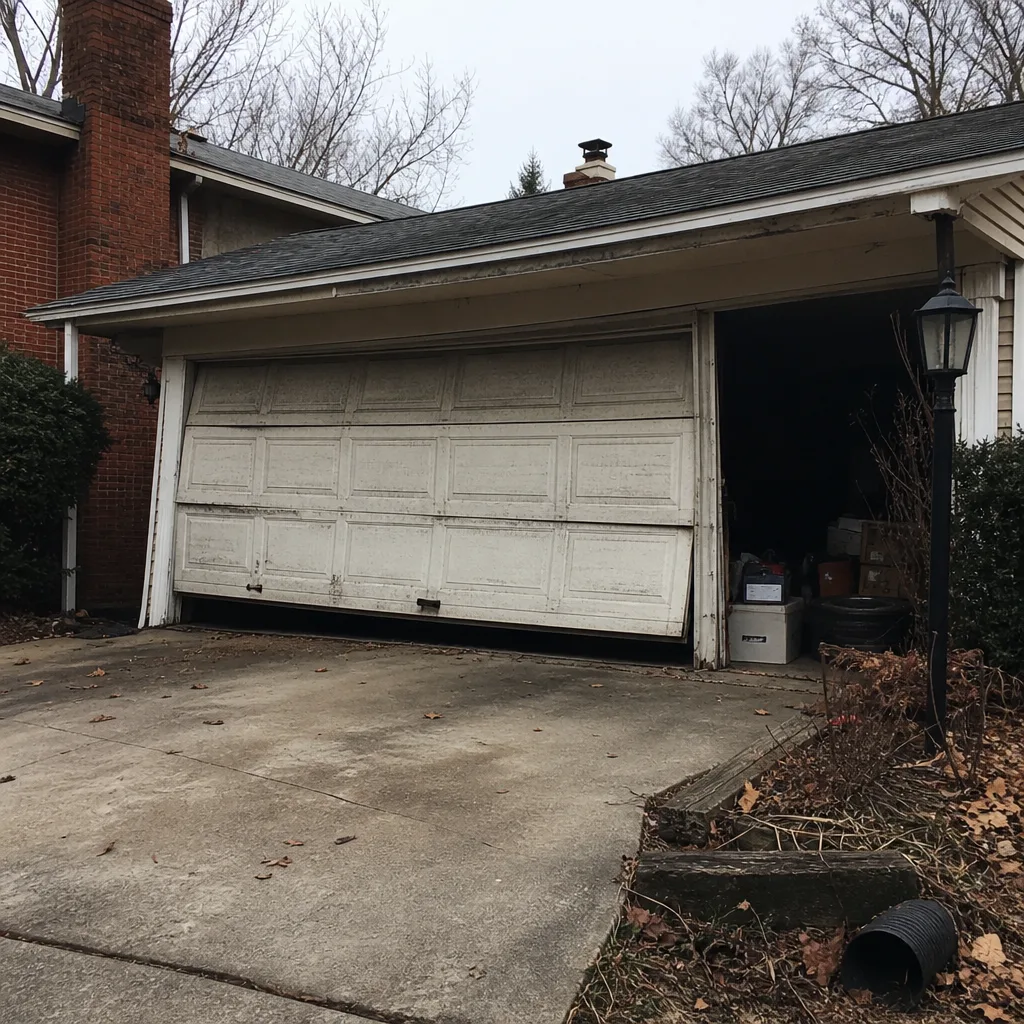 Before
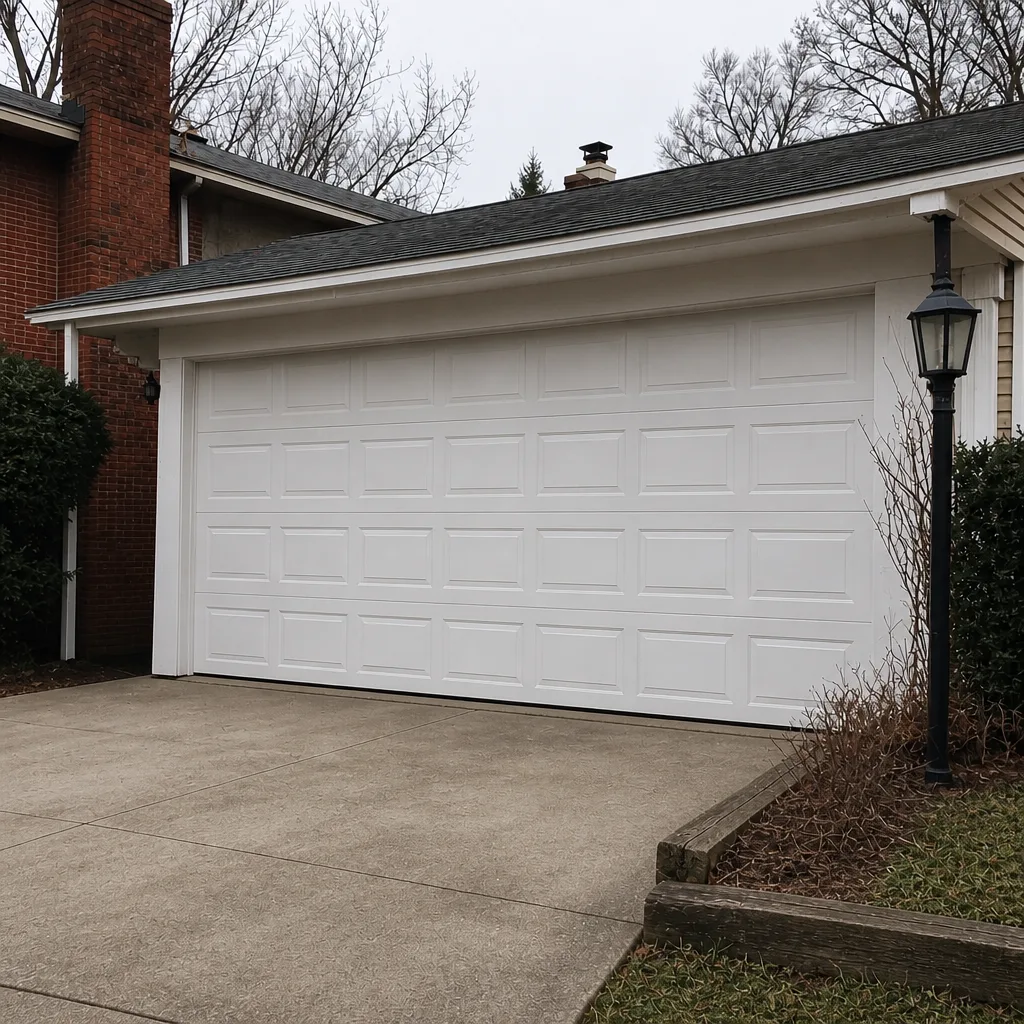 After
When to Call a Professional
Some situations are emergencies, and some can wait for a scheduled visit. A failed torsion or extension spring, a cable off its drum, a door off its track, or a door that won’t close and leaves the house unsecured all call for same-day attention. If the car is trapped or the door is hanging, don’t wait. We offer emergency garage door service for exactly these situations, and we work on the brands already on your door, whether that’s Raynor, LiftMaster, Chamberlain, or Genie. Our technicians have up to 10 years of experience, and we quote the price before any work starts, so there are no surprises on the invoice. Georgetown Garage Door Repair Pros offers free estimates in Georgetown. Call (877) 676-2031. We answer 24/7, with fast dispatch from 7am to 7pm, Sunday through Friday.
Frequently Asked Questions
Pull the manual release cord that hangs from the trolley on the overhead rail, then lift the door by hand. Make sure the door is fully closed before you pull the cord, and lift slowly with both hands. If the door feels heavy, stop and call a technician.
It’s not safe to force one, especially on a double door. A door with a broken torsion spring is carrying its full weight on a failed mechanism and can come down hard. Keep it closed, clear the area, and call for spring repair. Call (877) 676-2031 for a free estimate.
Disengage the opener, lower the door by hand until you feel resistance, and brace the bottom section from the inside. Use slide locks on the tracks if your door has them. Don’t force it past a bind, and schedule a repair rather than leaving it propped.
No. We set the price per job with a written estimate before any work starts, and you agree to it first. There’s no premium for same-day or urgent work, and the estimate is free. Call (877) 676-2031 for an exact quote.
We work on LiftMaster, Chamberlain, Genie, Clopay, Amarr, Wayne Dalton, Craftsman, and Raynor, so there’s no “we don’t work on that brand” dead end. That covers both traditional openers and smart systems like LiftMaster myQ and Genie Aladdin Connect.
Same-day service is available for urgent situations like failed springs, doors off their tracks, and doors that won’t close. Call (877) 676-2031. We answer 24/7, with fast dispatch from 7am to 7pm, Sunday through Friday.
The Bottom Line
Garage door emergencies in Georgetown come down to preparation. Know where your manual release cord is and which way it moves. Keep the cord clear, especially in narrow alley garages. If a spring or cable fails, keep the door closed, secure it if it won’t shut, and call a trained technician rather than forcing it. A ten-minute emergency kit with spare batteries, lubricant, zip ties, a flashlight, and our number covers most of what a storm or a snap can throw at you. The goal isn’t to handle every repair yourself. It’s to stay safe and get back to normal fast.
When something goes wrong, call (877) 676-2031 for a free estimate. We answer 24/7, with fast dispatch from 7am to 7pm, Sunday through Friday. We work on your brand, whether it’s your opener, your springs, or the door itself, and the price is quoted before any work starts.
Written by the team at Georgetown Garage Door Repair Pros.